Business trip packing list: Packing systematically and crease-free
You arrive late at the hotel, your schedule for the next morning is already set – and when you open your suitcase, you realise: the shirt is creased, and the charging cable is still on your desk at home. Scenarios like these drain your energy unnecessarily before meetings. A well-thought-out packing list for your business trip provides a reliable solution here. If you tailor your luggage specifically to the duration of your trip, flight requirements and the Business dress code, you’ll travel more relaxed and maintain a confident appearance at all times.
Contents
- Choosing luggage based on the duration of your trip: which suitcase is right for you?
- Business-outfits that won’t crease in your suitcase
- The structured checklist for the ‘ Business ’ trip
- How much clothing do you need?
- Staying organised on the return journey: dirty laundry and documents
- Keep your mind free for appointments: travelling is easier when you’re well-packed
- Frequently asked questions about the packing list for business trips
The essentials at a glance
- Ideal luggage: For 1 to 3 days, a carry-on suitcase is usually sufficient. For 4 days or more, a medium-sized suitcase is recommended.
- Anti-crease tip: Lay shirts and jackets flat and secure them with a Y-shaped strap.
- Technical guidelines for 2026: Power banks must be carried exclusively in hand luggage. The standard is up to 100 Wh.
- Documents: You must always carry your A1 certificate with you when travelling on business to other EU countries.
Choosing luggage based on the duration of your trip: Which suitcase is right for you?
The duration of your trip directly determines the amount of space you’ll need. Too much storage space tempts you to overpack, whilst too little leads to creases in your Business outfit. Choosing the right type of suitcase therefore depends primarily on the number of days you’ll be travelling.
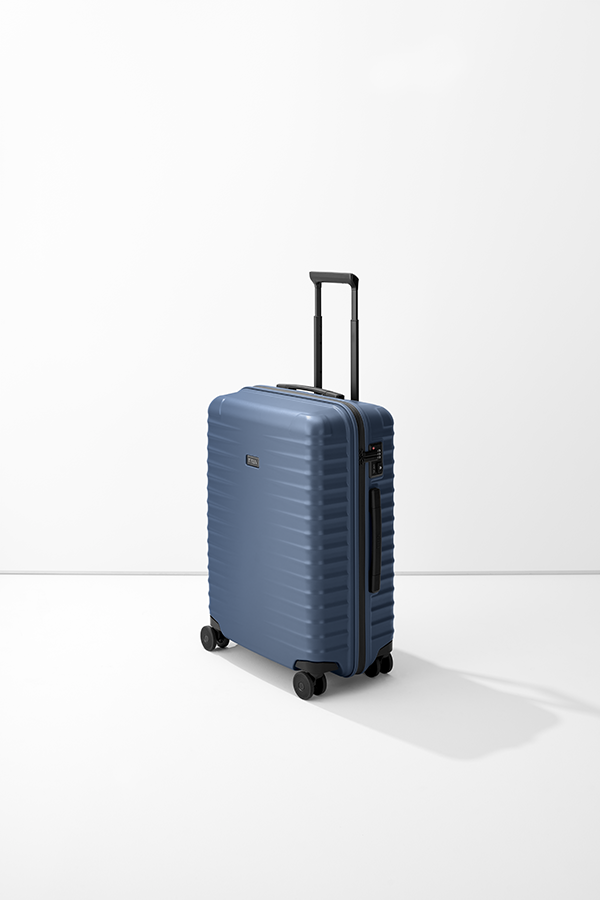
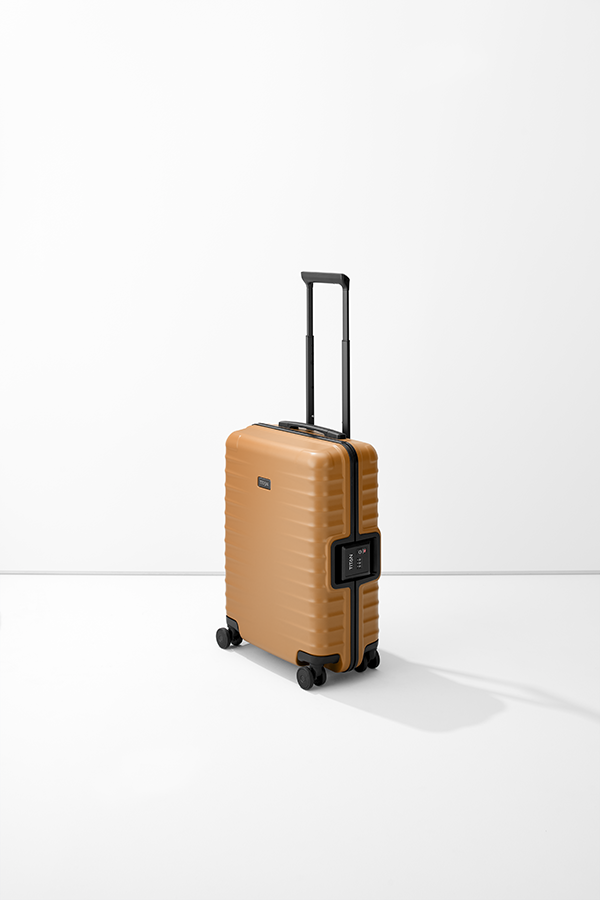
1 to 3 days: a cabin suitcase and Business Trolley in your hand luggage
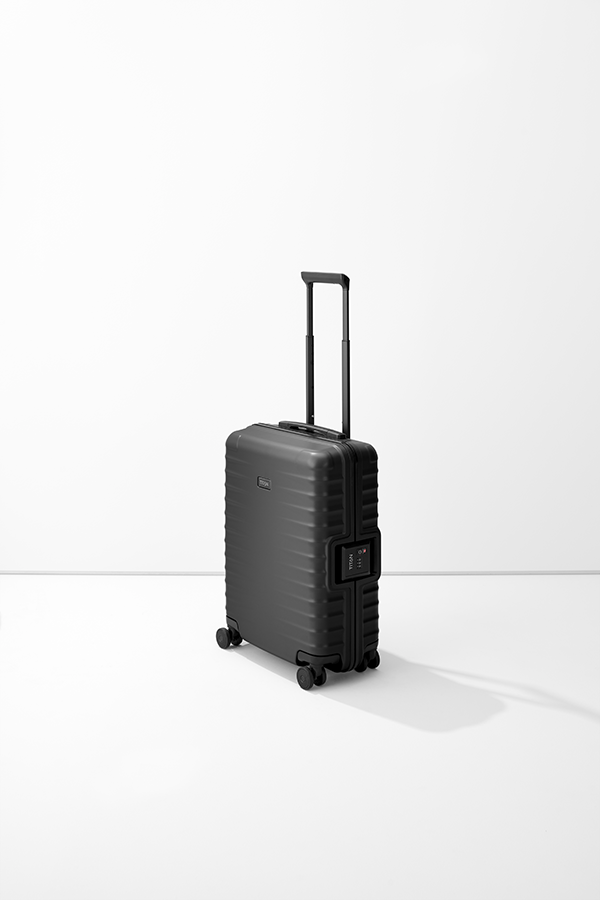
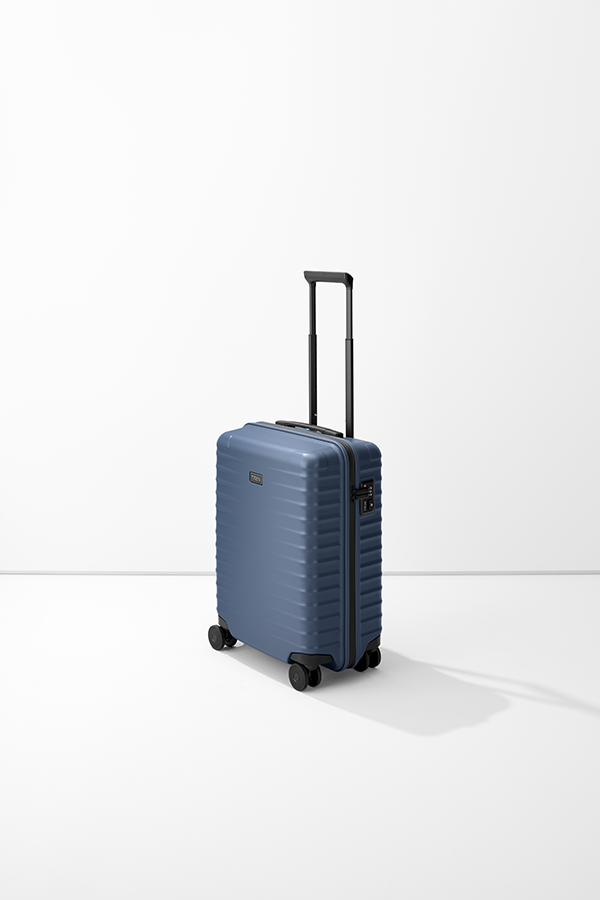
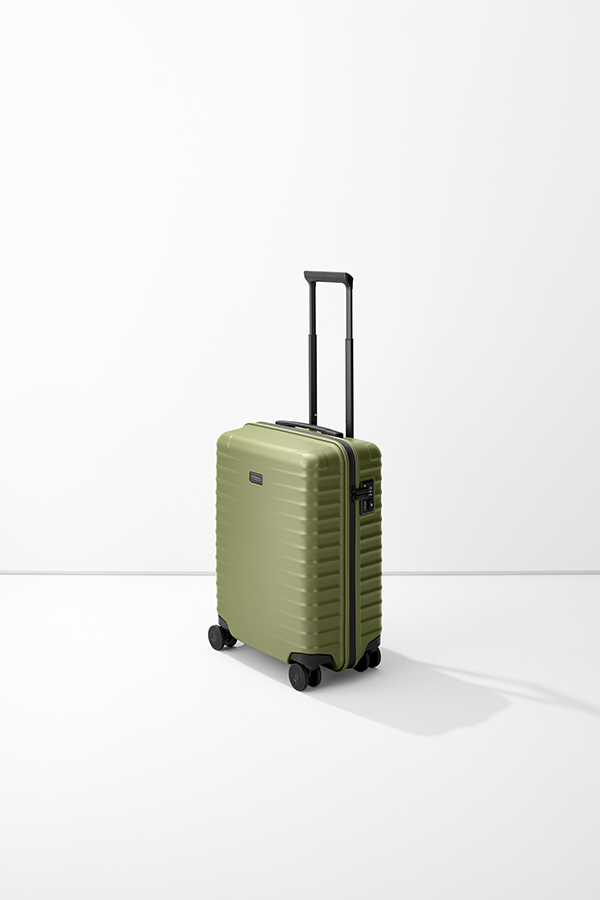
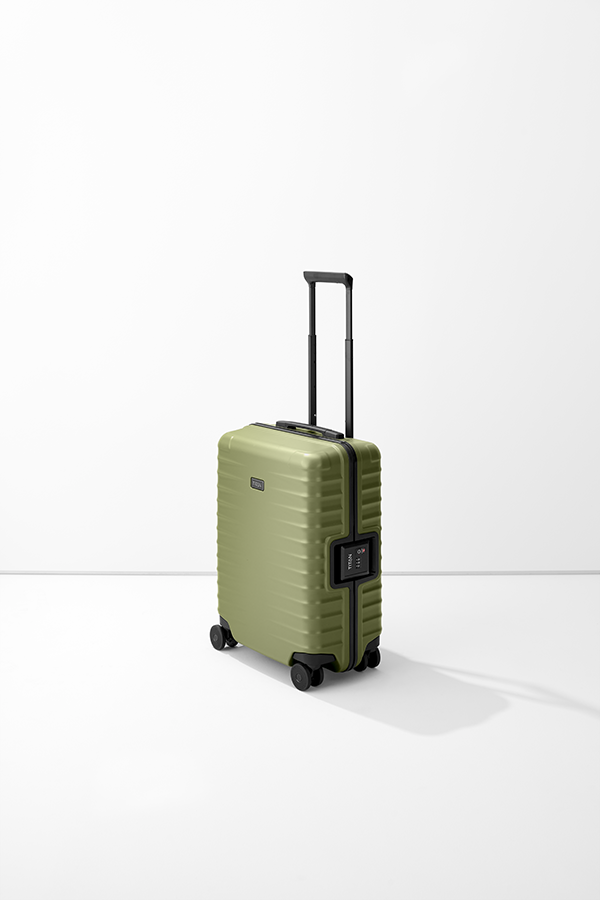
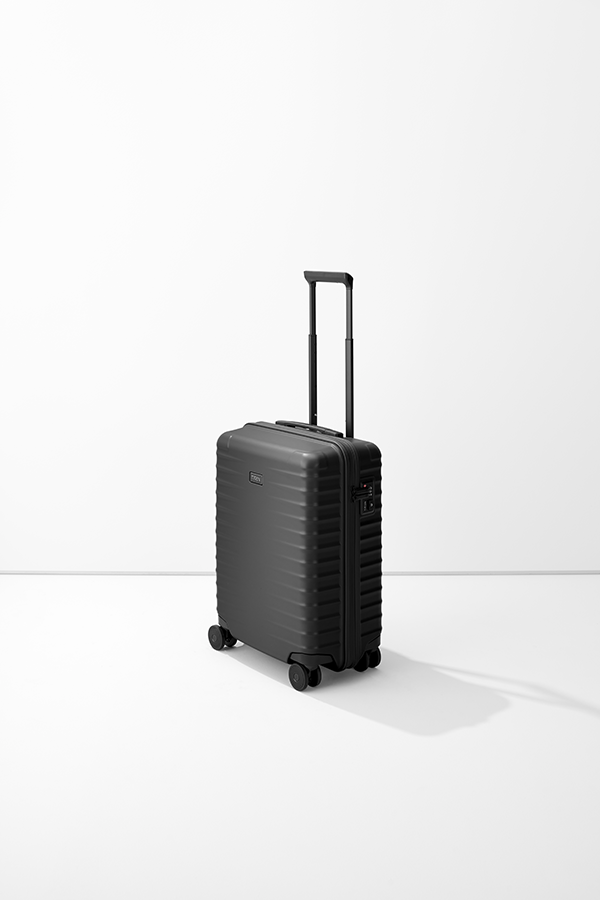
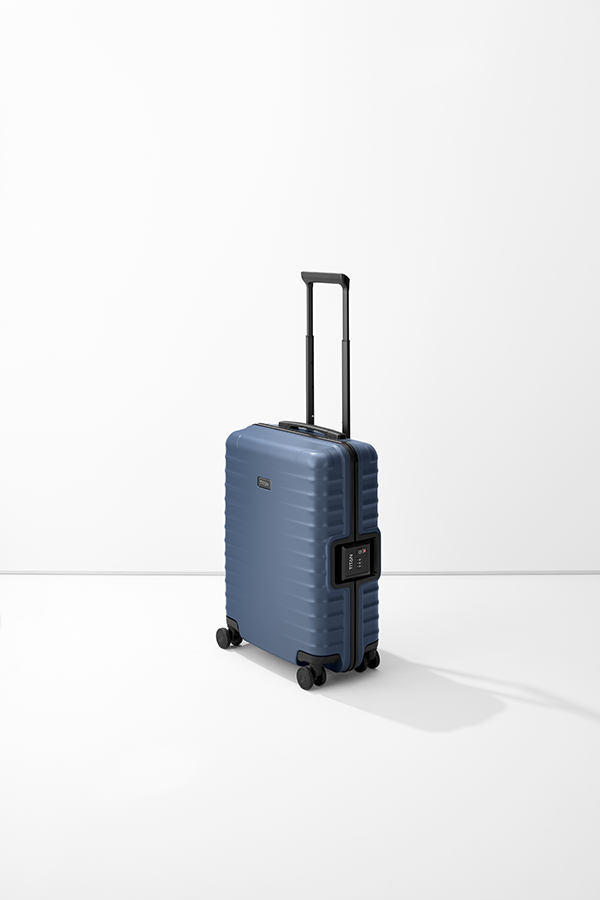
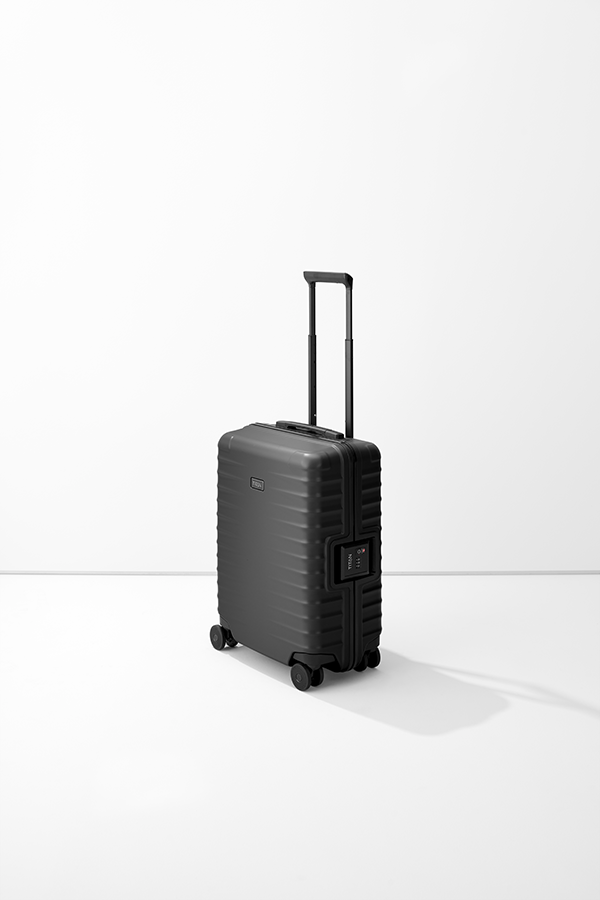
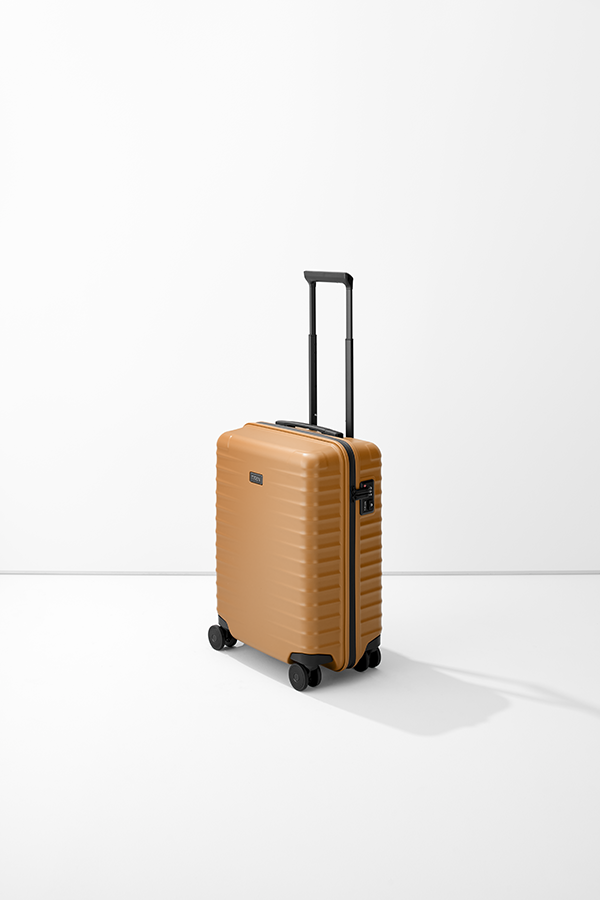
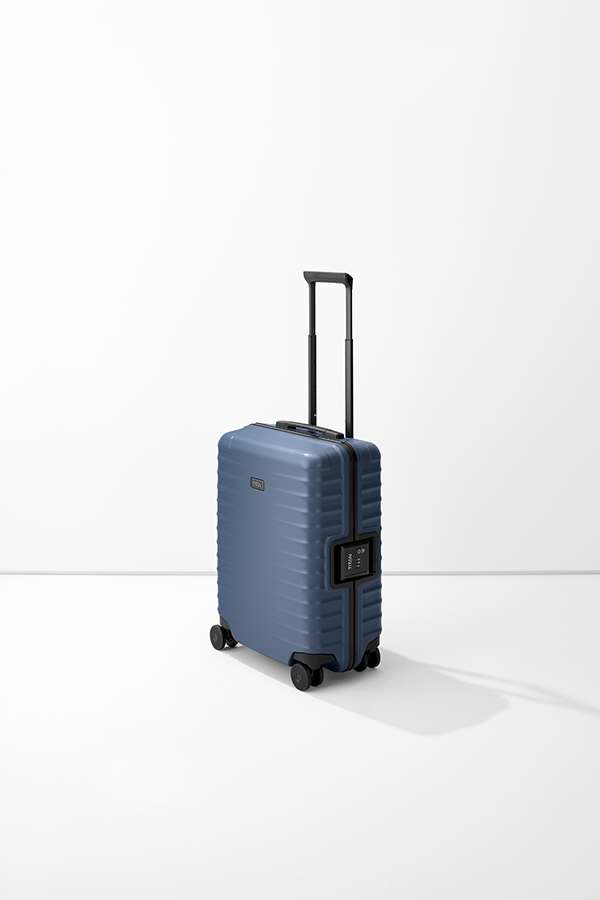
If you’re travelling for just a few days, travelling with hand luggage saves a lot of time. You can leave the airport straight away without having to wait at the baggage carousel if your hand luggage’s dimensions match the Airlines’ specifications exactly. A well-organised hand luggage case provides the necessary flexibility here.
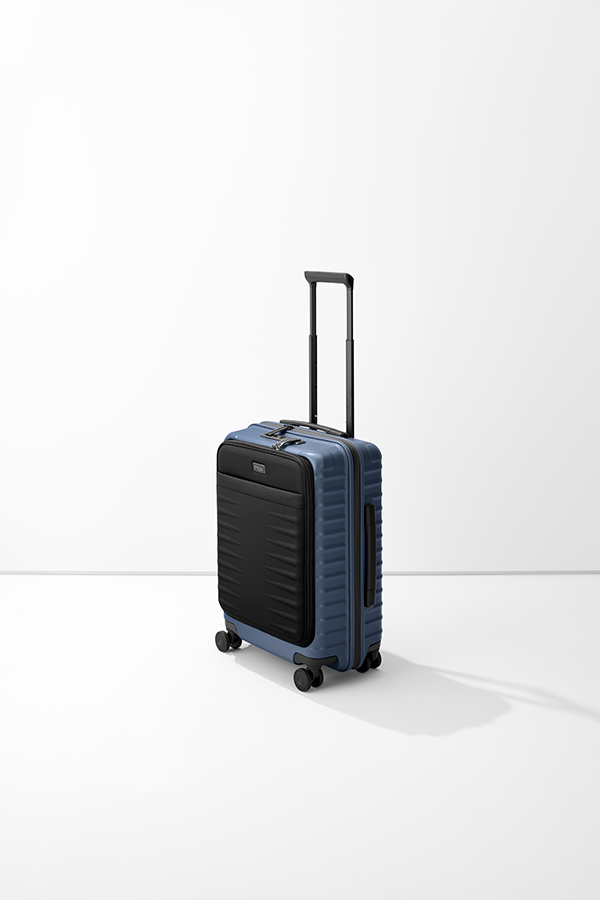
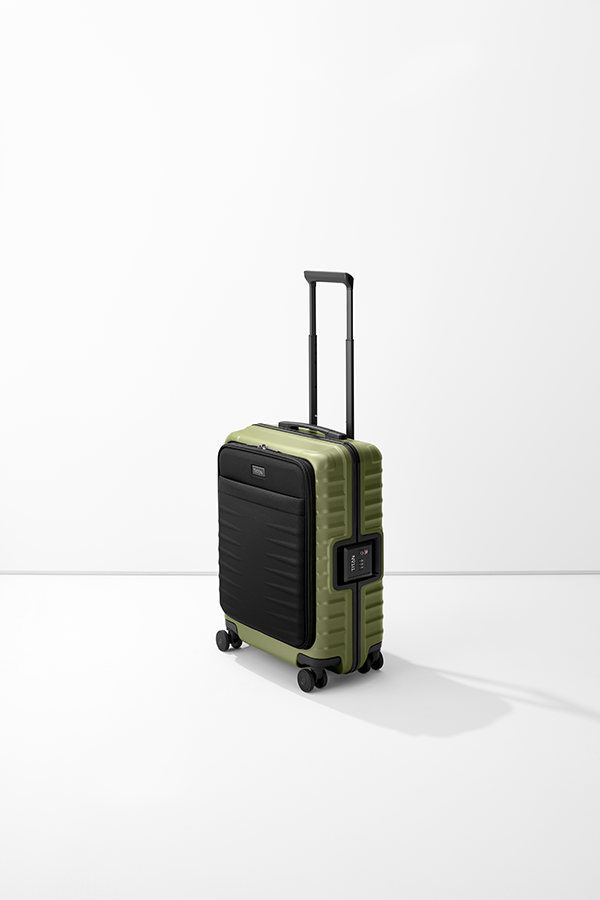
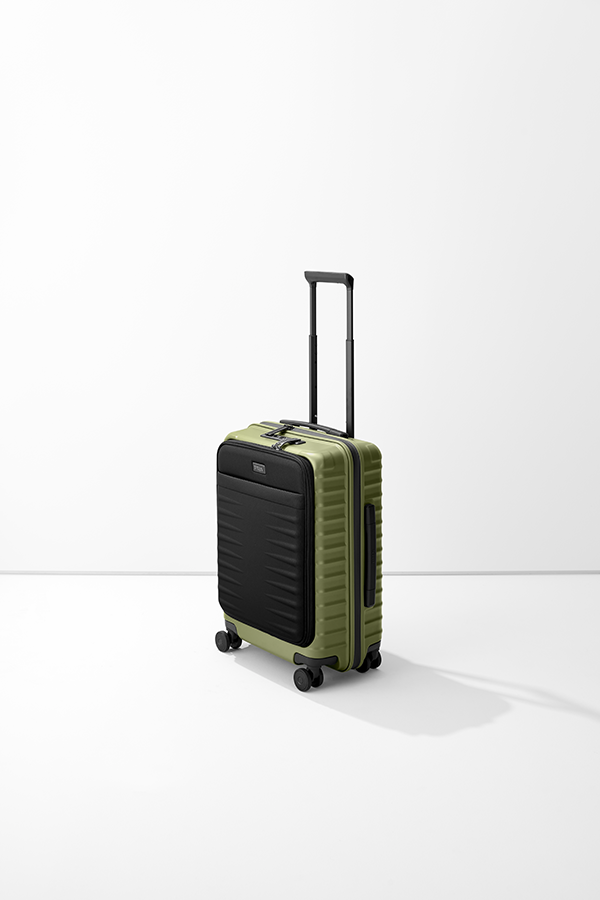
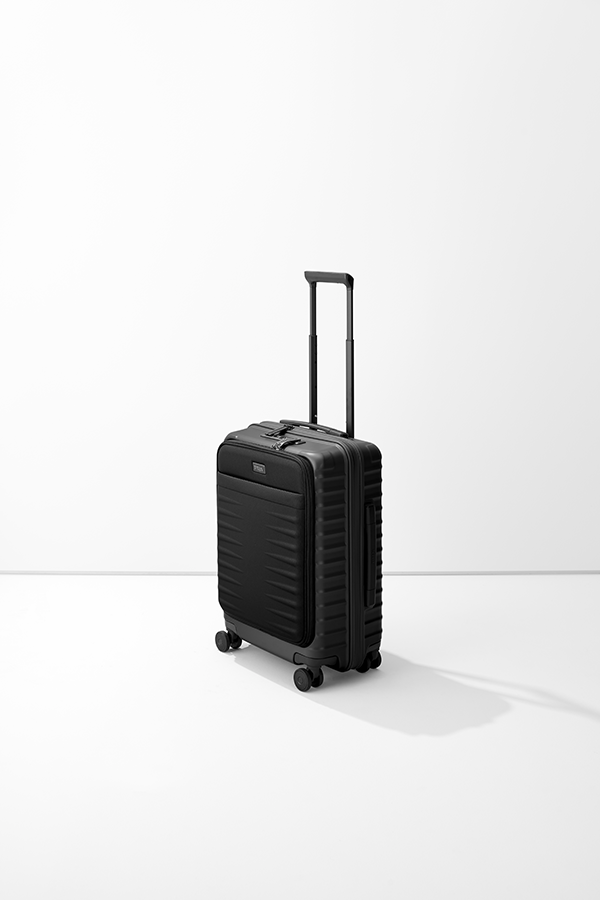
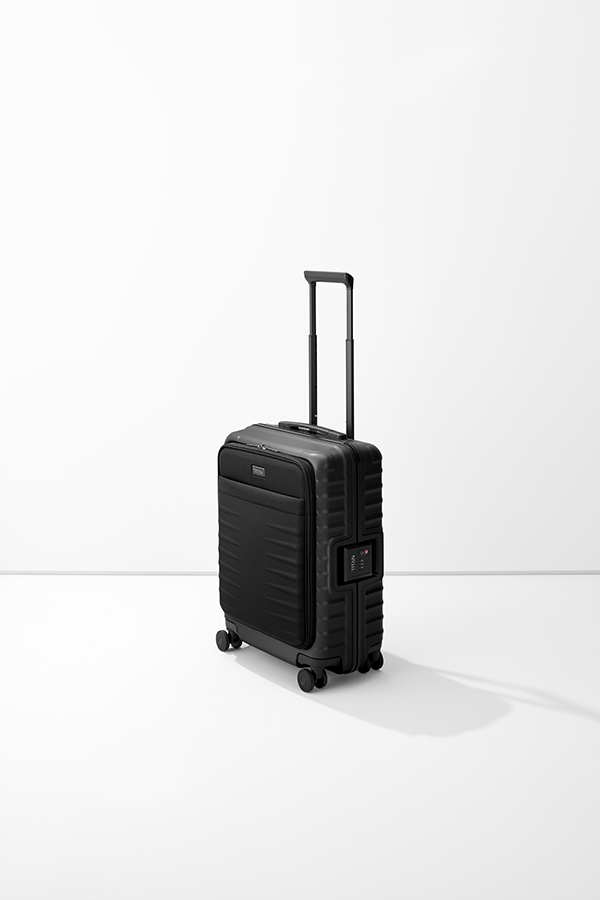
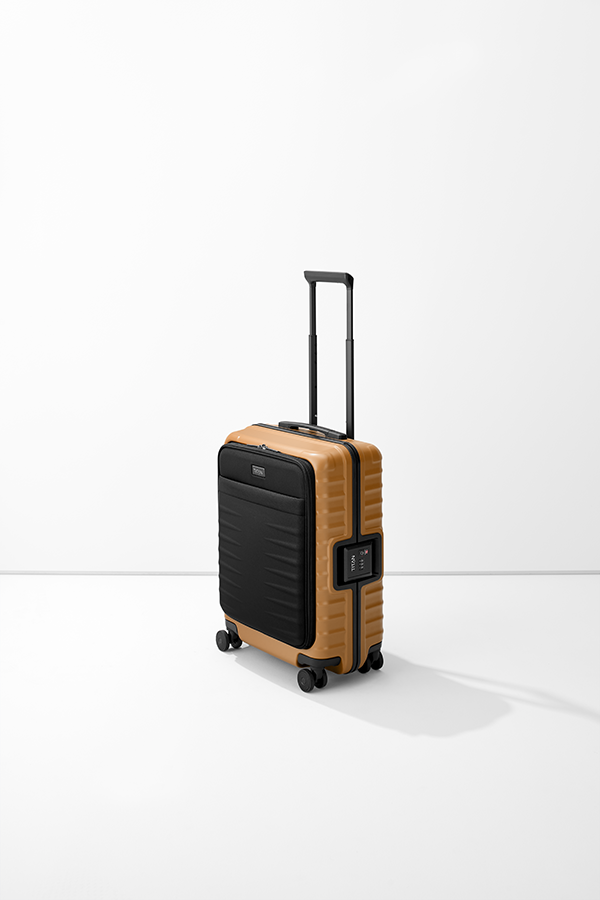
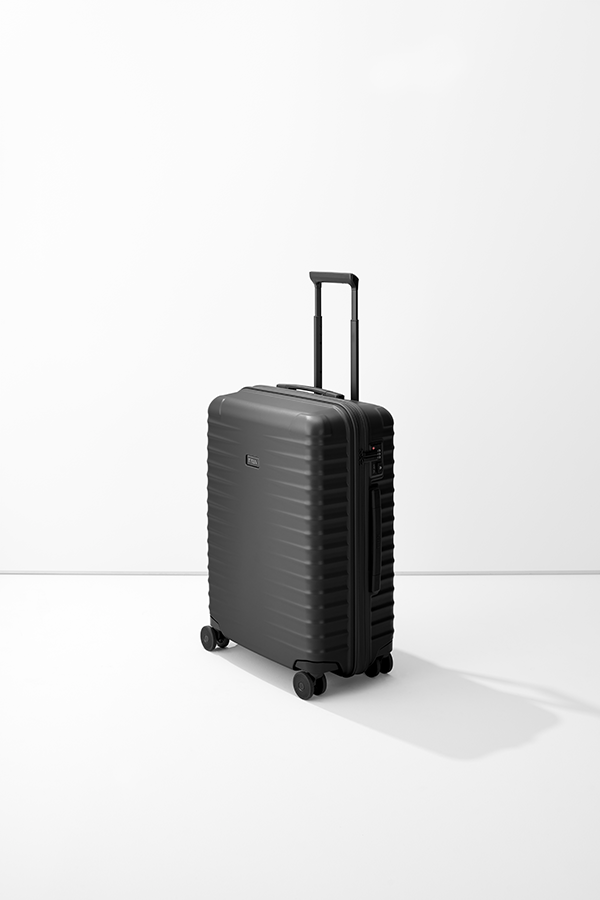
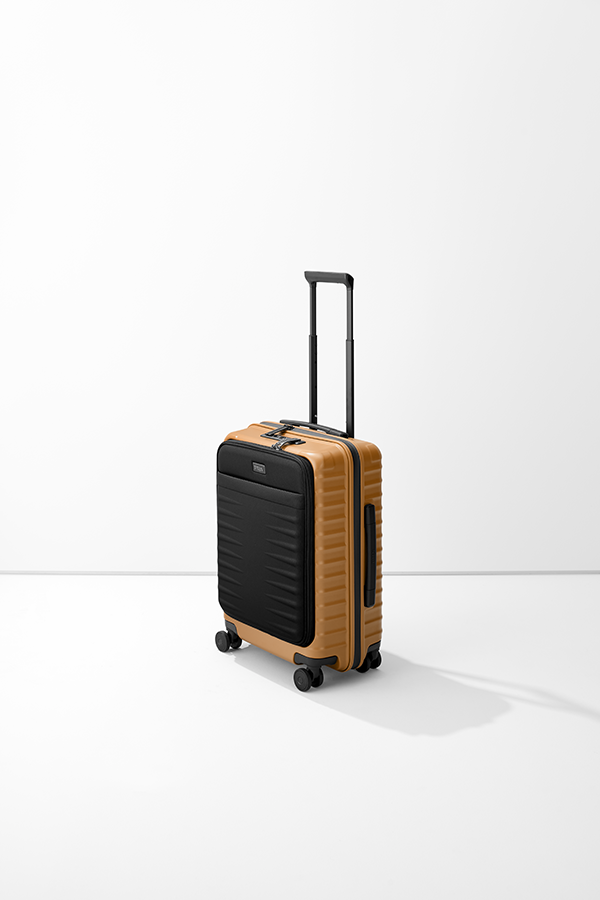
For very short trips, choose designs that allow quick access to work materials. A Business Trolley with a front pocket keeps your laptop and documents within easy reach right in the main compartment. Those who appreciate a clearly structured interior layout will find up to three additional compartments for cables, documents and accessories in the ‘ UPGRADE ’ range. The ‘ UPGRADE S20’, winner of the Stiftung Warentest test, combines agility with meticulous craftsmanship and complies with the standard hand luggage dimensions of most Airlines.
4 to 7 days: Medium-sized suitcase for longer trips
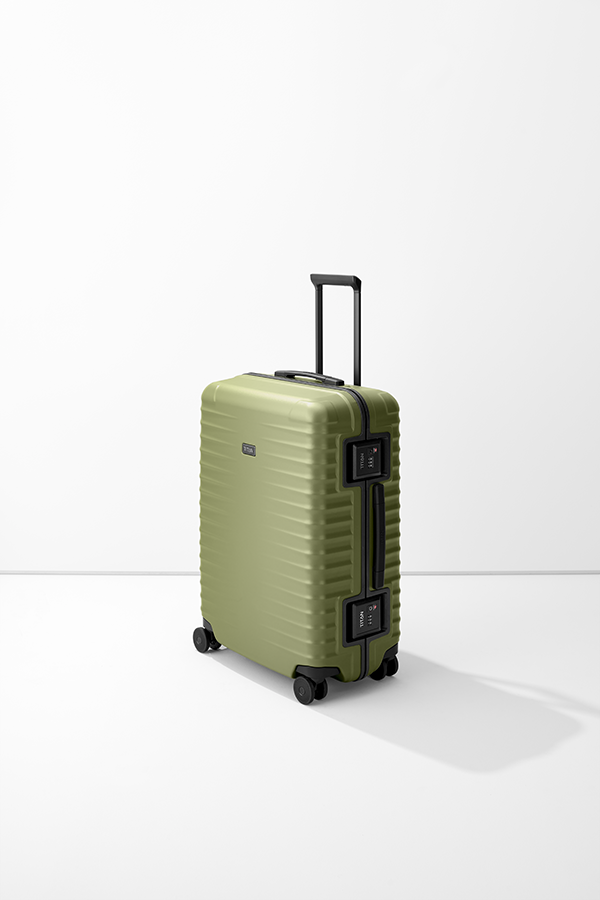
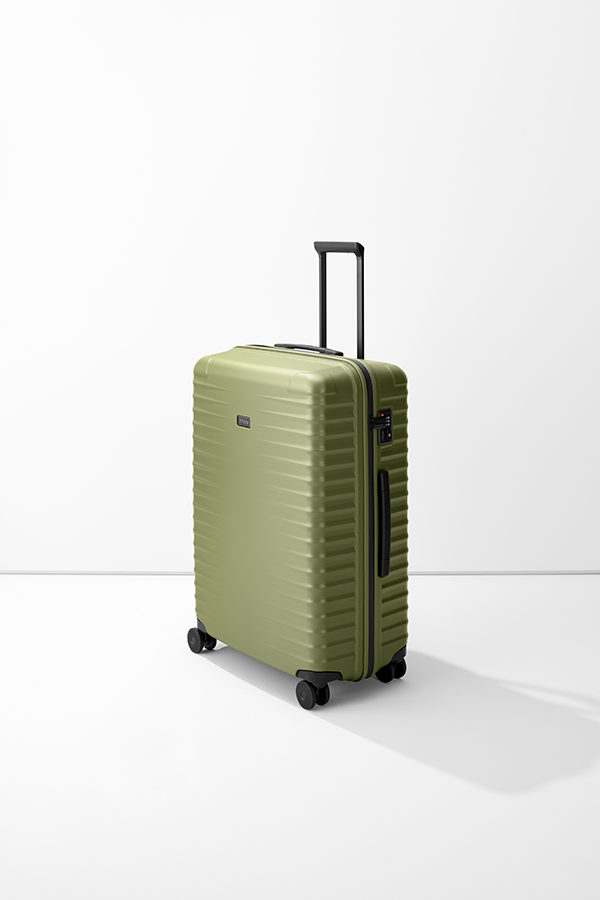
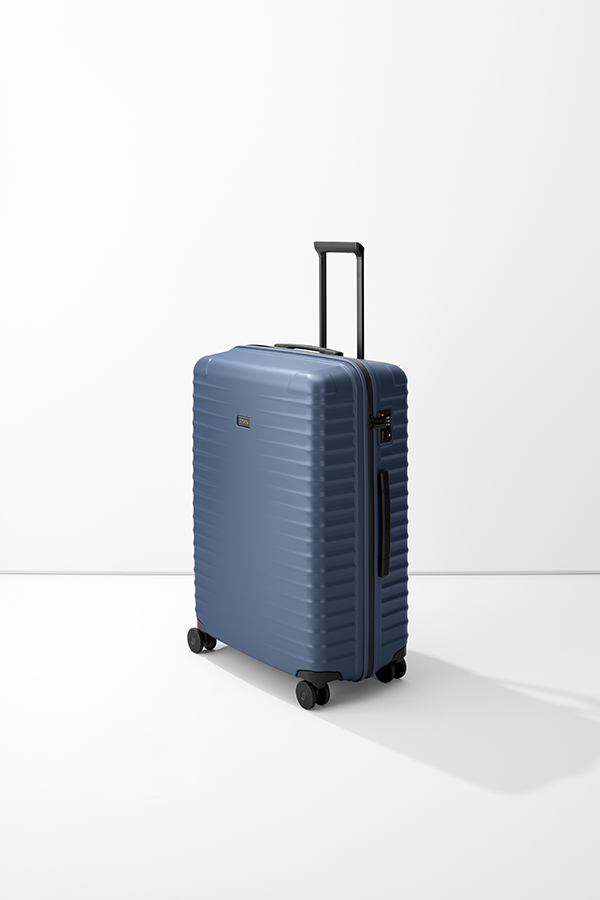
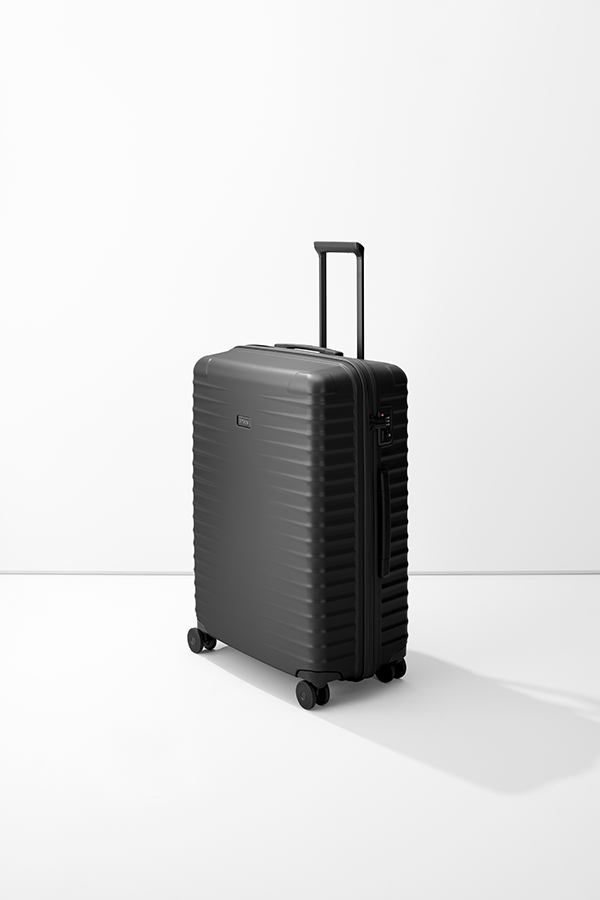
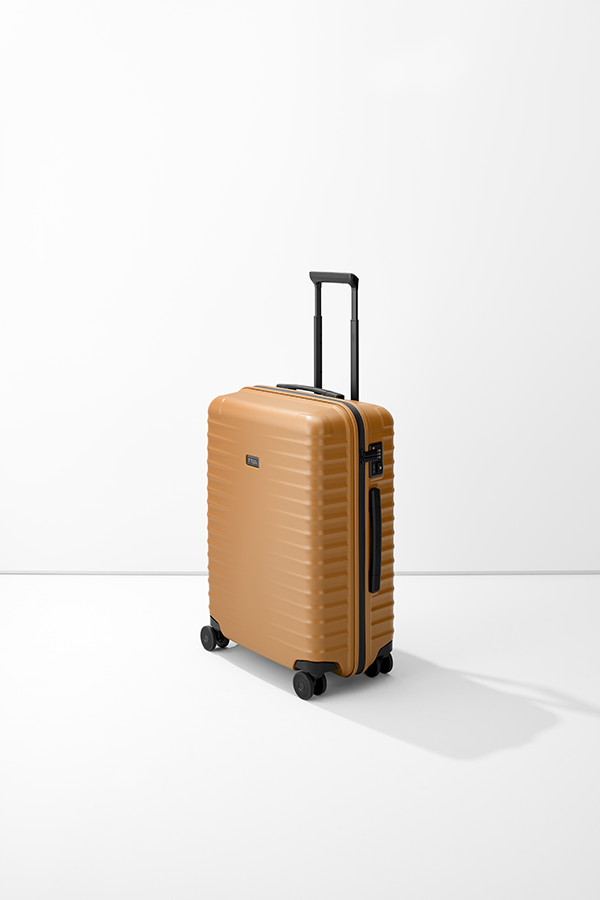
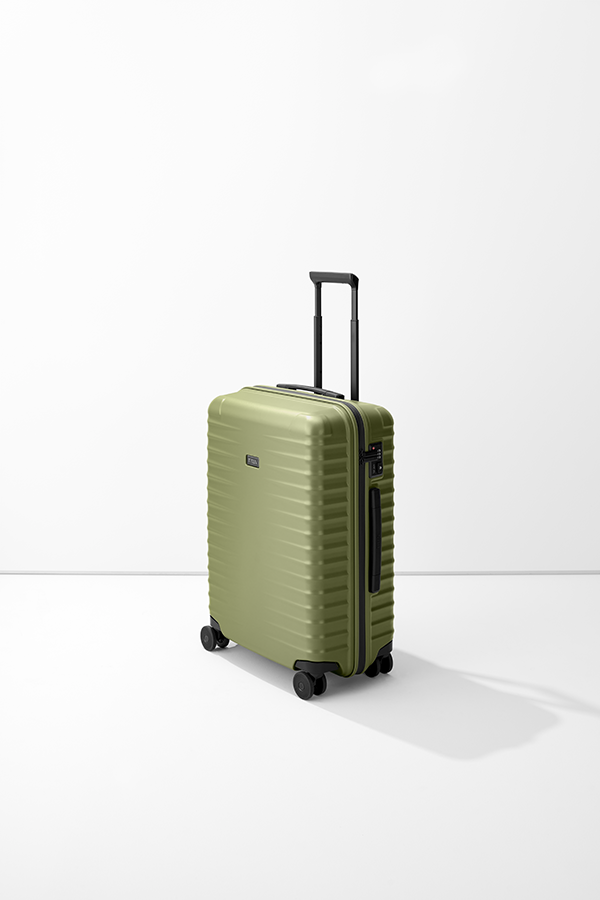
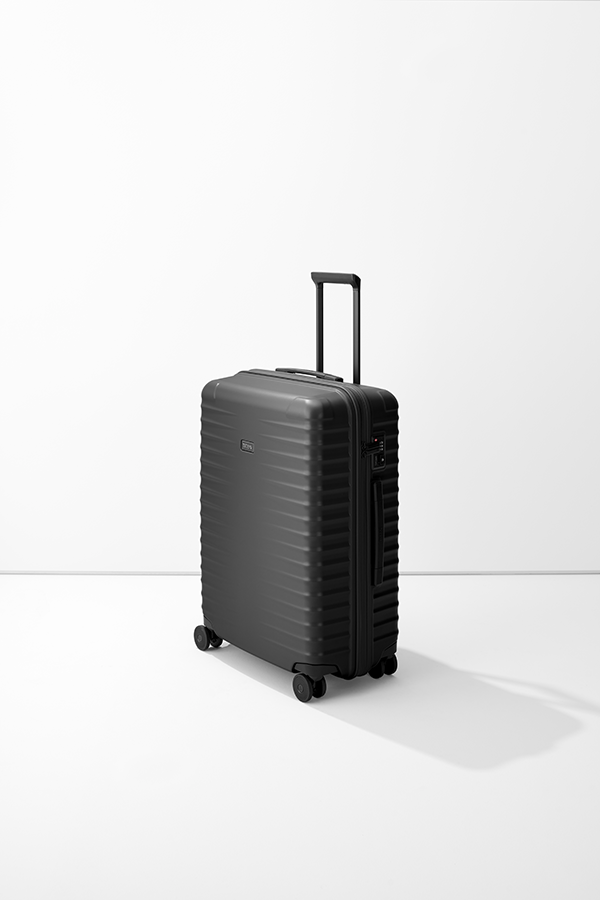
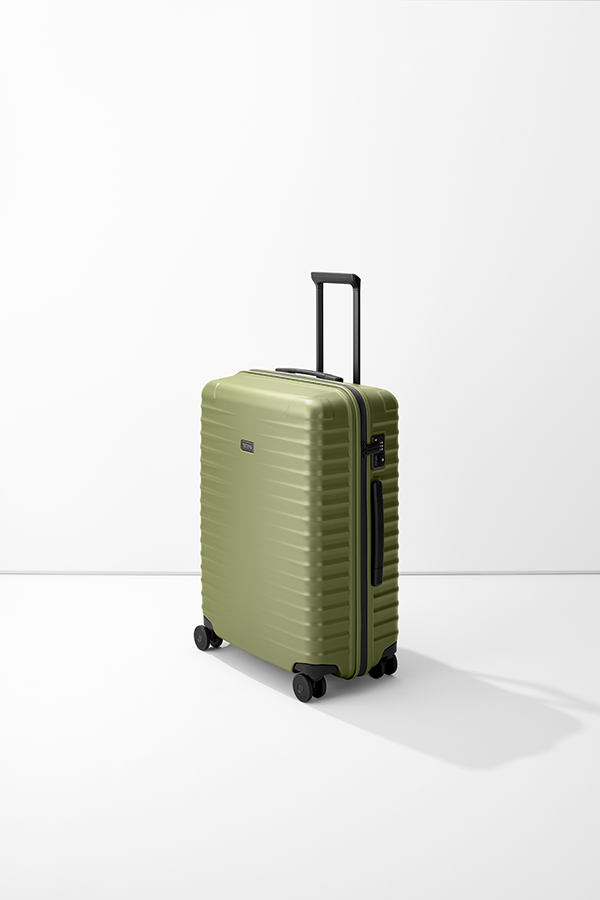
As soon as your trip spans a full working week, cabin luggage is often no longer sufficient. A medium-sized suitcase provides the necessary space for extra clothes, documents and a change of shoes.
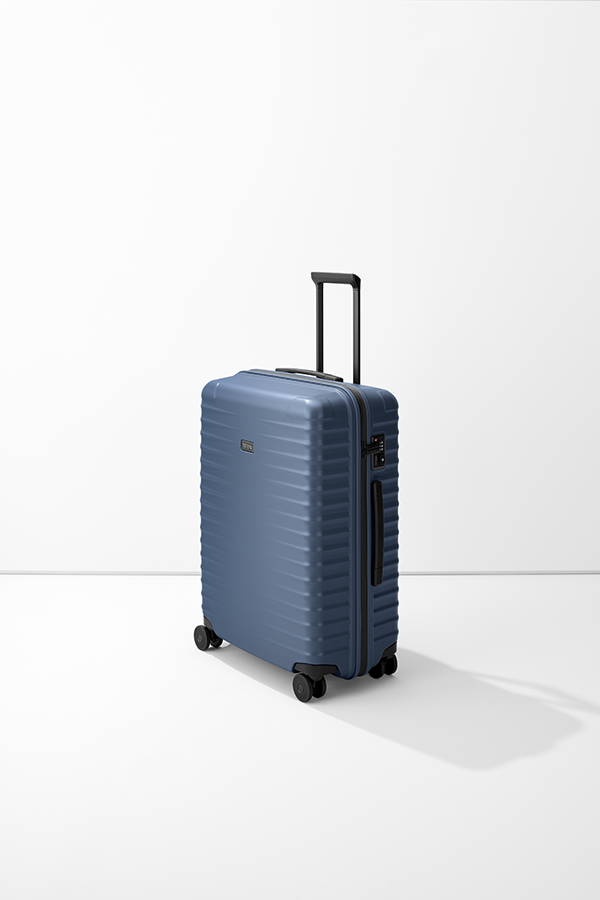
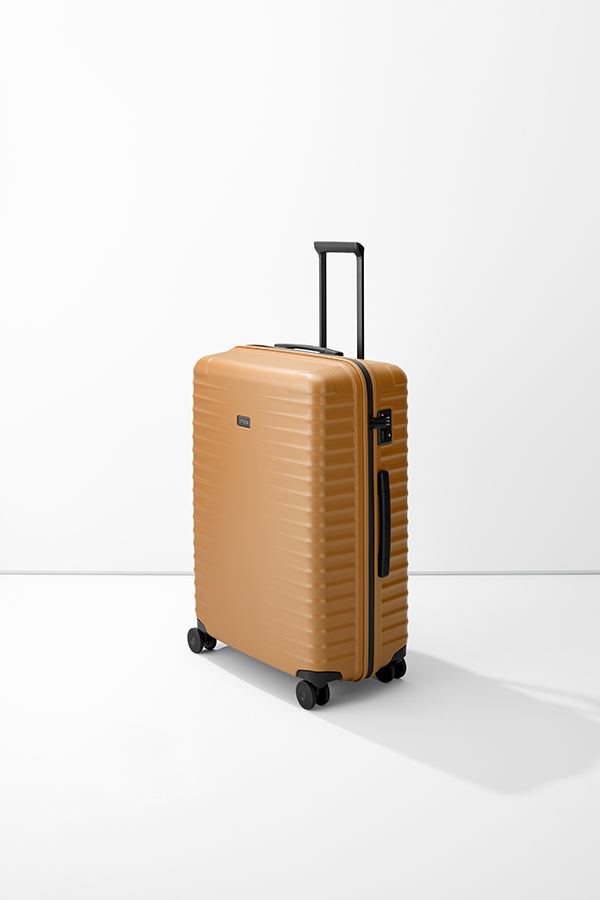
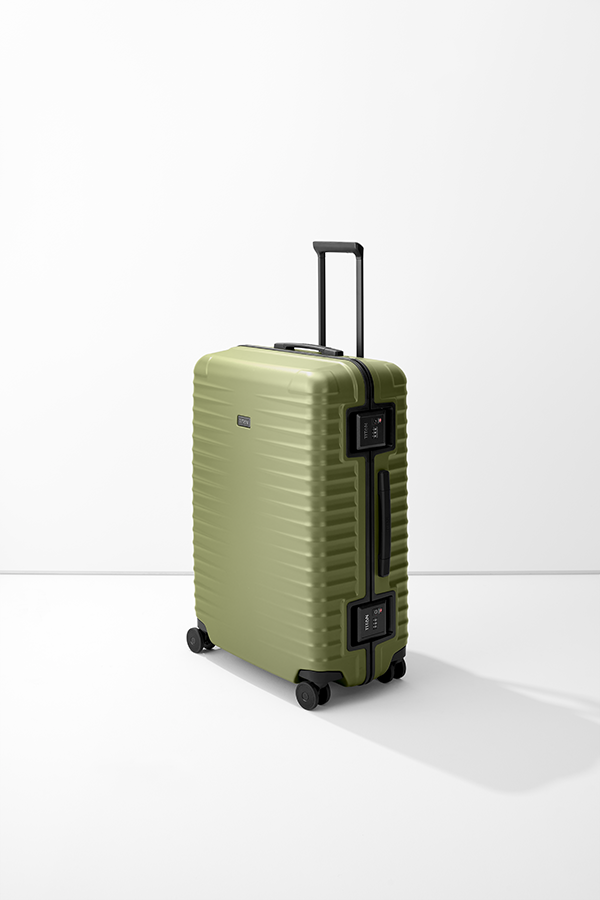
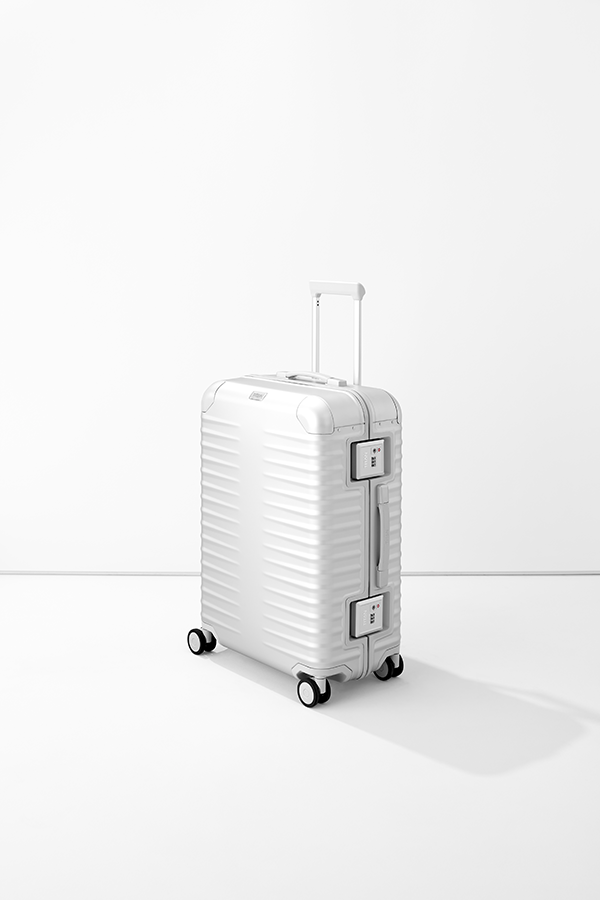
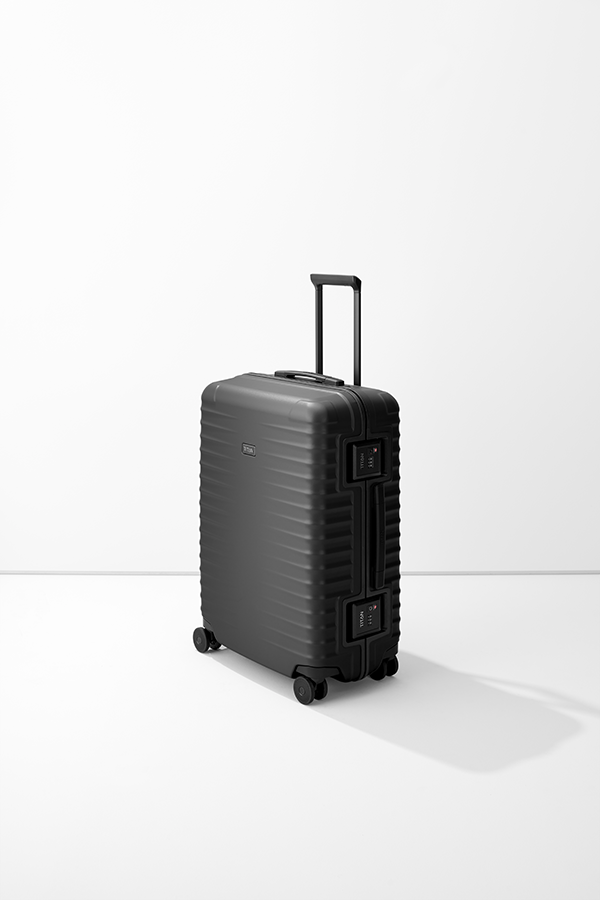
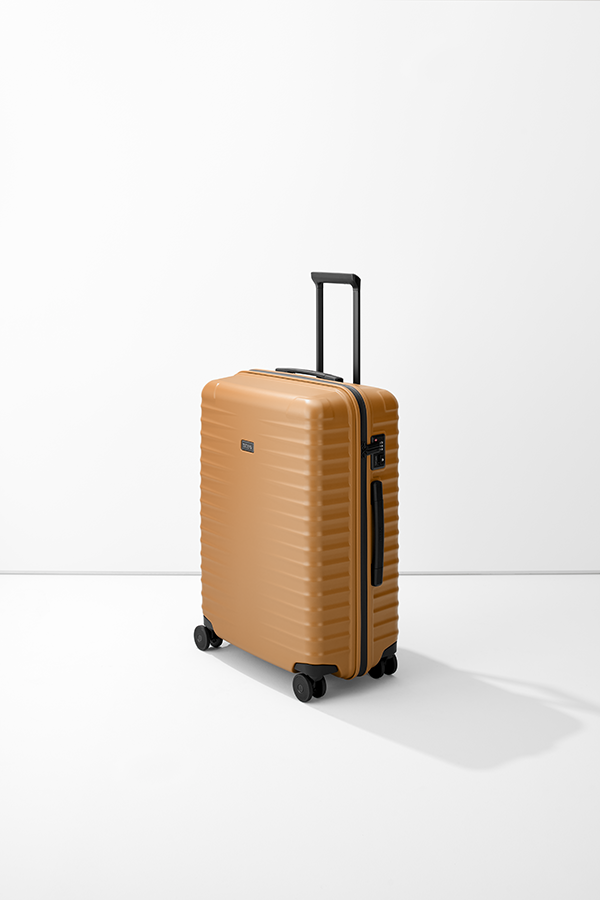
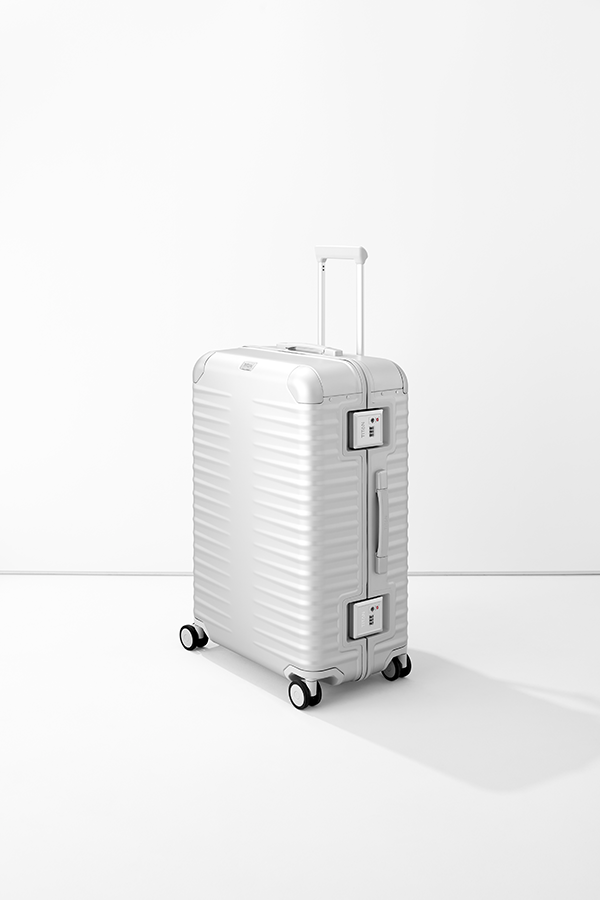
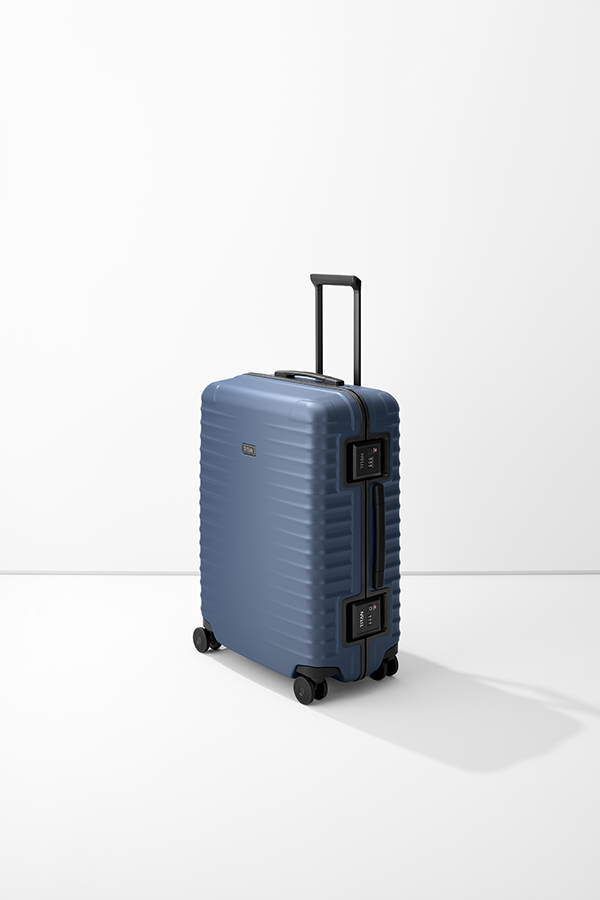
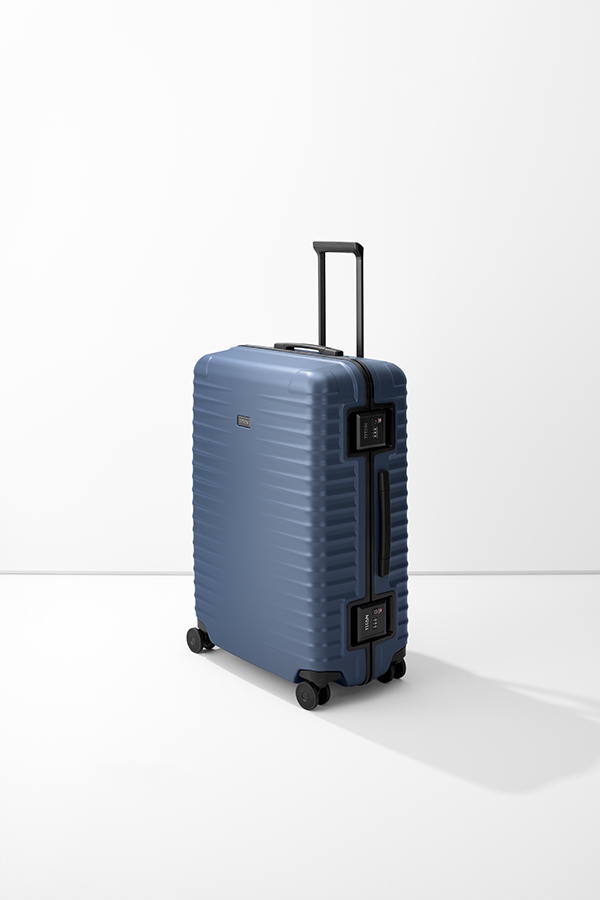
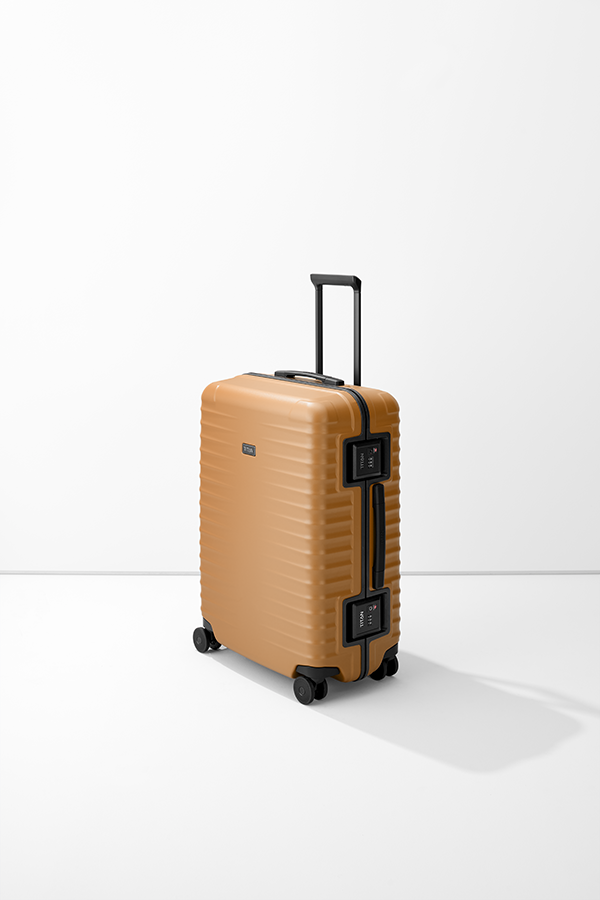
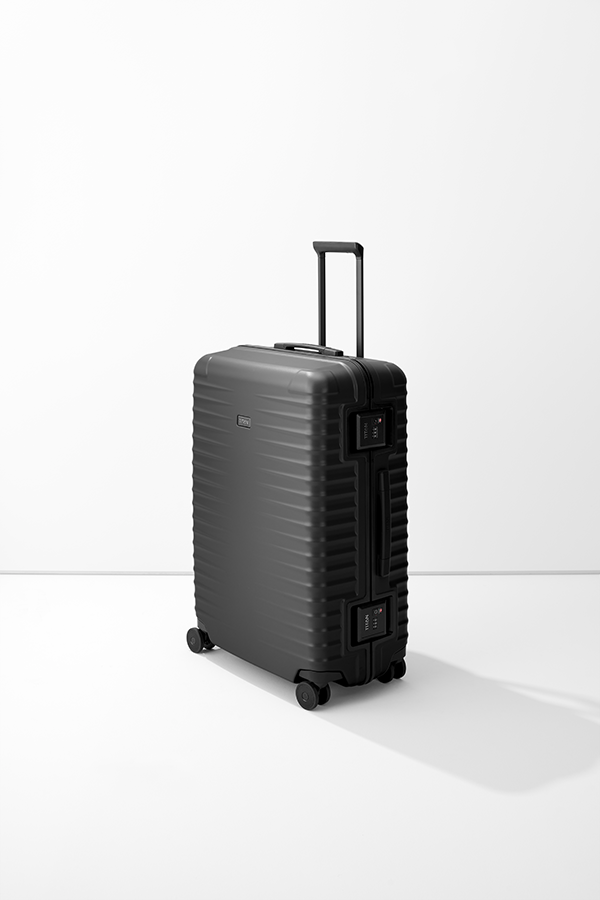
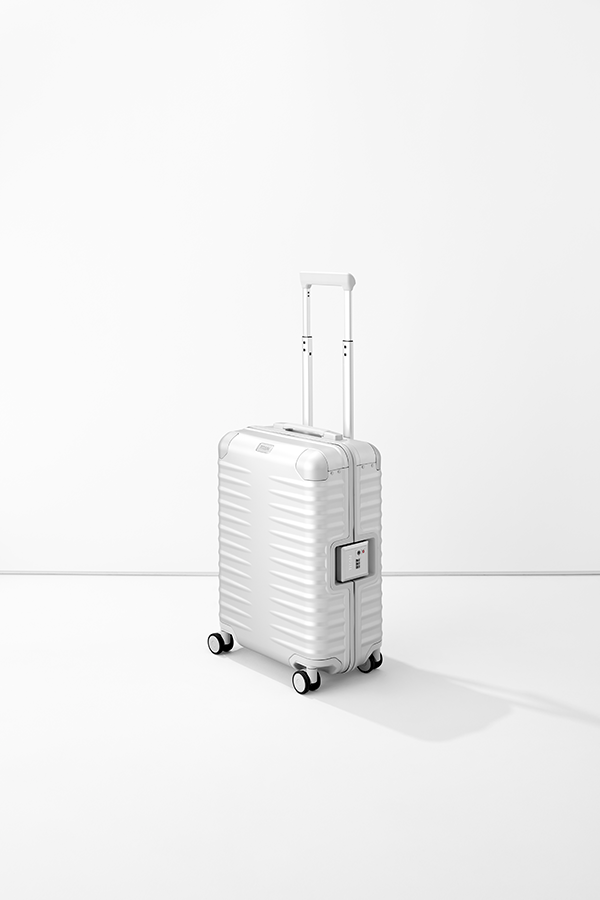
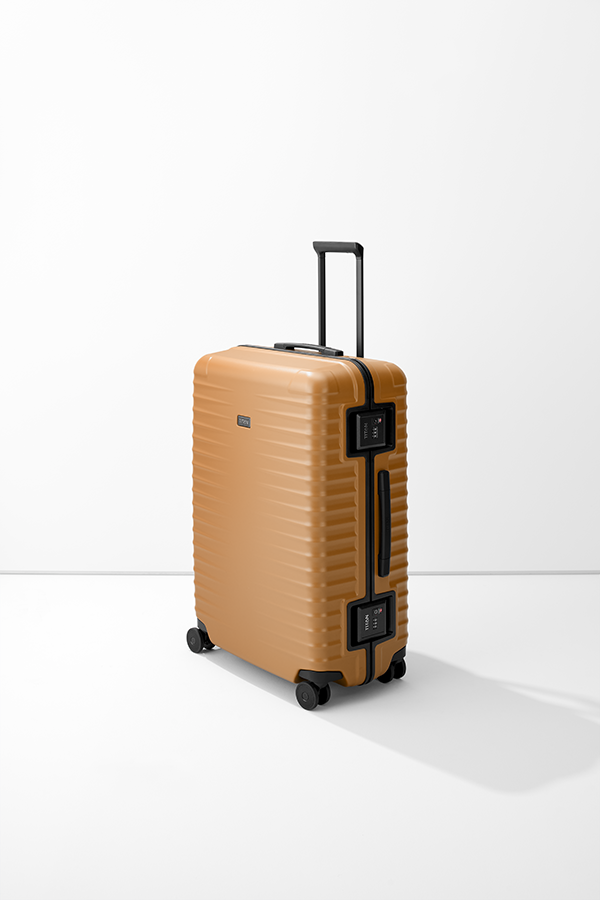
As this piece of luggage is checked in at the counter, the case must be able to withstand knocks during loading. Models with sturdy frame constructions made of polycarbonate or aluminium prove their worth here. The series OVERSEAS reliably absorbs physical stress thanks to the integrated TITAN Smart Frame. Those seeking maximum stability should opt for 100 % aluminium. Luggage such as the ETERNITY reliably protect the contents, even with intensive use and heavy loads.
Business-outfits that won’t crease in your suitcase
If you can open your suitcase in your hotel and put on your ‘ Business ’ outfit straight away, you’ll save valuable time in the morning. The rigid structure of a hard-shell suitcase protects the contents from external pressure. However, preventing creases only works with the right packing technique and the interplay of internal fastening elements.
Folding techniques for blazers, shirts and blouses
Wrinkle-free packing starts with layering. The principle is simple: heavy items at the bottom, delicate items at the top.
- Create a stable base: place heavy items such as toiletries bags, shoes or power adaptors right at the bottom of the suitcase, close to the wheels. This prevents the weight from pressing down on your clothes during transport.
- Fastening the placket: Button up shirts and blouses completely before folding them. This stabilises the collar and keeps the front smooth.
- Protect your shoulders: roll the sleeves of your jacket or blazer back. Fold the jacket once lengthways down the centre – if necessary, place some tissue paper in the fold to prevent sharp creases.
- Lay them flat: Place shirts, blouses and jackets, stretched out flat, at the very top of the pile.
Secured by a Y-shape strap system and packing plate
Careful folding is of little use if your clothes shift around whilst travelling. This is where the interior design of TITAN. The Y-shape strap system lies over the folded clothes and distributes the pressure evenly across the entire surface. This keeps the clothes in place, and the fabric remains largely free from creases.
The ‘ ETERNITY ’ aluminium suitcase also features an integrated packing board. This is placed directly on top of the folded clothes, covering them completely and protecting them from friction against other items of luggage or zips. The Y-shape strap system then secures the packing board, holding both securely in place.
The structured checklist for the ‘ Business ’ trip
An overpacked suitcase is usually the result of sheer uncertainty. If you plan ahead, you’ll keep track of everything and travel noticeably lighter. Here are the specific items that belong in your suitcase:
Clothing according to dress code and occasion
- Suit, skirt suit or blazer in versatile basic colours (dark blue, grey, black)
- Shirts or blouses
- Trousers or dark jeans
- Business-Shoes
- Comfortable spare shoes for after work or travelling
- Underwear and socks (one set per day plus a spare)
- Nightwear
- Matching belt and tie
- Depending on the weather: a coat, trench coat or light jacket
Technology and power supply
- Laptop or tablet
- Smartphone
- High-performance universal USB-C power adaptor for all devices
- Suitable charging cables
- Power bank – maximum 100 Wh and must be carried in your hand luggage
- Headphones (with noise-cancelling for trains or aeroplanes)
- Presentation materials or a password-protected USB stick
Documents, finances and supporting evidence
- Identity card or passport (check validity beforehand)
- A1 certificate – required for business trips to other EU countries
- Tickets and booking confirmations (flight, train, hire car, hotel)
- Company credit card and a little cash
- Driving licence
- Plenty of business cards
- A folder or case for physical expense receipts (ideally in a secure zipped compartment in your suitcase)
Toiletries and personal hygiene
- Toothbrush and toothpaste
- Deodorant and perfume
- Shower gel and shampoo
- Shaving kit
- Comb or hairbrush
- Personal first-aid kit (painkillers, plasters, your own medication)
- A transparent one-litre bag and a 100-millilitre container – modern CT scanners make this rule unnecessary at some airports. However, as not all terminals have been upgraded yet, you’ll be on the safe side if you travel using the traditional system.
How much clothing do you need?
Travellers often pack too much simply out of an excess of caution. This takes up space and makes your luggage unnecessarily heavy. A clear system prevents overfilled suitcases and gives you peace of mind when packing.
1 to 2 days: The principle for short trips
For a single overnight stay, a precise selection is sufficient. You arrive wearing one outfit, which you wear again the next day for the return journey. Only the ‘ Business ’ outfit for the appointment goes into your suitcase. A second pair of shoes stays at home. This significantly reduces the weight.
3 to 5 days: The 5-4-3-2-1 method for business trips
What may seem rather formulaic at first proves its worth in everyday travel. For a full working week, this systematic breakdown works well:
- Five tops
- Four pairs of trousers or skirts
- Three accessories such as ties, scarves or belts
- Two pairs of shoes
- A jacket or blazer
Underwear and socks are not part of the formula. You should pack one fresh set per day in your suitcase; this takes up hardly any extra space.
By skilfully combining these basic colours, you can create enough outfits for meetings, dinners and leisure time without filling your suitcase to the brim.
Staying organised on the return journey: dirty laundry and documents
On the outward journey, your luggage is usually perfectly organised. The challenge begins when you’re packing your suitcase for the return journey. Worn shirts are mixed in with fresh clothes, and there are often new documents from your meetings to add to the mix.
Spatial separation using the partition
Nobody wants to store worn clothes right next to a fresh jacket. The built-in divider clearly separates these areas from one another. The zipped compartment allows you to keep dirty laundry separate from the rest of the contents. This ensures your clean clothes remain crisp and separate from anything that has already been worn.
Leave space for extra items
Client meetings and trade fair visits often mean bringing back extra luggage. Contracts, brochures or small gifts for clients will need storage space on the return journey. Allow for this capacity right from the start. Anyone who fills their suitcase to the brim on the outward journey will face a space problem by the time they reach the airport at the very latest.
A clear head for appointments: travelling is easier when you’ve packed well
A structured approach to packing saves you a lot of stress. If you tailor the volume to the number of days you’ll be travelling, use folding techniques and keep documents and electronic devices within easy reach, travelling becomes noticeably easier. A well-thought-out interior layout of your suitcase does half the work and keeps your ‘ Business ’ outfit crease-free. This way, your focus remains exactly where it should be on a business trip: on the upcoming business meeting.
Frequently asked questions about the packing list for business trips
How do you keep shirts crease-free in your suitcase?
It all starts with the folding. Lay shirts flat on top of the rest of the suitcase’s contents. A tightly pulled Y-shaped strap then secures the clothes flat, without exerting pressure on specific areas of the fabric. In the aluminium suitcase ETERNITY, place the packing board on top beforehand; this provides additional protection for the shirt against friction.
What are the regulations for power banks on aeroplanes in 2026?
Power banks are generally not permitted in checked-in luggage; they must be carried exclusively in hand luggage. The upper limit for carrying them without prior notification is 100 watt-hours (Wh) per battery. This is more than sufficient for standard models. More powerful batteries require the express authorisation of the relevant airline.
What is the best type of luggage for a 3-day business trip?
For short trips, frequent travellers almost always opt for hand luggage only. A cabin suitcase or Business Trolley saves you time waiting at the baggage carousel. Models with a structured interior layout or a front pocket prove particularly useful here – this way, you’ll have your laptop ready to hand straight away at security.
What is the 5-4-3-2-1 method for packing?
This formula prevents you from exceeding your baggage allowance and works perfectly for working weeks of around five days. You pack five tops, four pairs of trousers or skirts, three accessories such as ties, scarves or belts, two pairs of shoes and a jacket or blazer. Underwear and socks are added separately, one set per day. If you stick to muted, neutral colours, you can mix and match outfits for any business occasion from this limited selection.

Business trip packing list: Packing systematically and crease-free
You arrive late at the hotel, your schedule for the next morning is already set – and when you open your suitcase, you realise: the shirt is creased, and the charging cable is still on your desk at home. Scenarios like these drain your energy unnecessarily before meetings. A well-thought-out packing list for your business trip provides a reliable solution here. If you tailor your luggage specifically to the duration of your trip, flight requirements and the Business dress code, you’ll travel more relaxed and maintain a confident appearance at all times.
Contents
- Choosing luggage based on the duration of your trip: which suitcase is right for you?
- Business-outfits that won’t crease in your suitcase
- The structured checklist for the ‘ Business ’ trip
- How much clothing do you need?
- Staying organised on the return journey: dirty laundry and documents
- Keep your mind free for appointments: travelling is easier when you’re well-packed
- Frequently asked questions about the packing list for business trips
The essentials at a glance
- Ideal luggage: For 1 to 3 days, a carry-on suitcase is usually sufficient. For 4 days or more, a medium-sized suitcase is recommended.
- Anti-crease tip: Lay shirts and jackets flat and secure them with a Y-shaped strap.
- Technical guidelines for 2026: Power banks must be carried exclusively in hand luggage. The standard is up to 100 Wh.
- Documents: You must always carry your A1 certificate with you when travelling on business to other EU countries.
Choosing luggage based on the duration of your trip: Which suitcase is right for you?
The duration of your trip directly determines the amount of space you’ll need. Too much storage space tempts you to overpack, whilst too little leads to creases in your Business outfit. Choosing the right type of suitcase therefore depends primarily on the number of days you’ll be travelling.
1 to 3 days: a cabin suitcase and Business Trolley in your hand luggage
If you’re travelling for just a few days, travelling with hand luggage saves a lot of time. You can leave the airport straight away without having to wait at the baggage carousel if your hand luggage’s dimensions match the Airlines’ specifications exactly. A well-organised hand luggage case provides the necessary flexibility here.
For very short trips, choose designs that allow quick access to work materials. A Business Trolley with a front pocket keeps your laptop and documents within easy reach right in the main compartment. Those who appreciate a clearly structured interior layout will find up to three additional compartments for cables, documents and accessories in the ‘ UPGRADE ’ range. The ‘ UPGRADE S20’, winner of the Stiftung Warentest test, combines agility with meticulous craftsmanship and complies with the standard hand luggage dimensions of most Airlines.
4 to 7 days: Medium-sized suitcase for longer trips
As soon as your trip spans a full working week, cabin luggage is often no longer sufficient. A medium-sized suitcase provides the necessary space for extra clothes, documents and a change of shoes.
As this piece of luggage is checked in at the counter, the case must be able to withstand knocks during loading. Models with sturdy frame constructions made of polycarbonate or aluminium prove their worth here. The series OVERSEAS reliably absorbs physical stress thanks to the integrated TITAN Smart Frame. Those seeking maximum stability should opt for 100 % aluminium. Luggage such as the ETERNITY reliably protect the contents, even with intensive use and heavy loads.
Business-outfits that won’t crease in your suitcase
If you can open your suitcase in your hotel and put on your ‘ Business ’ outfit straight away, you’ll save valuable time in the morning. The rigid structure of a hard-shell suitcase protects the contents from external pressure. However, preventing creases only works with the right packing technique and the interplay of internal fastening elements.
Folding techniques for blazers, shirts and blouses
Wrinkle-free packing starts with layering. The principle is simple: heavy items at the bottom, delicate items at the top.
- Create a stable base: place heavy items such as toiletries bags, shoes or power adaptors right at the bottom of the suitcase, close to the wheels. This prevents the weight from pressing down on your clothes during transport.
- Fastening the placket: Button up shirts and blouses completely before folding them. This stabilises the collar and keeps the front smooth.
- Protect your shoulders: roll the sleeves of your jacket or blazer back. Fold the jacket once lengthways down the centre – if necessary, place some tissue paper in the fold to prevent sharp creases.
- Lay them flat: Place shirts, blouses and jackets, stretched out flat, at the very top of the pile.
Secured by a Y-shape strap system and packing plate
Careful folding is of little use if your clothes shift around whilst travelling. This is where the interior design of TITAN. The Y-shape strap system lies over the folded clothes and distributes the pressure evenly across the entire surface. This keeps the clothes in place, and the fabric remains largely free from creases.
The ‘ ETERNITY ’ aluminium suitcase also features an integrated packing board. This is placed directly on top of the folded clothes, covering them completely and protecting them from friction against other items of luggage or zips. The Y-shape strap system then secures the packing board, holding both securely in place.
The structured checklist for the ‘ Business ’ trip
An overpacked suitcase is usually the result of sheer uncertainty. If you plan ahead, you’ll keep track of everything and travel noticeably lighter. Here are the specific items that belong in your suitcase:
Clothing according to dress code and occasion
- Suit, skirt suit or blazer in versatile basic colours (dark blue, grey, black)
- Shirts or blouses
- Trousers or dark jeans
- Business-Shoes
- Comfortable spare shoes for after work or travelling
- Underwear and socks (one set per day plus a spare)
- Nightwear
- Matching belt and tie
- Depending on the weather: a coat, trench coat or light jacket
Technology and power supply
- Laptop or tablet
- Smartphone
- High-performance universal USB-C power adaptor for all devices
- Suitable charging cables
- Power bank – maximum 100 Wh and must be carried in your hand luggage
- Headphones (with noise-cancelling for trains or aeroplanes)
- Presentation materials or a password-protected USB stick
Documents, finances and supporting evidence
- Identity card or passport (check validity beforehand)
- A1 certificate – required for business trips to other EU countries
- Tickets and booking confirmations (flight, train, hire car, hotel)
- Company credit card and a little cash
- Driving licence
- Plenty of business cards
- A folder or case for physical expense receipts (ideally in a secure zipped compartment in your suitcase)
Toiletries and personal hygiene
- Toothbrush and toothpaste
- Deodorant and perfume
- Shower gel and shampoo
- Shaving kit
- Comb or hairbrush
- Personal first-aid kit (painkillers, plasters, your own medication)
- A transparent one-litre bag and a 100-millilitre container – modern CT scanners make this rule unnecessary at some airports. However, as not all terminals have been upgraded yet, you’ll be on the safe side if you travel using the traditional system.
How much clothing do you need?
Travellers often pack too much simply out of an excess of caution. This takes up space and makes your luggage unnecessarily heavy. A clear system prevents overfilled suitcases and gives you peace of mind when packing.
1 to 2 days: The principle for short trips
For a single overnight stay, a precise selection is sufficient. You arrive wearing one outfit, which you wear again the next day for the return journey. Only the ‘ Business ’ outfit for the appointment goes into your suitcase. A second pair of shoes stays at home. This significantly reduces the weight.
3 to 5 days: The 5-4-3-2-1 method for business trips
What may seem rather formulaic at first proves its worth in everyday travel. For a full working week, this systematic breakdown works well:
- Five tops
- Four pairs of trousers or skirts
- Three accessories such as ties, scarves or belts
- Two pairs of shoes
- A jacket or blazer
Underwear and socks are not part of the formula. You should pack one fresh set per day in your suitcase; this takes up hardly any extra space.
By skilfully combining these basic colours, you can create enough outfits for meetings, dinners and leisure time without filling your suitcase to the brim.
Staying organised on the return journey: dirty laundry and documents
On the outward journey, your luggage is usually perfectly organised. The challenge begins when you’re packing your suitcase for the return journey. Worn shirts are mixed in with fresh clothes, and there are often new documents from your meetings to add to the mix.
Spatial separation using the partition
Nobody wants to store worn clothes right next to a fresh jacket. The built-in divider clearly separates these areas from one another. The zipped compartment allows you to keep dirty laundry separate from the rest of the contents. This ensures your clean clothes remain crisp and separate from anything that has already been worn.
Leave space for extra items
Client meetings and trade fair visits often mean bringing back extra luggage. Contracts, brochures or small gifts for clients will need storage space on the return journey. Allow for this capacity right from the start. Anyone who fills their suitcase to the brim on the outward journey will face a space problem by the time they reach the airport at the very latest.
A clear head for appointments: travelling is easier when you’ve packed well
A structured approach to packing saves you a lot of stress. If you tailor the volume to the number of days you’ll be travelling, use folding techniques and keep documents and electronic devices within easy reach, travelling becomes noticeably easier. A well-thought-out interior layout of your suitcase does half the work and keeps your ‘ Business ’ outfit crease-free. This way, your focus remains exactly where it should be on a business trip: on the upcoming business meeting.
Frequently asked questions about the packing list for business trips
How do you keep shirts crease-free in your suitcase?
It all starts with the folding. Lay shirts flat on top of the rest of the suitcase’s contents. A tightly pulled Y-shaped strap then secures the clothes flat, without exerting pressure on specific areas of the fabric. In the aluminium suitcase ETERNITY, place the packing board on top beforehand; this provides additional protection for the shirt against friction.
What are the regulations for power banks on aeroplanes in 2026?
Power banks are generally not permitted in checked-in luggage; they must be carried exclusively in hand luggage. The upper limit for carrying them without prior notification is 100 watt-hours (Wh) per battery. This is more than sufficient for standard models. More powerful batteries require the express authorisation of the relevant airline.
What is the best type of luggage for a 3-day business trip?
For short trips, frequent travellers almost always opt for hand luggage only. A cabin suitcase or Business Trolley saves you time waiting at the baggage carousel. Models with a structured interior layout or a front pocket prove particularly useful here – this way, you’ll have your laptop ready to hand straight away at security.
What is the 5-4-3-2-1 method for packing?
This formula prevents you from exceeding your baggage allowance and works perfectly for working weeks of around five days. You pack five tops, four pairs of trousers or skirts, three accessories such as ties, scarves or belts, two pairs of shoes and a jacket or blazer. Underwear and socks are added separately, one set per day. If you stick to muted, neutral colours, you can mix and match outfits for any business occasion from this limited selection.