Airport security checks: travel relaxed and confident
Security checks at the airport are a standard part of any air journey and can be a source of anxiety for many travellers. If you organise yourself properly at this stage, you’ll travel with greater peace of mind. Long queues, sorting liquids or removing electronic devices needn’t be a source of stress. With the right preparation and a clear overview, the security check becomes a predictable part of your journey.
Modern technologies such as CT scanners speed up many processes and ensure that security checks are now a much more comfortable experience. However, it is not just the technology that matters, but also how well you organise yourself. If you plan ahead, keep your hand luggage neatly organised and opt for high-quality materials, you’ll be able to navigate even the busiest airports with calm and clarity.
Travelling begins with organisation and ends in style. Those who combine functionality, quality and confidence will also navigate the airport security check without any fuss – and start their journey feeling relaxed.
Precise procedures for safe travel: how security checks work
Security checks at the airport serve to protect passengers and crew. They separate the public area from the secure area and ensure that no prohibited or dangerous items are brought on board the aircraft. In Germany, responsibility lies with the Federal Police, who frequently commission specialist security services to carry out these checks.
A clearly structured process, modern technology and trained staff ensure that every security check is carried out accurately, safely and efficiently.
Security screening procedure
The security check follows a fixed procedure, which is similar at all German airports. First, your boarding pass is checked, then your hand luggage is screened, and finally you are screened. Jackets, belts and metal objects are placed in the trays provided. Liquids and electronic devices are either presented separately – depending on the technology used – or may remain in your luggage.
If you do your research, organise your hand luggage clearly and follow the staff’s instructions, you’ll find the security check is a predictable step on your way to the gate. Staying calm, being organised and having a good-quality suitcase all help to ensure that this part of your journey is as pleasant as the flight itself.
A comparison of X-ray scanners and CT scanners
At the security check, hand luggage is screened using an X-ray or CT scanner. Traditional X-ray scanners produce two-dimensional images, whilst modern CT scanners display the contents in three dimensions and provide a much more precise view. As a result, fewer items of hand luggage need to be opened, which noticeably speeds up the process and makes it more convenient for travellers.
CT scanners are already in use at major airports such as Munich, Frankfurt, Berlin and Hamburg. They mean that liquids and electronic devices can often remain in your hand luggage. However, this technology is not yet available everywhere. At airports with a mix of equipment, whether the new rules apply depends on the specific security lane.
Travellers should therefore always pay attention to the signage and instructions given by security staff. This allows the process to be easily adapted to the equipment available, ensuring that the security check proceeds without unnecessary delays.
Being organised keeps you calm: how to get through security without any hassle
Good preparation starts at home. If you know what is permitted at security and how the procedures work, you’ll travel much more relaxed. Small details determine whether the security process runs smoothly and calmly.
Liquids: At airports equipped with modern CT scanning technology, liquids may remain in hand luggage. However, this rule has not yet been implemented everywhere, which is why the familiar liquids rule still applies. Liquids are only permitted in containers of up to 100 millilitres, packed in a transparent, resealable one-litre bag. If you keep this bag to hand, you can produce it quickly when required.
Electronic devices: The procedure for electronic devices also depends on the technology used. With CT scanners, laptops, tablets and cameras may remain in hand luggage. Where older scanners are still in use, these items must be placed separately in a security tray. It is worth stowing these devices in an easily accessible place in your suitcase or rucksack so that you can retrieve them quickly when needed.
Clothing: Comfortable and practical clothing makes the security check easier. Where possible, avoid belts, jewellery or accessories with metal parts. Shoes that are easy to put on and take off, as well as a jacket with practical pockets, provide extra comfort.
Checklist for security screening
A short checklist helps to ensure you’ve thought of everything:
Boarding pass and ID
Liquid bags in accordance with the 100 ml rule
Laptop or tablet
Jacket, belt and metal objects
Organised hand luggage
If you pack your luggage carefully and are familiar with the applicable rules, you’ll travel with greater peace of mind and reach the gate without any stress. Even if not all security lanes are equipped with CT scanners, this preparation ensures that the process remains orderly and efficient.
Clarity on luggage: what belongs in your hand luggage
Hand luggage is the focus of every security check. The key factor is which items are permitted. Sharp or pointed objects, tools and large containers of liquid must always be placed in your hold luggage. Power banks, rechargeable batteries and sensitive electronic devices should remain in your hand luggage.
With the introduction of CT scanners, passengers at many airports no longer need to remove liquids and electronic devices from their carry-on luggage. This makes the process significantly quicker and more pleasant. Nevertheless, organisation remains important. Transparent bags, clearly divided compartments and sturdy materials ensure everything is easy to find.
Permitted in hand luggage
Not permitted in hand luggage
Liquids up to 100 ml in a 1-litre bag (often left in your hold luggage when passing through CT scanners)
Liquids over 100 ml or unpackaged containers
Laptop, tablet, camera, power bank
Devices with faulty or loose batteries
Solid cosmetic products
Sprays or perfume bottles larger than 100 ml
Medicines in their original packaging, with proof of authorisation for liquids
Liquid medicines over 100 ml without proof
Snacks and solid food
Liquid or creamy foods such as yoghurt or soup
Disposable razors with protective caps
Knives, scissors, tools and sharp objects
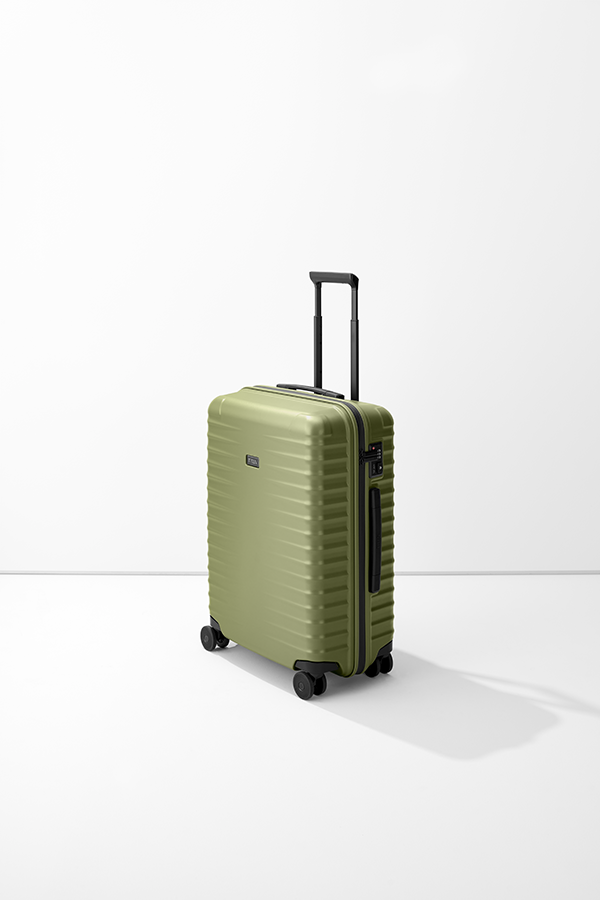
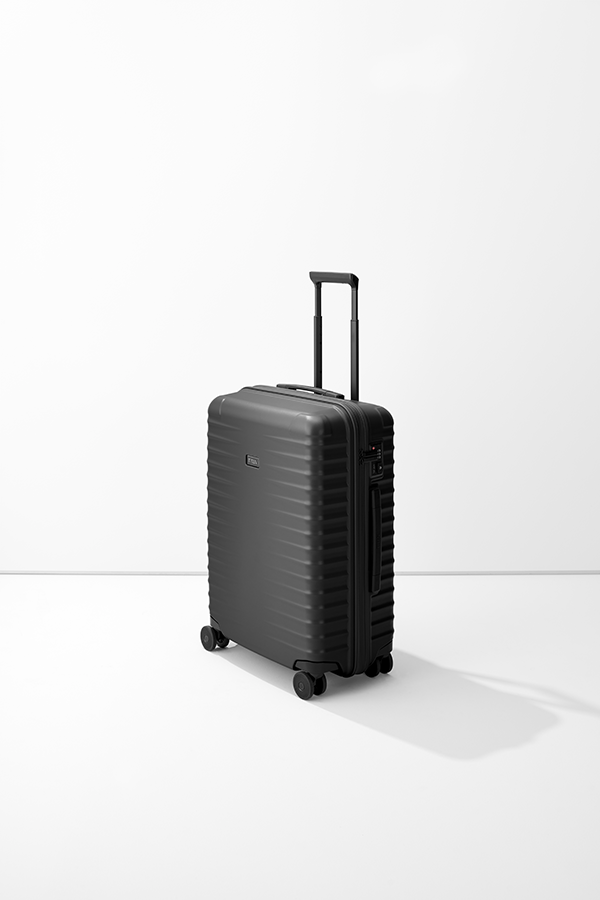
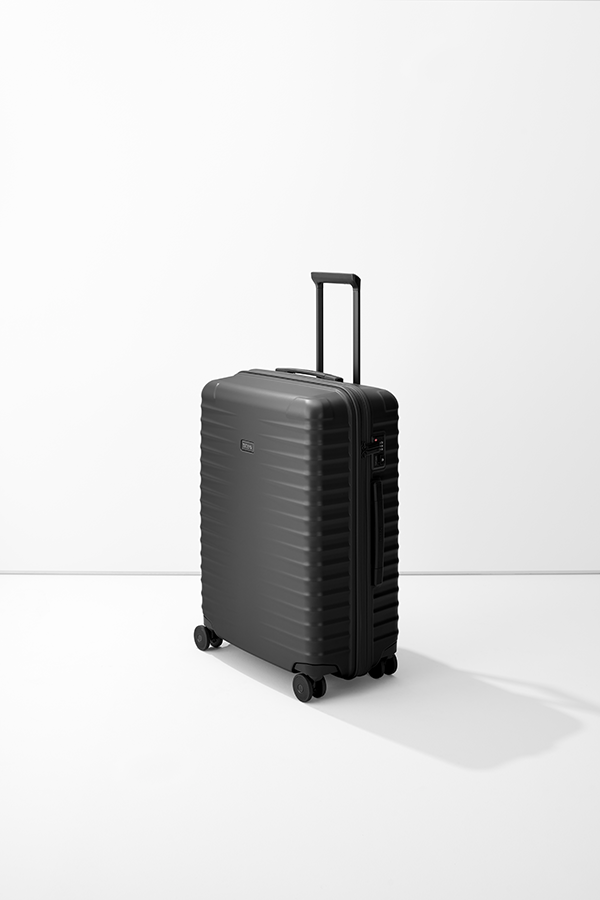
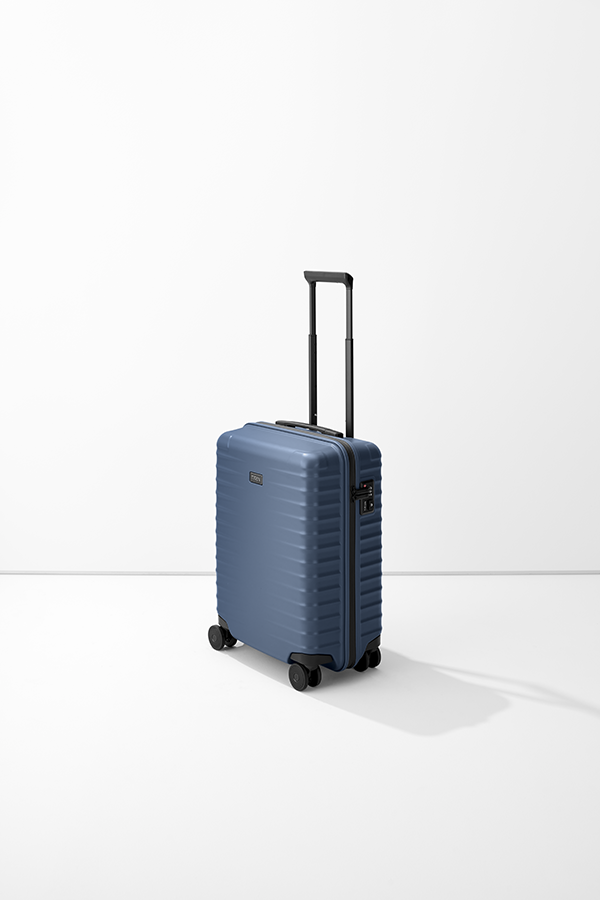
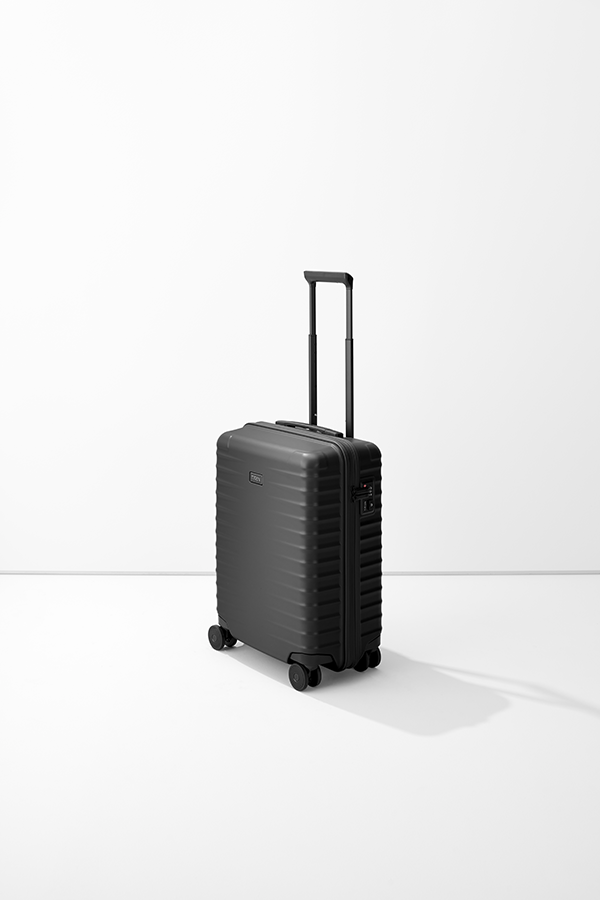
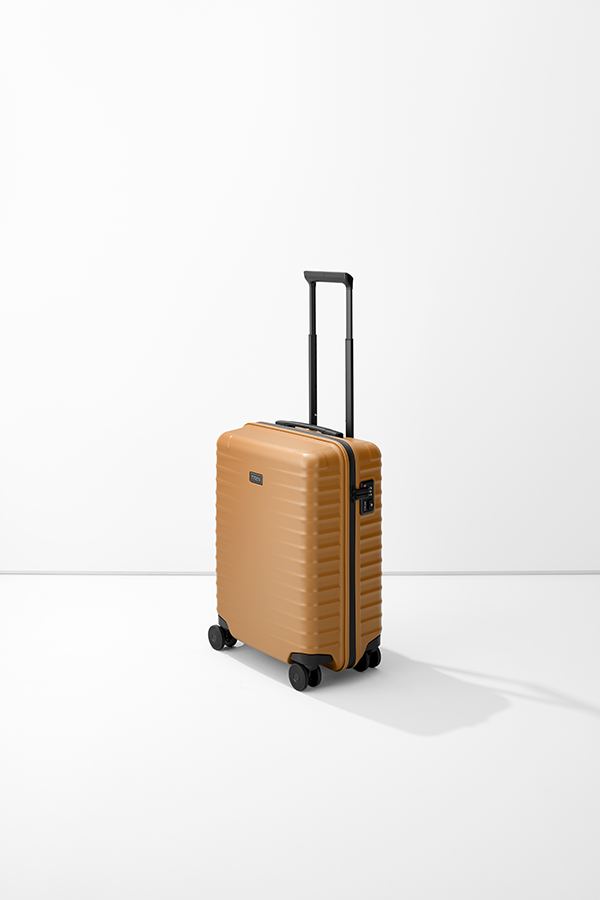
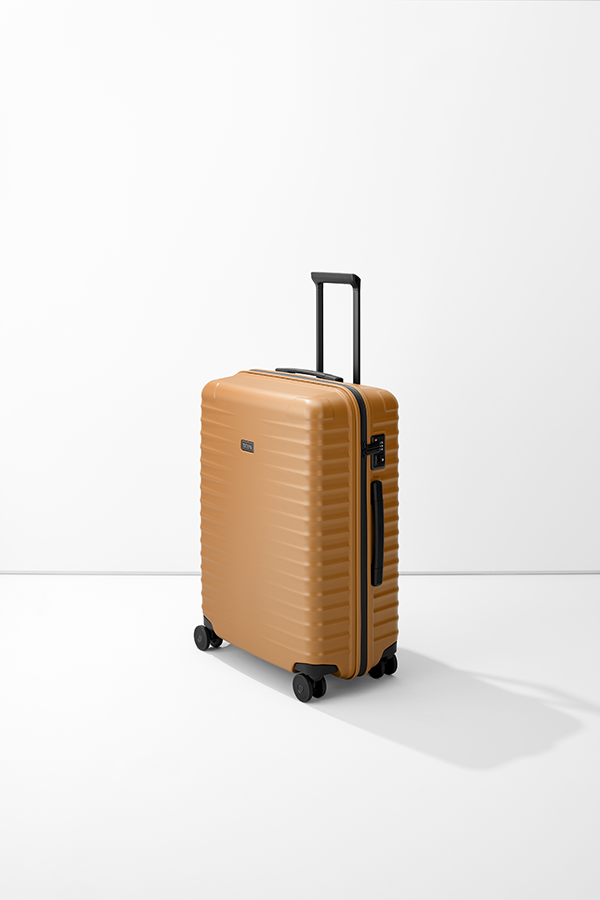
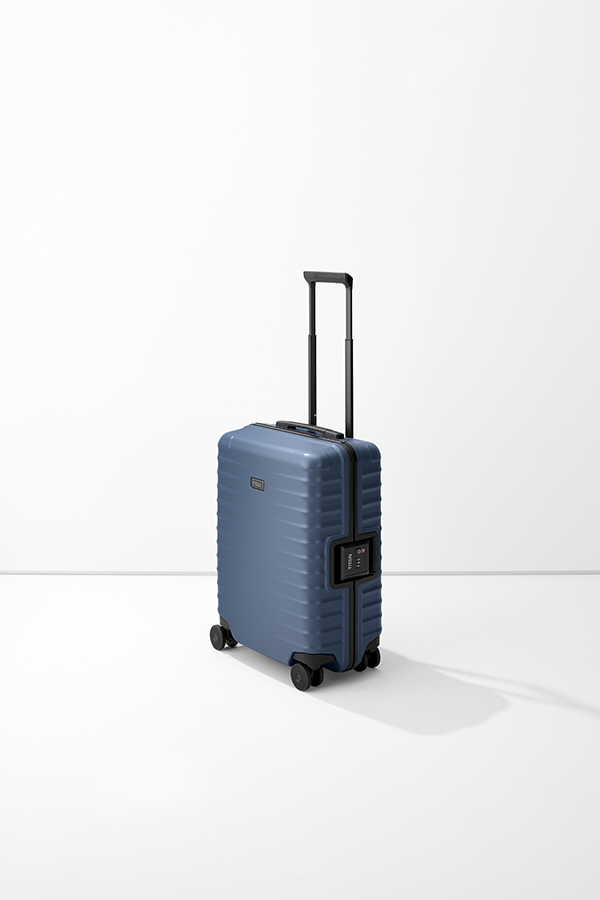
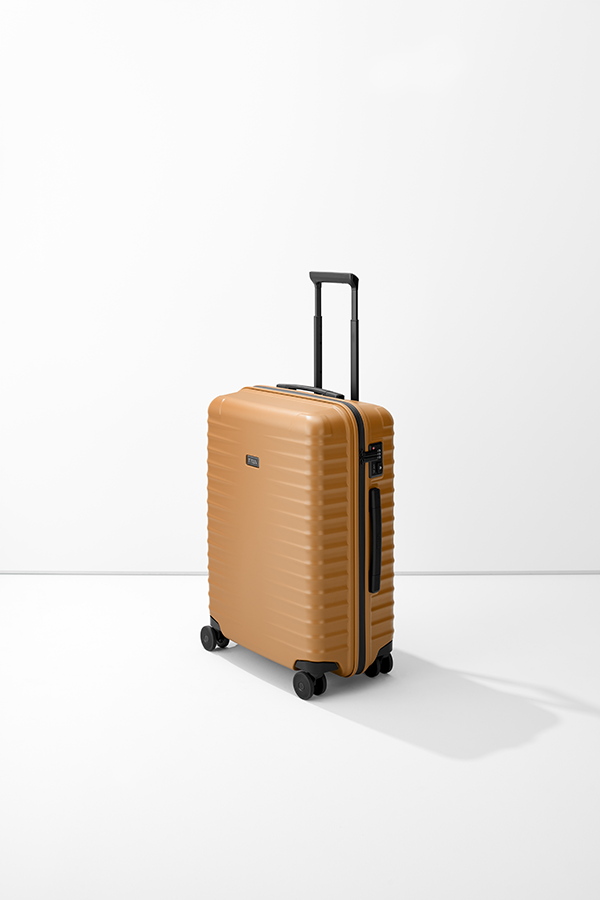
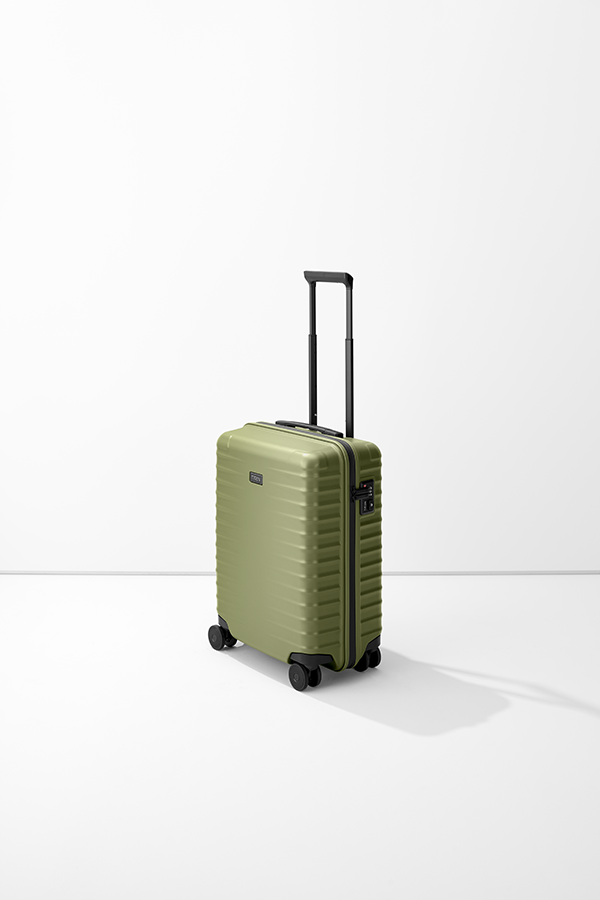
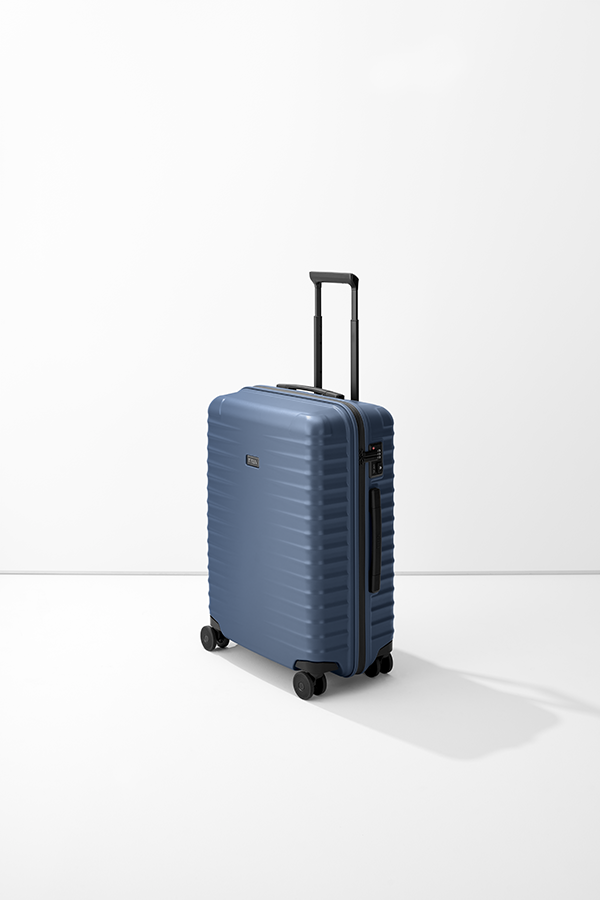
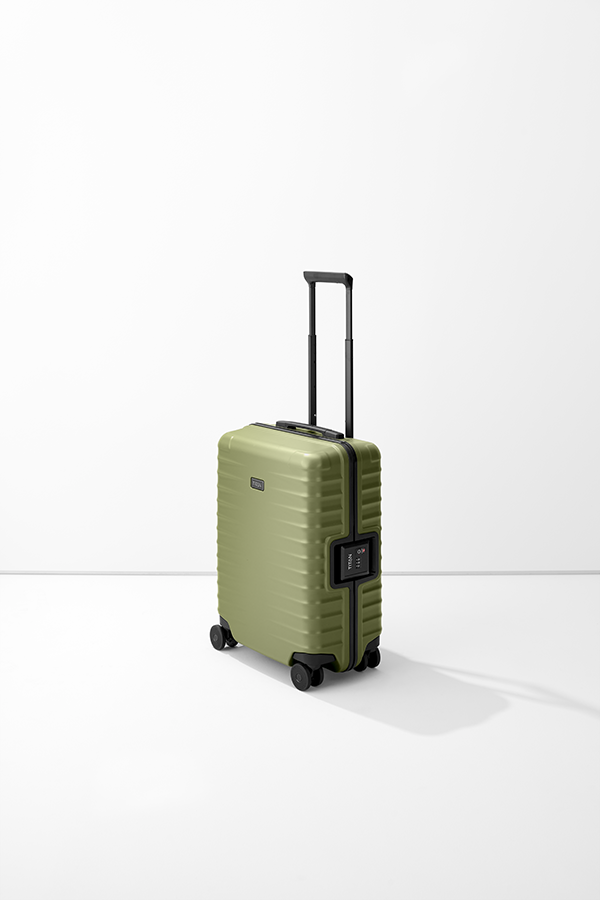
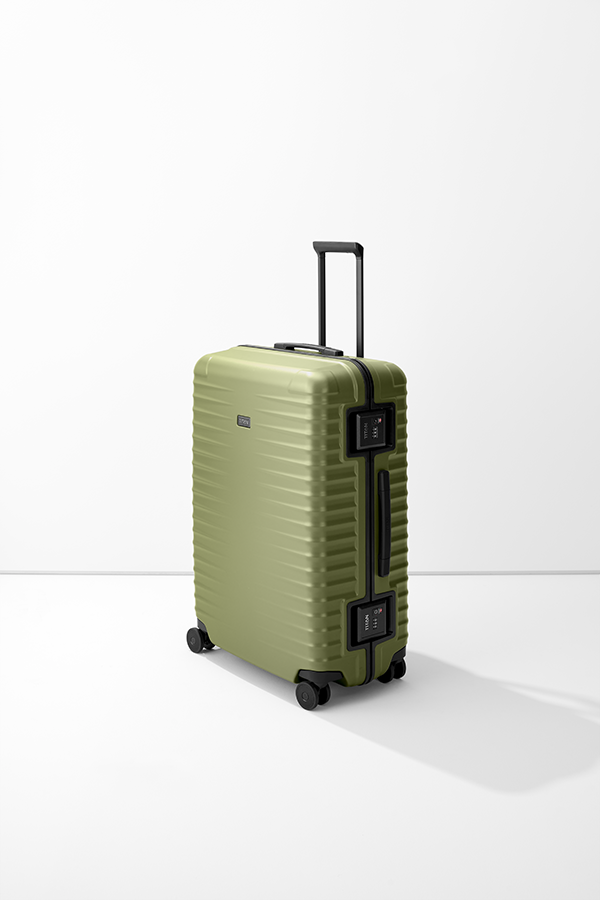
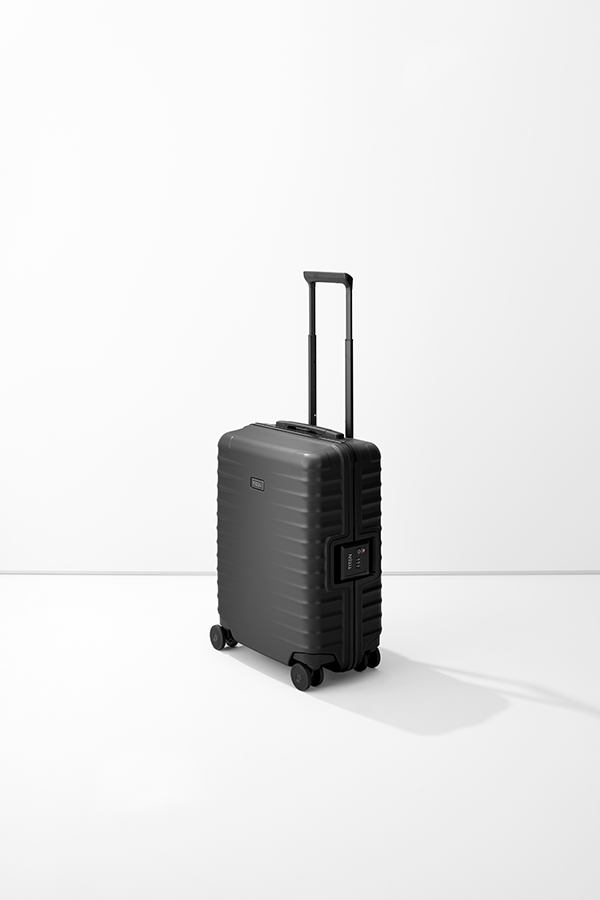
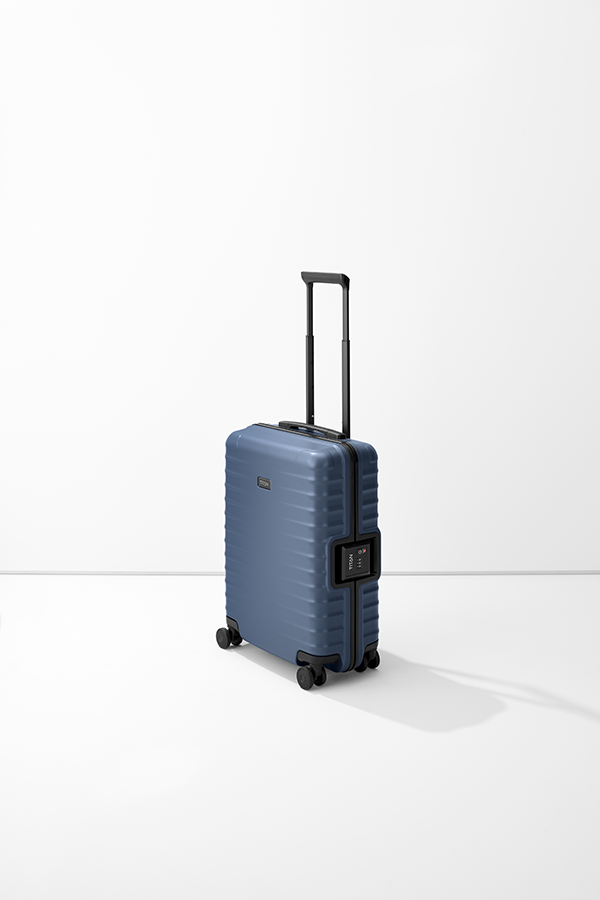
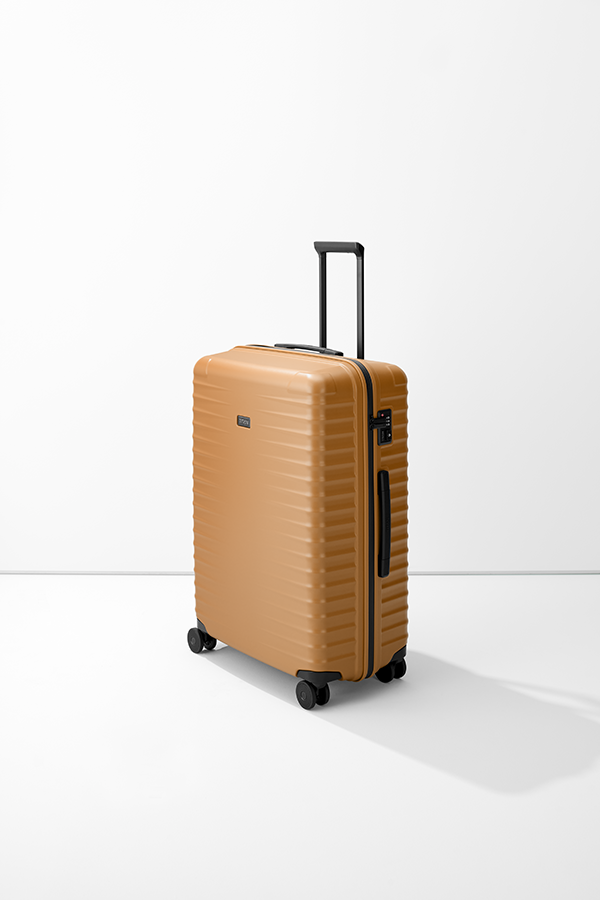
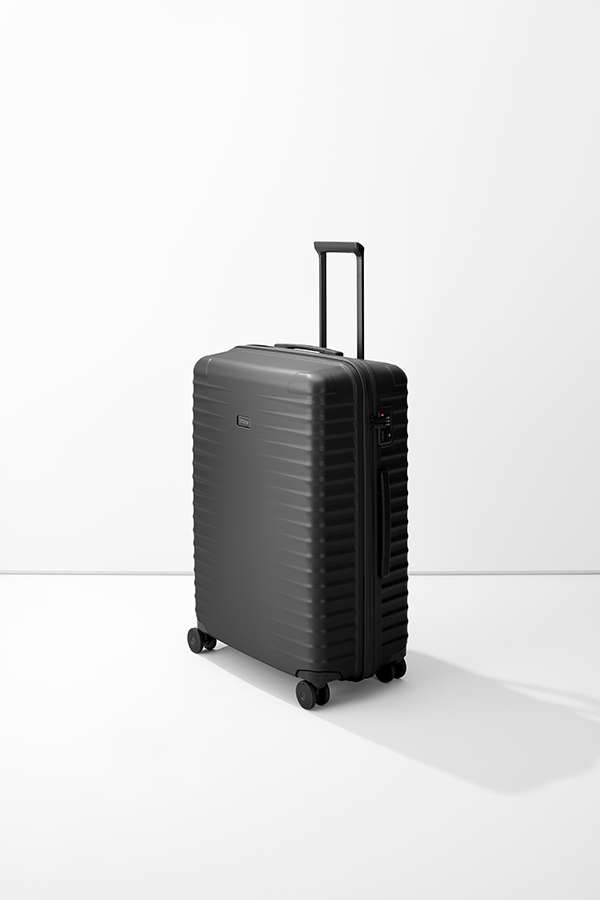
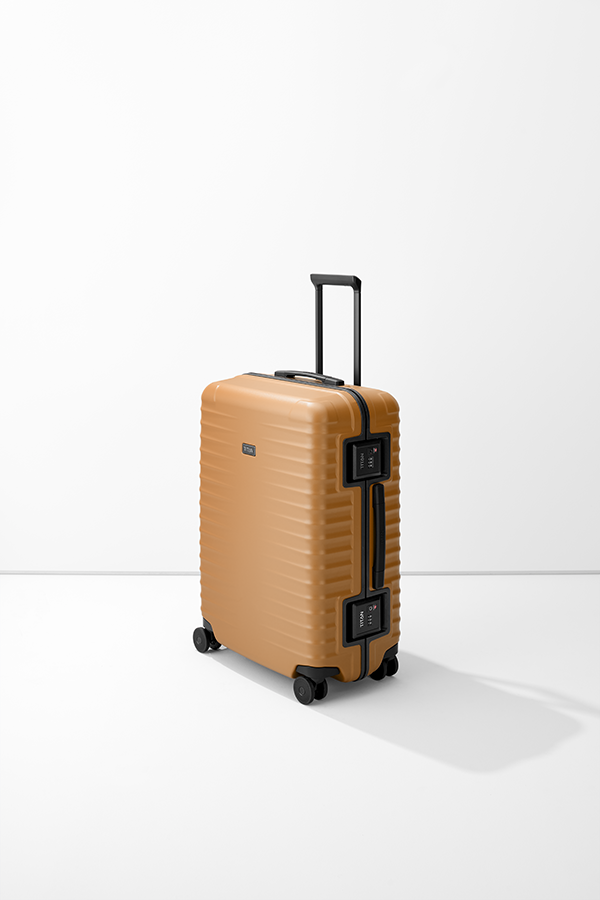
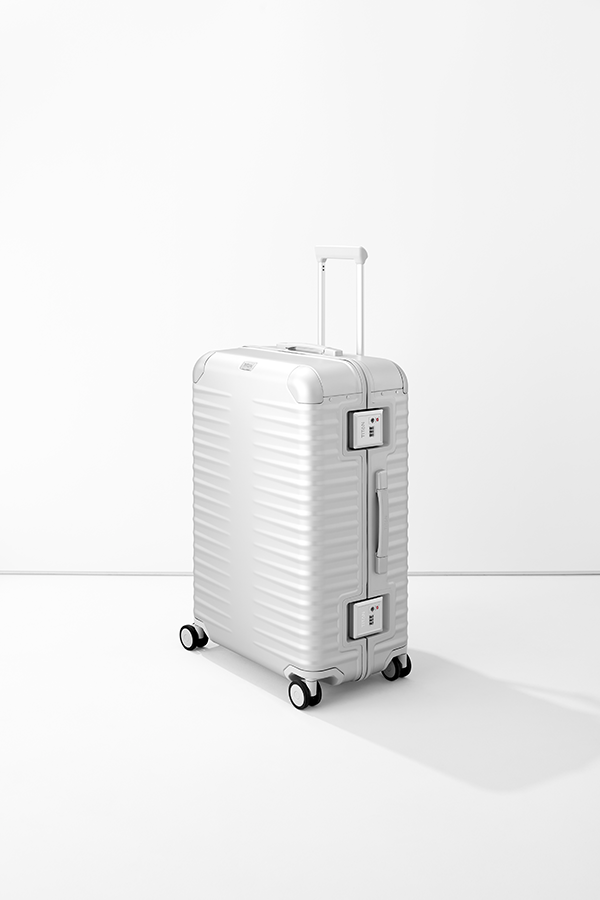
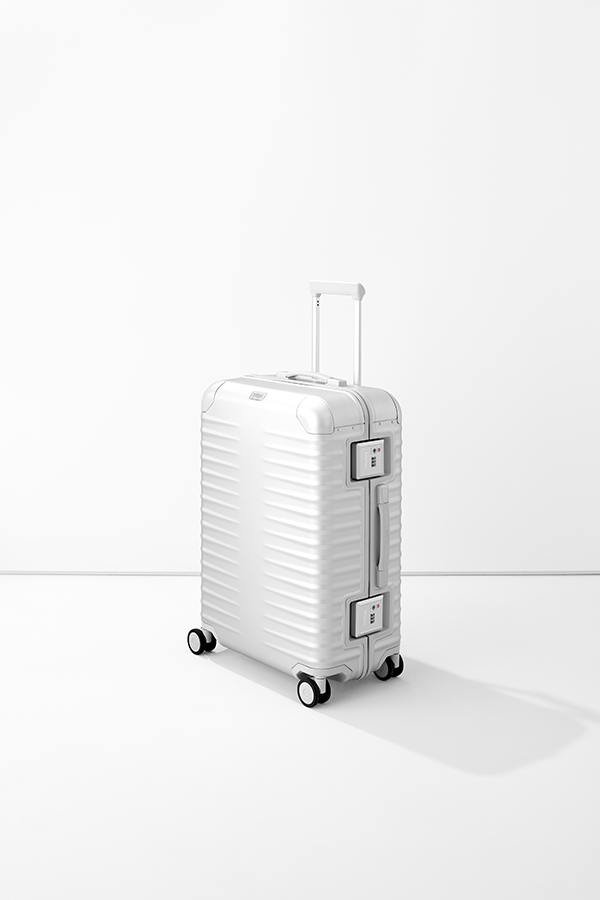
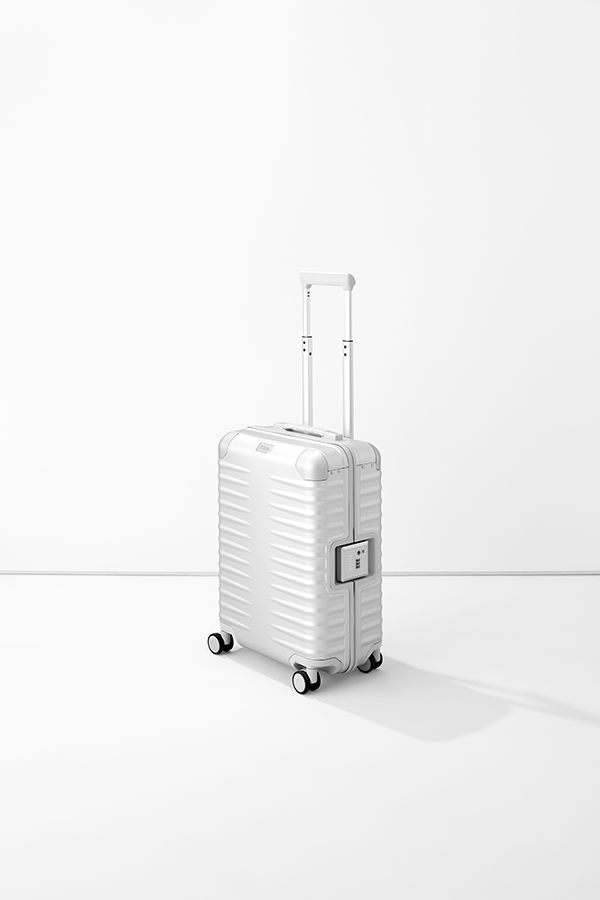
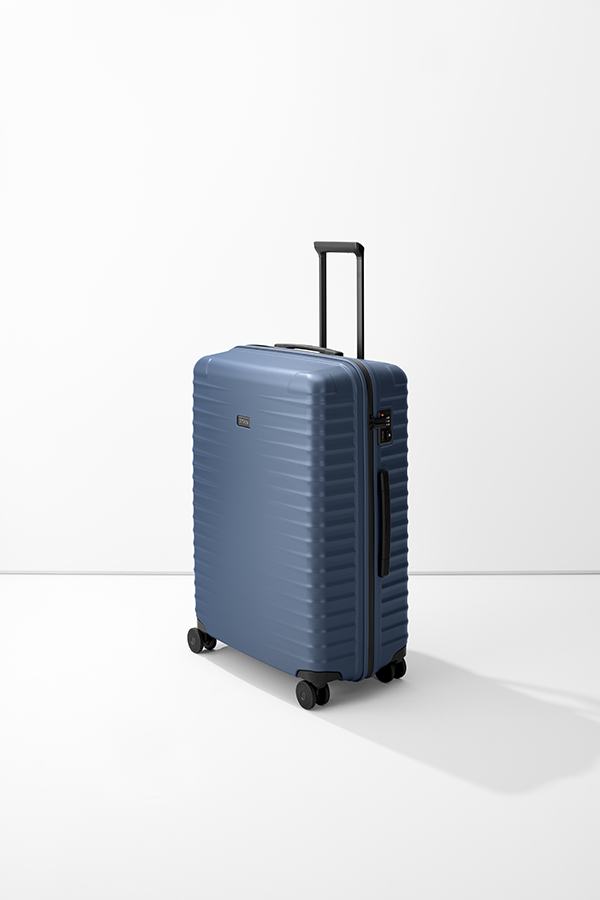
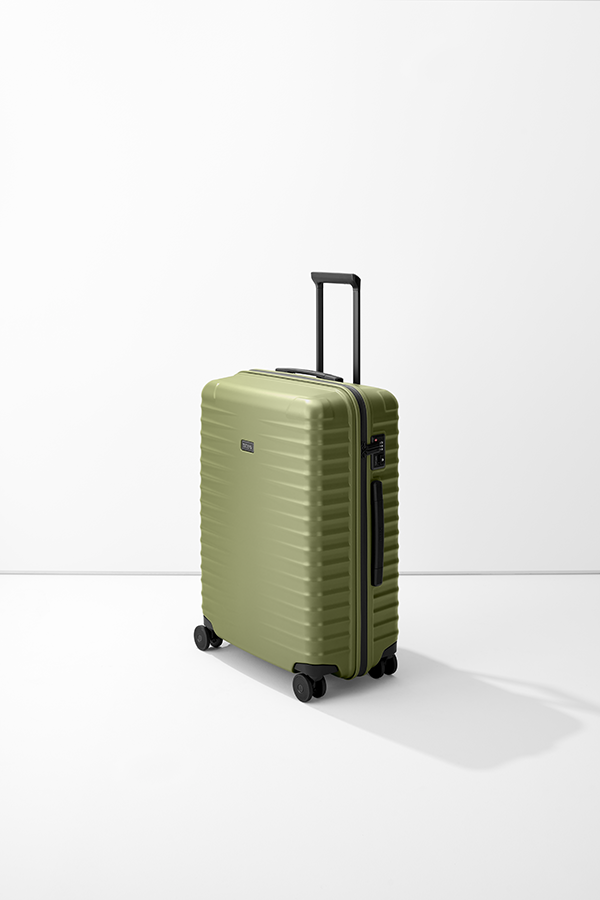
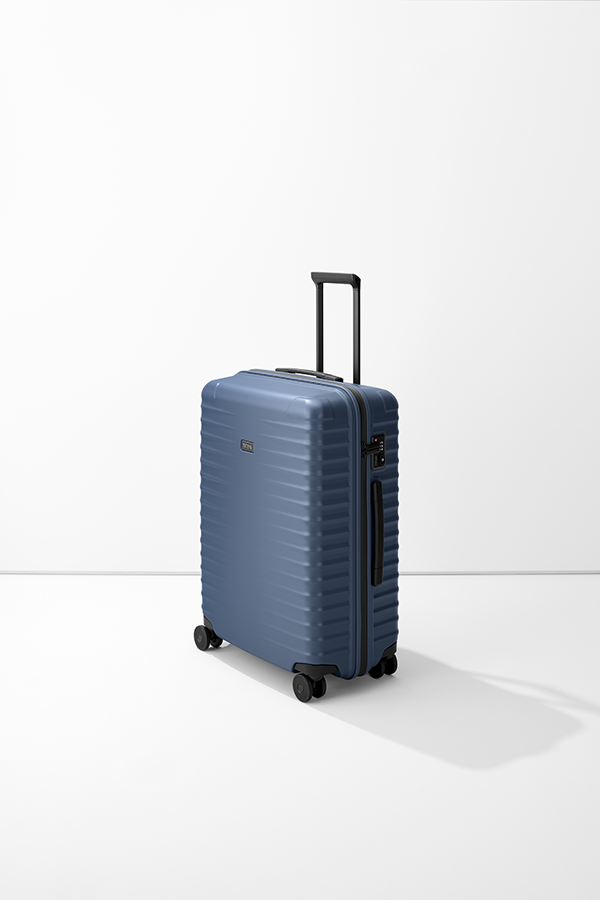
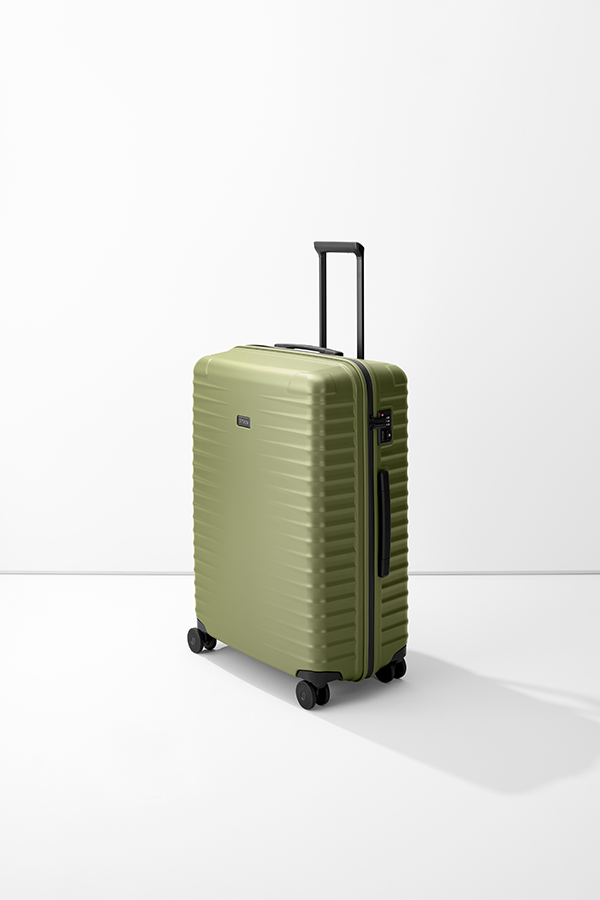
Well-organised hand luggage ensures that all your essentials are safely stowed away and easily accessible. TITAN Cabin suitcases are designed to be easy to handle, even at modern security checkpoints. With precise internal organisation, smooth-rolling wheels and integrated TSA locks, they combine comfort and security – perfect for travellers who value organisation and style.
Routine with style: efficient travel for frequent flyers
Experienced travellers know that composure comes from being organised. If you know the procedures and are well prepared, you’ll reach the gate confidently and without any rush. Good organisation ensures that even very busy airports lose their stress.
Arriving early: Allow plenty of time. For flights within Europe, two hours before departure is a good rule of thumb; for long-haul flights, three hours is better. This allows time for check-in, baggage drop-off and security screening without feeling rushed.
Priority access: Many airports offer separate lanes for frequent flyers or ‘ Business ’ passengers. These so-called priority or fast-lane access points significantly reduce waiting times and make the process much more convenient.
Preparation before security: At security checkpoints using standard X-ray technology, liquids and electronic devices should still be easily accessible. Packing your luggage accordingly saves time and ensures the process runs smoothly and in an orderly manner.
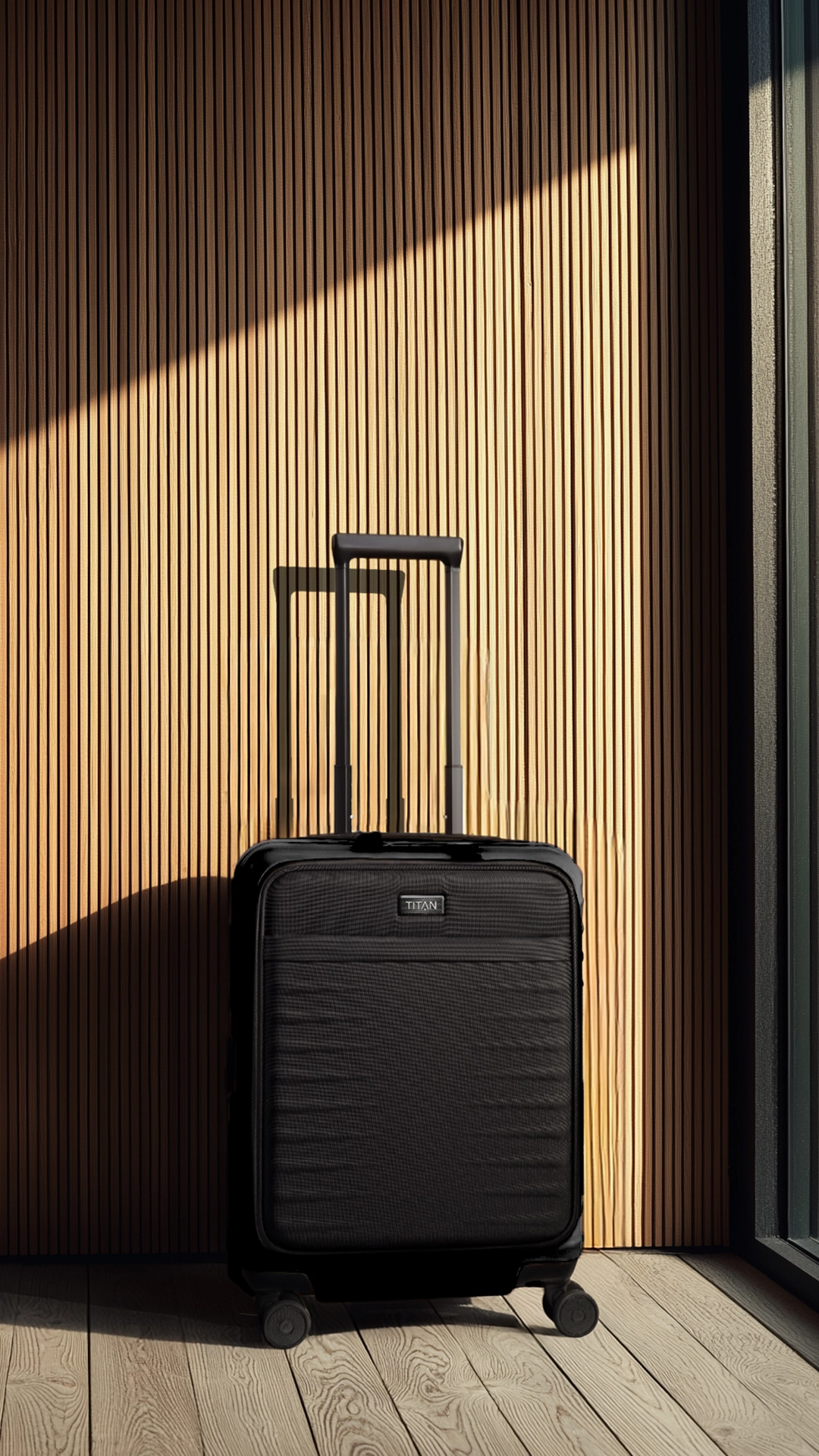
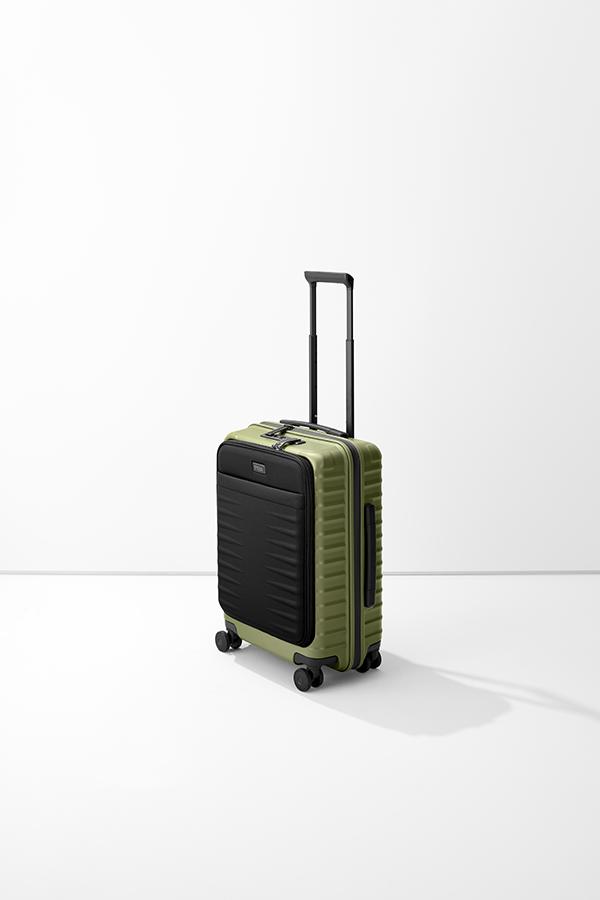
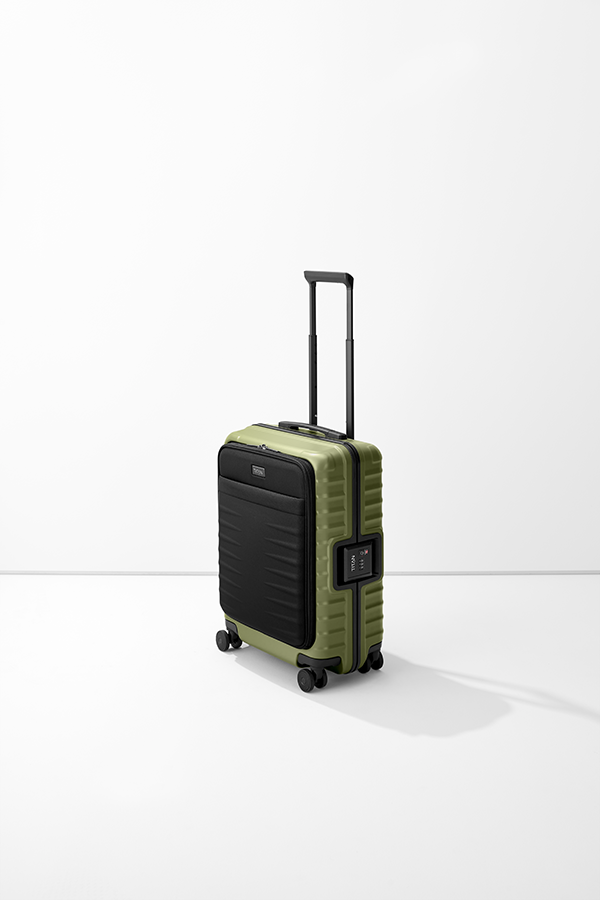
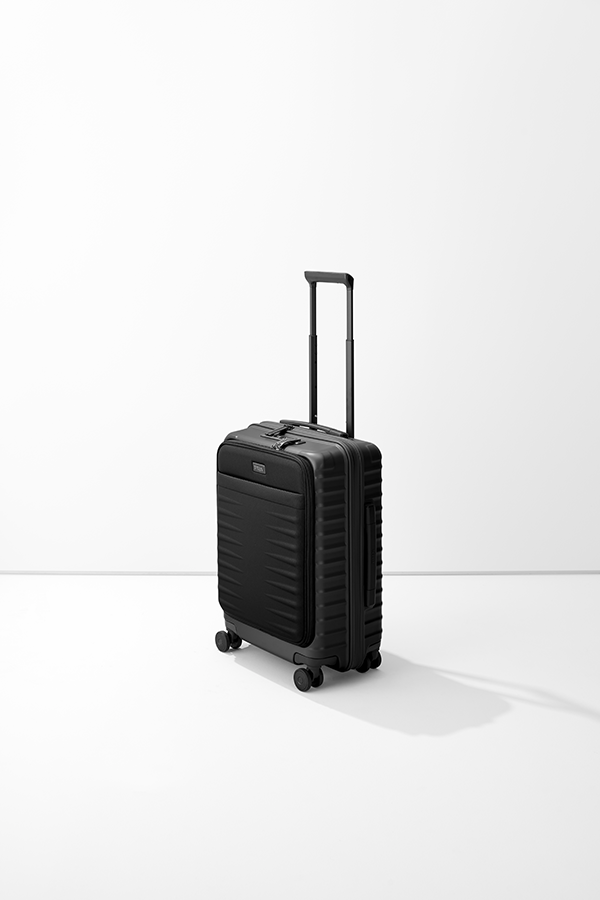
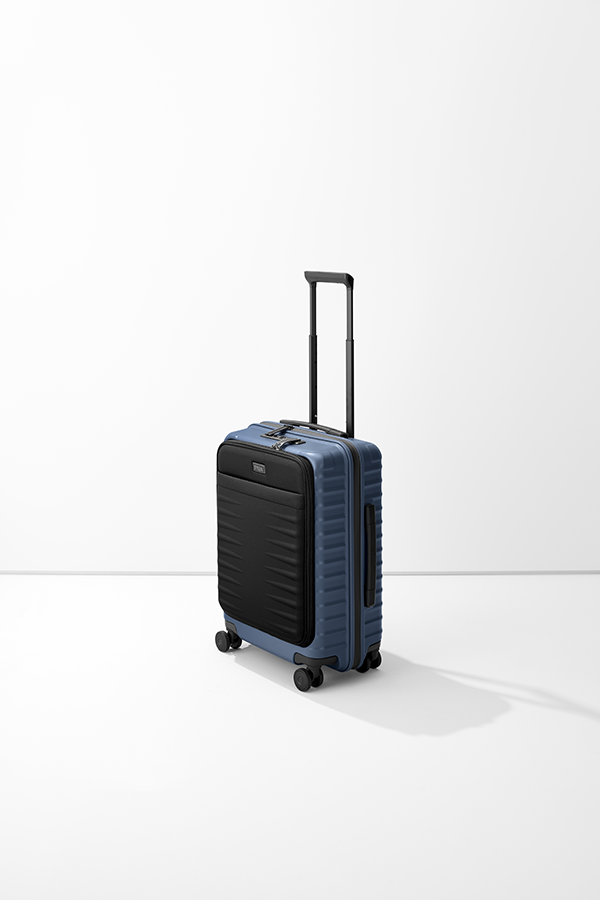
Anyone who travels regularly knows that organisation starts with choosing the right luggage. A ‘Business ’ –Trolley from TITAN – with an integrated front pocket allows quick access to your laptop and travel documents – without having to open your entire hand luggage. This well-designed solution is ideal for frequent flyers who value precision and comfort.
This way, every day at the airport becomes a well-organised routine that instils a sense of calm and confidence – even when the terminals are busy.
From security screening to your destination: travel with clarity and quality
Airport security checks are an integral part of every journey – and with the right preparation, they become a moment of calm rather than a hectic ordeal. If you are familiar with the procedures, pack in an organised manner and choose high-quality materials, you will find the screening process is part of a smooth travel experience. Modern CT scanners make many steps easier and quicker these days, but true ease comes from organisation and clarity.
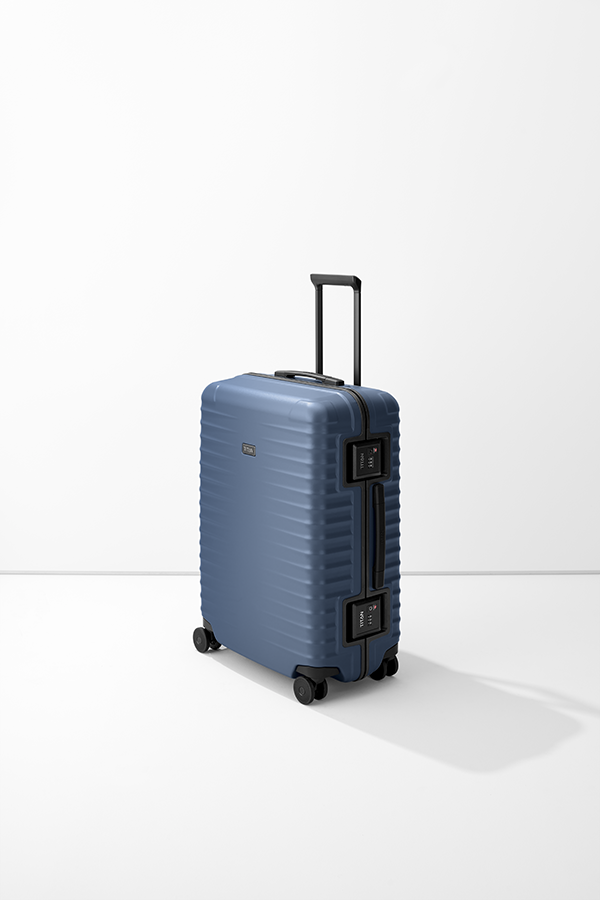
TITAN embodies the same commitment to precision and comfort that also characterises the new security technology. Whether an aluminium suitcase or a hard-shell case, every model combines durability, functionality and timeless design. So every journey begins with a sense of structure – and ends with the feeling of travelling in style and with peace of mind.
Travelling means trust, quality and reliability. That is exactly what TITAN.
Frequently asked questions about security checks
What happens at security?
The security check follows a clear procedure that is structured similarly everywhere. Passengers place their hand luggage in the designated trays and then pass through the security gate. Security staff check solely to ensure that all regulations are being followed. The security check is a structured, routine procedure supported by modern technology and usually takes only a few minutes.
How long does the security check at the airport take?
The duration depends on the time of day, the airport and the technology used. Modern CT scanners significantly speed up the process, as fewer pieces of luggage need to be opened. As a rule, the security check takes between five and twenty minutes. However, during holiday periods or when passenger numbers are high, it may take a little longer. Arriving at the airport in good time means you can stay relaxed and avoid feeling rushed.
Do I still need to take my laptop out?
At airports with CT scanners, laptops and tablets may remain in carry-on luggage, as the devices can be scanned in detail. Where traditional X-ray technology is still in use, electronic devices must continue to be screened separately. It is therefore advisable to store these items within easy reach in the top compartment of your hand luggage.
Do the rules on liquids still apply?
In terminals equipped with CT technology, liquids may remain in hand luggage, as the scanners can clearly identify their contents. At security checkpoints without these devices, the familiar rule still applies: a maximum of 100 millilitres per container in a transparent, resealable one-litre bag. Travellers should always observe this rule, as not all checkpoints are equipped with CT scanners.
What happens during a secondary screening?
If an item cannot be clearly identified on the scanner image, the luggage will be checked manually. Security staff will open the suitcase or bag together with the passenger and check the contents. These follow-up checks usually take only a few minutes and are purely routine.
Are there any differences between domestic and international flights?
The security check is generally the same. However, for international flights, additional passport or document checks often follow, particularly for flights outside the Schengen Area. If you keep all your documents to hand, you will pass through these checks quickly and without delay.
Airport security checks: travel relaxed and confident
Security checks at the airport are a standard part of any air journey and can be a source of anxiety for many travellers. If you organise yourself properly at this stage, you’ll travel with greater peace of mind. Long queues, sorting liquids or removing electronic devices needn’t be a source of stress. With the right preparation and a clear overview, the security check becomes a predictable part of your journey.
Modern technologies such as CT scanners speed up many processes and ensure that security checks are now a much more comfortable experience. However, it is not just the technology that matters, but also how well you organise yourself. If you plan ahead, keep your hand luggage neatly organised and opt for high-quality materials, you’ll be able to navigate even the busiest airports with calm and clarity.
Travelling begins with organisation and ends in style. Those who combine functionality, quality and confidence will also navigate the airport security check without any fuss – and start their journey feeling relaxed.
Precise procedures for safe travel: how security checks work
Security checks at the airport serve to protect passengers and crew. They separate the public area from the secure area and ensure that no prohibited or dangerous items are brought on board the aircraft. In Germany, responsibility lies with the Federal Police, who frequently commission specialist security services to carry out these checks.
A clearly structured process, modern technology and trained staff ensure that every security check is carried out accurately, safely and efficiently.
Security screening procedure
The security check follows a fixed procedure, which is similar at all German airports. First, your boarding pass is checked, then your hand luggage is screened, and finally you are screened. Jackets, belts and metal objects are placed in the trays provided. Liquids and electronic devices are either presented separately – depending on the technology used – or may remain in your luggage.
If you do your research, organise your hand luggage clearly and follow the staff’s instructions, you’ll find the security check is a predictable step on your way to the gate. Staying calm, being organised and having a good-quality suitcase all help to ensure that this part of your journey is as pleasant as the flight itself.
A comparison of X-ray scanners and CT scanners
At the security check, hand luggage is screened using an X-ray or CT scanner. Traditional X-ray scanners produce two-dimensional images, whilst modern CT scanners display the contents in three dimensions and provide a much more precise view. As a result, fewer items of hand luggage need to be opened, which noticeably speeds up the process and makes it more convenient for travellers.
CT scanners are already in use at major airports such as Munich, Frankfurt, Berlin and Hamburg. They mean that liquids and electronic devices can often remain in your hand luggage. However, this technology is not yet available everywhere. At airports with a mix of equipment, whether the new rules apply depends on the specific security lane.
Travellers should therefore always pay attention to the signage and instructions given by security staff. This allows the process to be easily adapted to the equipment available, ensuring that the security check proceeds without unnecessary delays.
Being organised keeps you calm: how to get through security without any hassle
Good preparation starts at home. If you know what is permitted at security and how the procedures work, you’ll travel much more relaxed. Small details determine whether the security process runs smoothly and calmly.
Liquids: At airports equipped with modern CT scanning technology, liquids may remain in hand luggage. However, this rule has not yet been implemented everywhere, which is why the familiar liquids rule still applies. Liquids are only permitted in containers of up to 100 millilitres, packed in a transparent, resealable one-litre bag. If you keep this bag to hand, you can produce it quickly when required.
Electronic devices: The procedure for electronic devices also depends on the technology used. With CT scanners, laptops, tablets and cameras may remain in hand luggage. Where older scanners are still in use, these items must be placed separately in a security tray. It is worth stowing these devices in an easily accessible place in your suitcase or rucksack so that you can retrieve them quickly when needed.
Clothing: Comfortable and practical clothing makes the security check easier. Where possible, avoid belts, jewellery or accessories with metal parts. Shoes that are easy to put on and take off, as well as a jacket with practical pockets, provide extra comfort.
Checklist for security screening
A short checklist helps to ensure you’ve thought of everything:
Boarding pass and ID
Liquid bags in accordance with the 100 ml rule
Laptop or tablet
Jacket, belt and metal objects
Organised hand luggage
If you pack your luggage carefully and are familiar with the applicable rules, you’ll travel with greater peace of mind and reach the gate without any stress. Even if not all security lanes are equipped with CT scanners, this preparation ensures that the process remains orderly and efficient.
Clarity on luggage: what belongs in your hand luggage
Hand luggage is the focus of every security check. The key factor is which items are permitted. Sharp or pointed objects, tools and large containers of liquid must always be placed in your hold luggage. Power banks, rechargeable batteries and sensitive electronic devices should remain in your hand luggage.
With the introduction of CT scanners, passengers at many airports no longer need to remove liquids and electronic devices from their carry-on luggage. This makes the process significantly quicker and more pleasant. Nevertheless, organisation remains important. Transparent bags, clearly divided compartments and sturdy materials ensure everything is easy to find.
Permitted in hand luggage
Not permitted in hand luggage
Liquids up to 100 ml in a 1-litre bag (often left in your hold luggage when passing through CT scanners)
Liquids over 100 ml or unpackaged containers
Laptop, tablet, camera, power bank
Devices with faulty or loose batteries
Solid cosmetic products
Sprays or perfume bottles larger than 100 ml
Medicines in their original packaging, with proof of authorisation for liquids
Liquid medicines over 100 ml without proof
Snacks and solid food
Liquid or creamy foods such as yoghurt or soup
Disposable razors with protective caps
Knives, scissors, tools and sharp objects
Well-organised hand luggage ensures that all your essentials are safely stowed away and easily accessible. TITAN Cabin suitcases are designed to be easy to handle, even at modern security checkpoints. With precise internal organisation, smooth-rolling wheels and integrated TSA locks, they combine comfort and security – perfect for travellers who value organisation and style.
Routine with style: efficient travel for frequent flyers
Experienced travellers know that composure comes from being organised. If you know the procedures and are well prepared, you’ll reach the gate confidently and without any rush. Good organisation ensures that even very busy airports lose their stress.
Arriving early: Allow plenty of time. For flights within Europe, two hours before departure is a good rule of thumb; for long-haul flights, three hours is better. This allows time for check-in, baggage drop-off and security screening without feeling rushed.
Priority access: Many airports offer separate lanes for frequent flyers or ‘ Business ’ passengers. These so-called priority or fast-lane access points significantly reduce waiting times and make the process much more convenient.
Preparation before security: At security checkpoints using standard X-ray technology, liquids and electronic devices should still be easily accessible. Packing your luggage accordingly saves time and ensures the process runs smoothly and in an orderly manner.
Anyone who travels regularly knows that organisation starts with choosing the right luggage. A ‘Business ’ –Trolley from TITAN – with an integrated front pocket allows quick access to your laptop and travel documents – without having to open your entire hand luggage. This well-designed solution is ideal for frequent flyers who value precision and comfort.
This way, every day at the airport becomes a well-organised routine that instils a sense of calm and confidence – even when the terminals are busy.
From security screening to your destination: travel with clarity and quality
Airport security checks are an integral part of every journey – and with the right preparation, they become a moment of calm rather than a hectic ordeal. If you are familiar with the procedures, pack in an organised manner and choose high-quality materials, you will find the screening process is part of a smooth travel experience. Modern CT scanners make many steps easier and quicker these days, but true ease comes from organisation and clarity.
TITAN embodies the same commitment to precision and comfort that also characterises the new security technology. Whether an aluminium suitcase or a hard-shell case, every model combines durability, functionality and timeless design. So every journey begins with a sense of structure – and ends with the feeling of travelling in style and with peace of mind.
Travelling means trust, quality and reliability. That is exactly what TITAN.
Frequently asked questions about security checks
What happens at security?
The security check follows a clear procedure that is structured similarly everywhere. Passengers place their hand luggage in the designated trays and then pass through the security gate. Security staff check solely to ensure that all regulations are being followed. The security check is a structured, routine procedure supported by modern technology and usually takes only a few minutes.
How long does the security check at the airport take?
The duration depends on the time of day, the airport and the technology used. Modern CT scanners significantly speed up the process, as fewer pieces of luggage need to be opened. As a rule, the security check takes between five and twenty minutes. However, during holiday periods or when passenger numbers are high, it may take a little longer. Arriving at the airport in good time means you can stay relaxed and avoid feeling rushed.
Do I still need to take my laptop out?
At airports with CT scanners, laptops and tablets may remain in carry-on luggage, as the devices can be scanned in detail. Where traditional X-ray technology is still in use, electronic devices must continue to be screened separately. It is therefore advisable to store these items within easy reach in the top compartment of your hand luggage.
Do the rules on liquids still apply?
In terminals equipped with CT technology, liquids may remain in hand luggage, as the scanners can clearly identify their contents. At security checkpoints without these devices, the familiar rule still applies: a maximum of 100 millilitres per container in a transparent, resealable one-litre bag. Travellers should always observe this rule, as not all checkpoints are equipped with CT scanners.
What happens during a secondary screening?
If an item cannot be clearly identified on the scanner image, the luggage will be checked manually. Security staff will open the suitcase or bag together with the passenger and check the contents. These follow-up checks usually take only a few minutes and are purely routine.
Are there any differences between domestic and international flights?
The security check is generally the same. However, for international flights, additional passport or document checks often follow, particularly for flights outside the Schengen Area. If you keep all your documents to hand, you will pass through these checks quickly and without delay.
Functional cookies are absolutely necessary for the functionality of the web shop. These cookies assign a unique random ID to your browser so that your unhindered shopping experience can be guaranteed over several page views.
Activated cookies:
Saves which cookies have already been accepted by the user for the first time.
Mollie Payment:
This cookie is used to group all events generated from a unique user session across multiple checkout pages.
Amazon Pay:
The cookie is used for payment transactions via Amazon.
CSRF token:
The CSRF token cookie contributes to your security. It strengthens the security of forms against unwanted hacker attacks.
Cache handling:
The cookie is used to differentiate the cache for different scenarios and page users.
CAPTCHA integration
Timezone:
The cookie is used to provide the system with the user's current time zone.
Information on origin:
The cookie stores the referrer and the first page visited by the user for further use.
Cookie settings:
The cookie is used to store the cookie settings of the site user over several browser sessions.
Session:
The session cookie stores your shopping data over several page views and is therefore essential for your personal shopping experience.
Google Tag Manager debug mode:
Allows to run the Google Tag Manager in debug mode.
Marketing cookies are used to display advertisements on the website in a targeted and individualized manner across multiple page views and browser sessions.
Bing Ads:
This cookie is used by Bing to gather anonymous information on how visitors are using the website.
Customa Tracking:
Stores the identified advertising source (campaign, referrer) for marketing attribution by Customa (Trust in Dialog Services GmbH).
Customa:
This cookie is used by customa (trust in dialog Services GmbH) for marketing and optimization purposes.
Open AI:
Used to measure and optimise our advertising campaigns. In doing so, usage data may be transmitted to OpenAI.
Google Ads Conversion:
We use the Google Ads Conversion Tag for optimised display and performance evaluation of our Google Ads ads (text/discovery ads) in order to show you the most suitable offers in your Google search. This means that adverts in your Google search or in your Google Discovery feed can be optimally tailored to your needs.
Google AdSense:
The cookie is used by Google AdSense to promote advertising efficiency on the website.
Facebook Pixel:
The cookie is used by Facebook to display personalized advertising offers based on user behavior to users of websites that integrate Facebook services.
Adcell:
Adcell uses cookies to analyse visitor traffic on the website. Furthermore, the origin of orders and the interaction of adverts can be tracked.
Google conversion tracking:
In order to show you the most suitable offers in your Google search, we use the Google Ads Conversion Tag for optimized playout and performance evaluation of our Google Ads (text/discovery ads). This way, ads in your Google search or in your Google Discovery feed can be tailored to your needs.
These cookies are used to collect and process information about the use of the website by users, in order to subsequently personalise advertising and/or content in other contexts.
Criteo retargeting:
The cookie is used to enable personalized ads on third party websites based on pages and products viewed.
Tracking cookies help the shop operator to collect and evaluate information about the behaviour of users on their website.
Conversion and usertracking via Google Tag Manager:
Google Tag Manager allows tags to be integrated centrally via a user interface. Tags are small sections of code that can track activities. Script codes from other tools are integrated via the Google Tag Manager. The Tag Manager makes it possible to control when a specific tag is triggered.
Google Analytics:
Google Analytics is used for traffic analysis of the website. Thereby statistics about website activities can be created and read out.
Hotjar:
Hotjar cookies are used to analyze website activities of users. The site user is identified by the cookie over several page views and his or her behavior is analyzed.
These cookies are used to display personalised adverts.
Facebook Pixel:
For the placement and optimization of Facebook ads, you can agree to the integration of the Facebook Pixel in our shop.
These cookies allow the website to provide better functionality and personalisation. They can be set by us or by third-party providers whose services we have added to our pages. The purpose of these cookies is to provide you with a more personalised experience on our Site based on your previous visits and selections.
YouTube video:
This is a video player service. It can be used by the user to watch, share, comment on and upload videos.
StoreLocator:
Allows Google Maps to be loaded on this page.
Welcome to TITAN
To offer you the best possible experience on our website, we use cookies and various technologies. These help us to provide the functions of our pages, customise content and advertisements for you and integrate social media.