Baggage reclaim at the airport – finding your suitcase on the baggage carousel more quickly

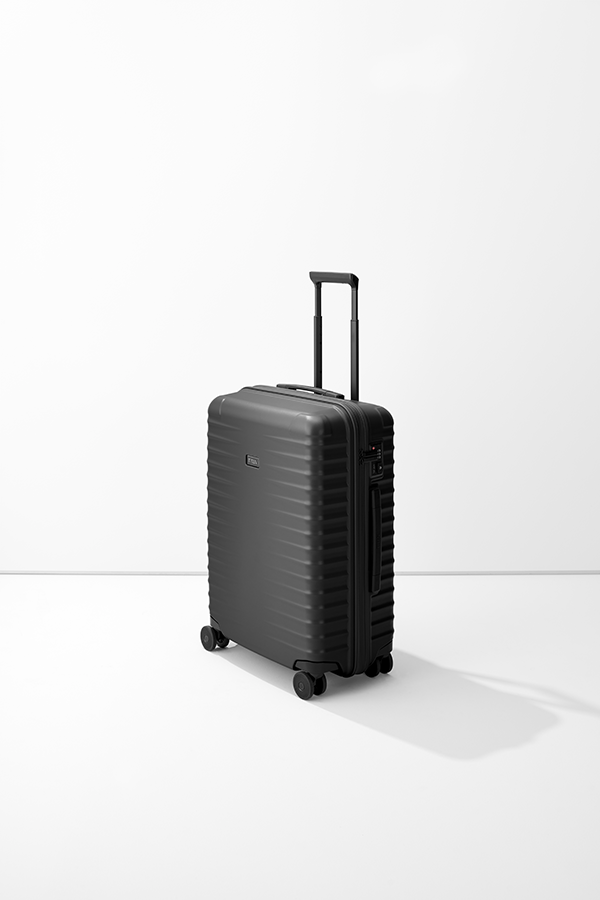
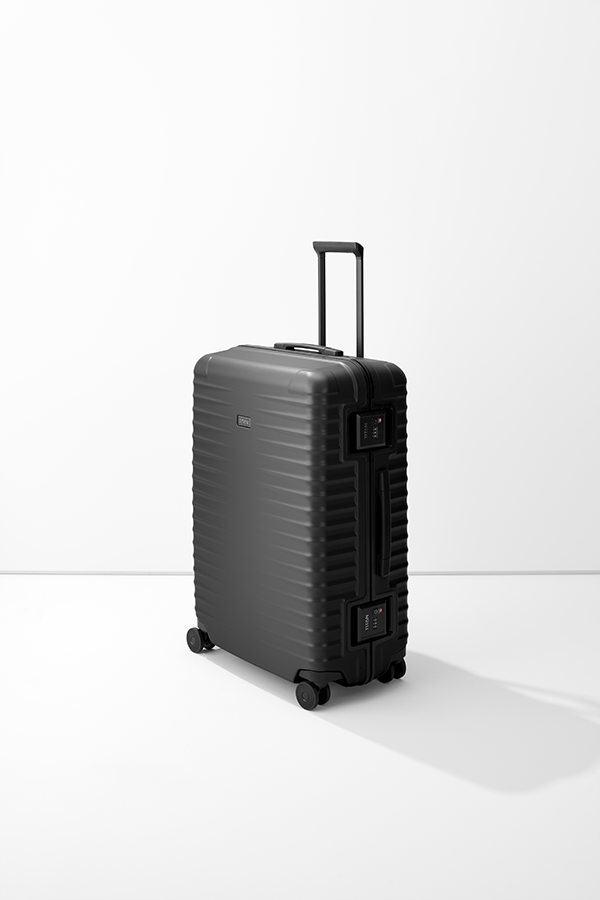
The baggage reclaim marks the end of every flight – a moment that determines how smoothly your arrival goes. As suitcases line up on the baggage carousel, it quickly becomes apparent just how challenging it can be to clearly identify your own luggage. Dark, classic colours in particular tend to blend in visually, making it difficult to spot your own luggage.

It is not just the process itself that determines how long it takes to be reunited with your own suitcase. Its design also plays a key role. Colour, surface finish and visual clarity directly influence how quickly a piece of luggage is spotted. Design thus becomes a functional factor.

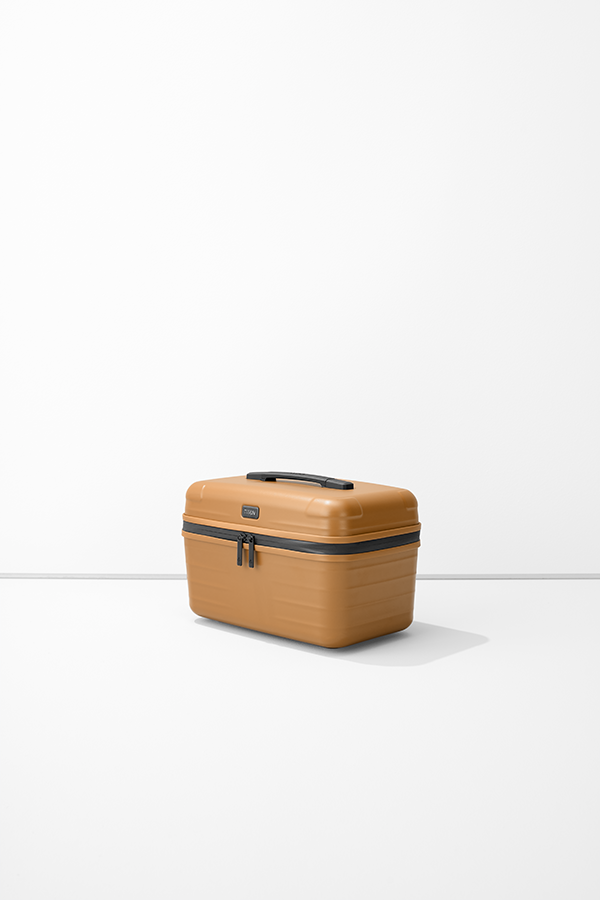
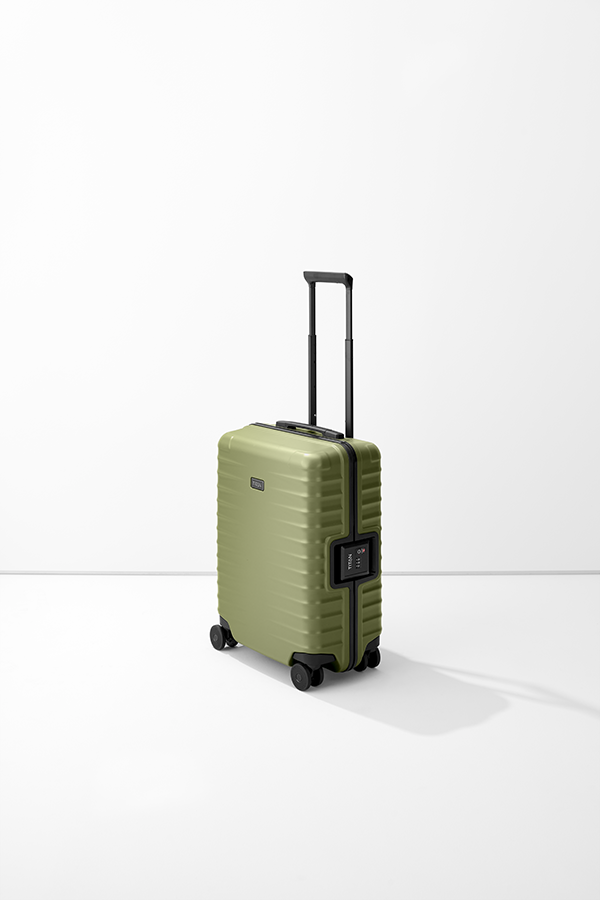
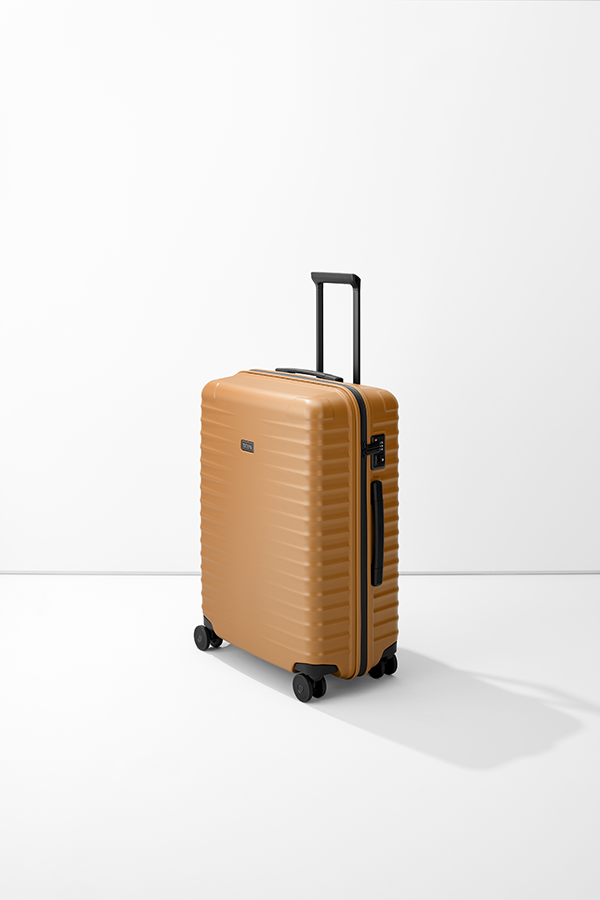
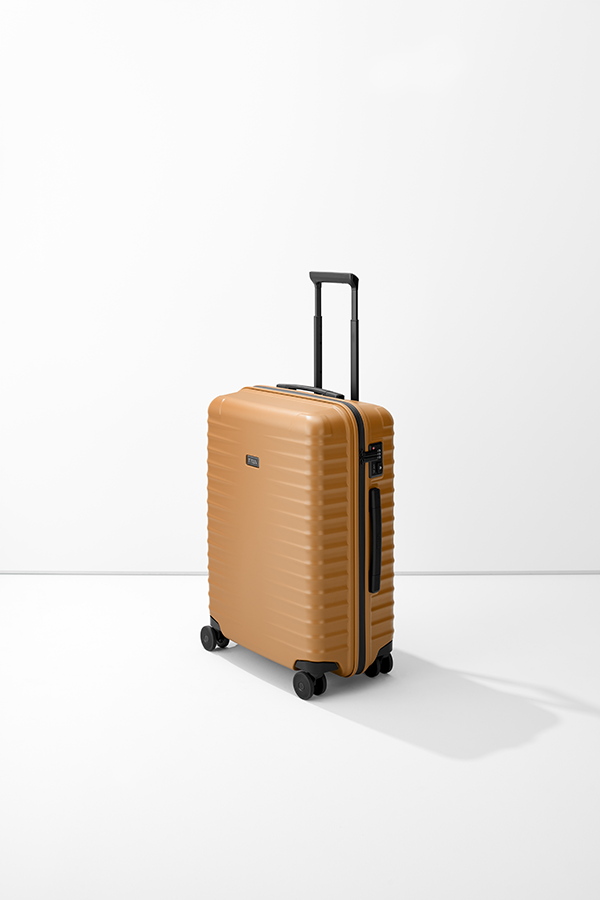
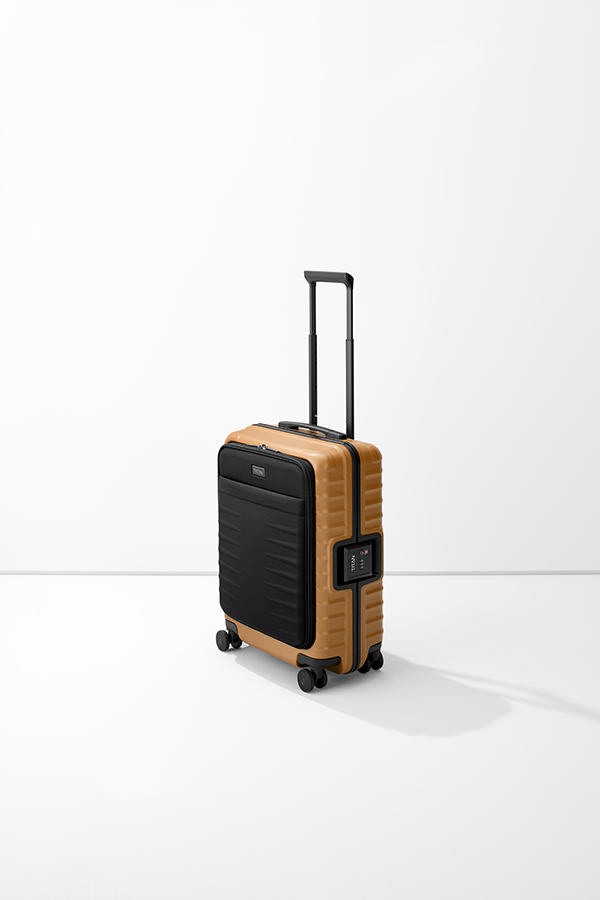
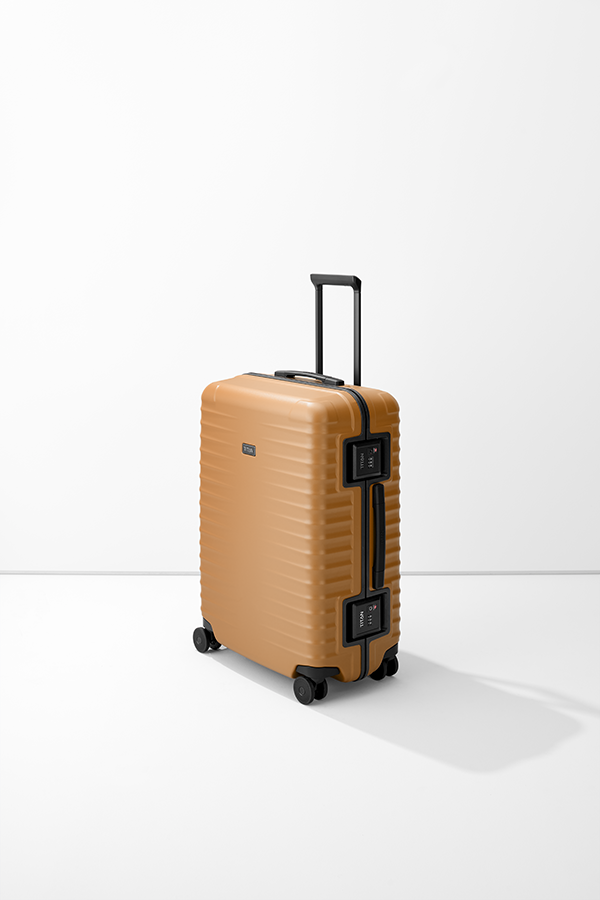
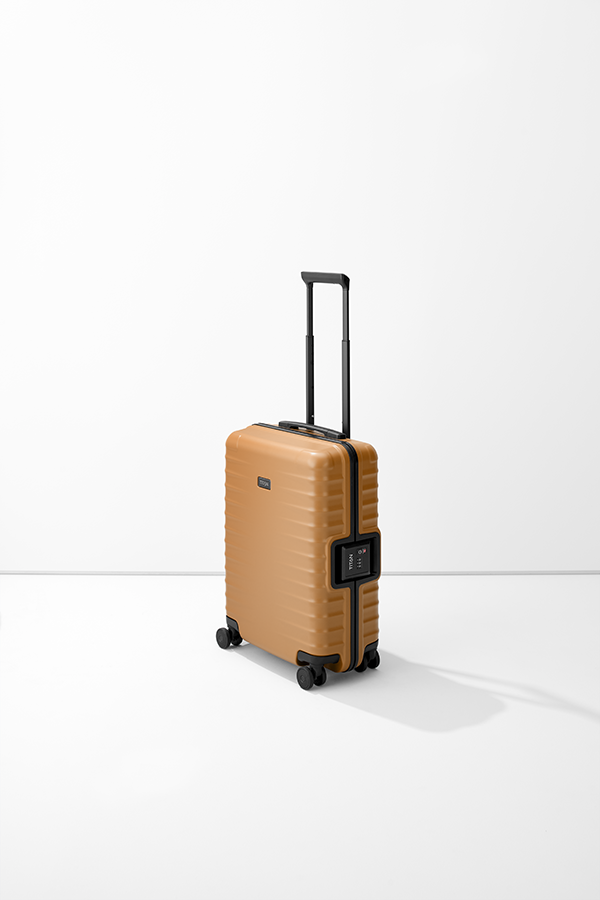
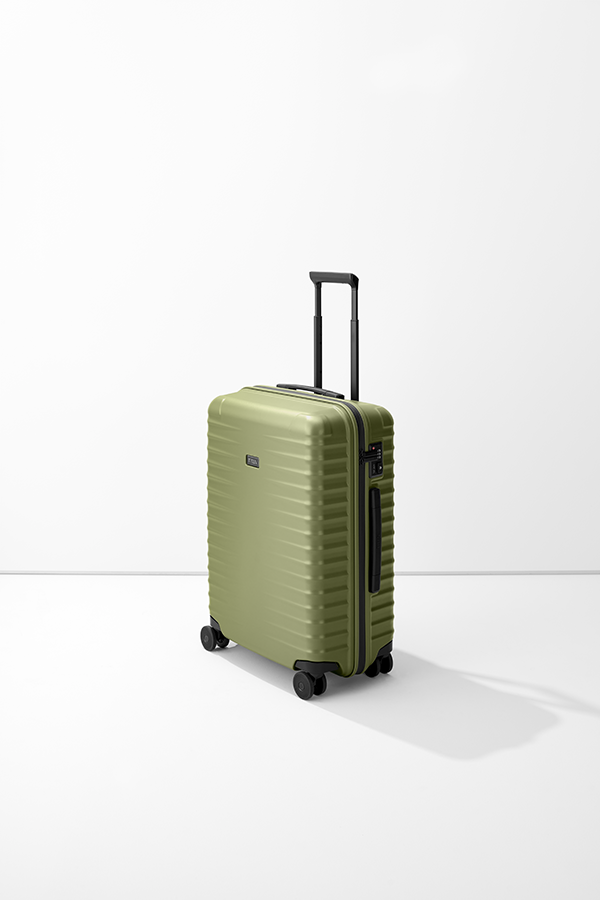
With the accent colour ‘Canyon Bronze’ from the UPGRADE series, TITAN has translated this need into a clear solution. The warm, metallic shade is deliberately designed to stand out from common colours and makes identification on the baggage carousel easier – ensuring a calm and relaxed arrival.

What happens at the baggage reclaim area at the airport?

After landing, a precisely timed process begins for checked luggage, most of which takes place behind the scenes for travellers. It is only at the baggage reclaim area that it becomes apparent just how efficiently these processes interlock – and why the time it takes for the first suitcase to appear can vary significantly from flight to flight.

The process from landing to the baggage carousel

For travellers, the baggage reclaim area often seems like a single moment. In fact, it consists of several consecutive steps that determine the sequence of events leading up to the first suitcase:

  • Unloading the aircraft: Once the aircraft has reached its parking position, the hold is opened and the luggage is unloaded. The order in which this takes place is fixed and depends, amongst other things, on the section of the aircraft where the suitcases were stowed, the type of aircraft being used and how many service vehicles are available at the same time.
  • Sorting and transport to the baggage carousel: Suitcases are loaded onto transport vehicles and taken to the conveyor systems in the arrivals area. There, they are routed to the relevant baggage carousel. Modern, automated systems ensure a structured distribution process; however, high volumes or the simultaneous arrival of several flights can lead to delays.
  • Provision for passengers: Suitcases are placed on the baggage carousel one after the other and set in motion. From this moment onwards, the baggage reclaim area becomes visible to travellers. This is when it is decided how quickly your own suitcase will be recognised – and how long it will take to search through the mass of similar-looking items of luggage.

Why there are often waiting times at the baggage reclaim area

Waiting times are influenced by several uncontrollable factors. The sequence in which luggage is unloaded from the hold determines when individual suitcases are released. Additionally, the volume of checked baggage means that the fuller the flight, the longer the pickup process.

Differences between airports and airlines also play a role. Technical equipment, internal processes and staff availability all influence how quickly the baggage carousel starts moving. For travellers, this means that the actual time spent at the baggage reclaim area is almost impossible to predict – whereas the recognisability of one’s own suitcase is not.

The real problem at the baggage reclaim: suitcases hardly differ from one another

A structural issue with modern suitcases becomes apparent in the baggage reclaim area. Many models are highly similar in shape, material and colour scheme. Uniform designs and muted colours dominate the scene on the baggage carousel, making it difficult to clearly identify your own piece of luggage at first glance. Even high-quality suitcases can get lost in the crowd.

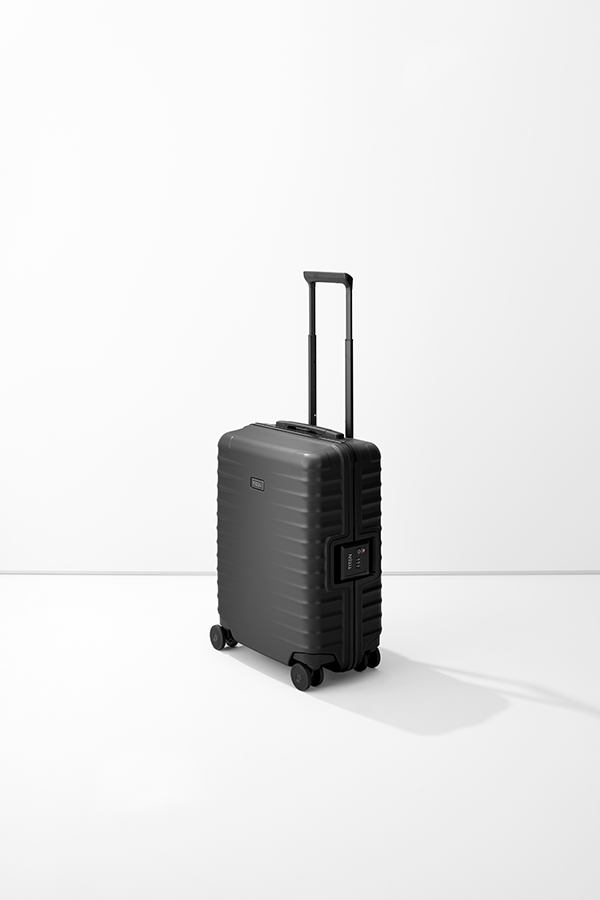
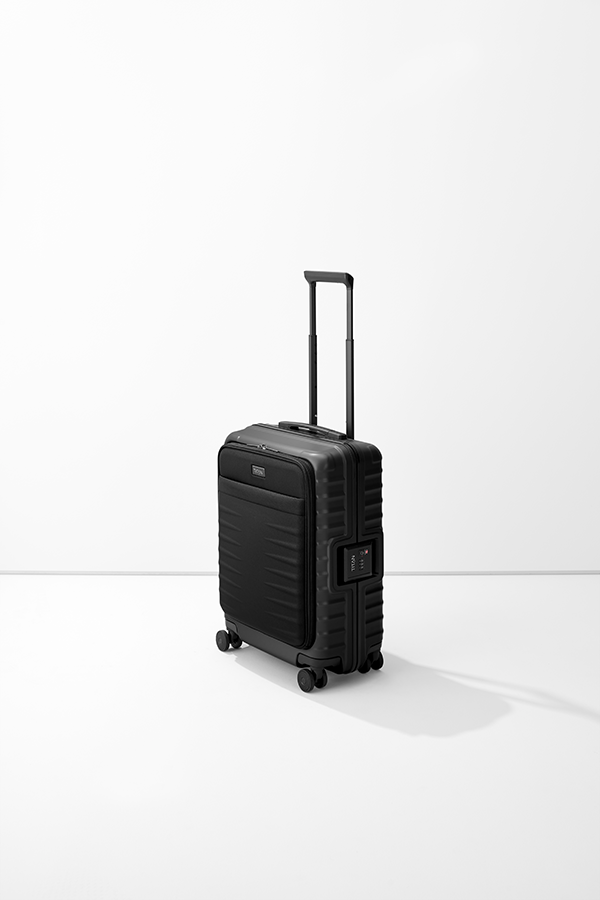
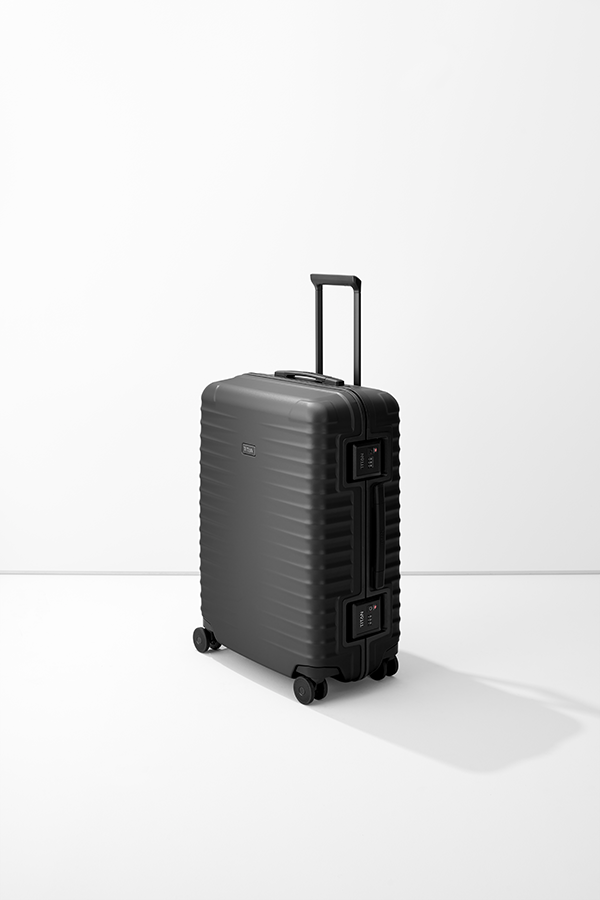
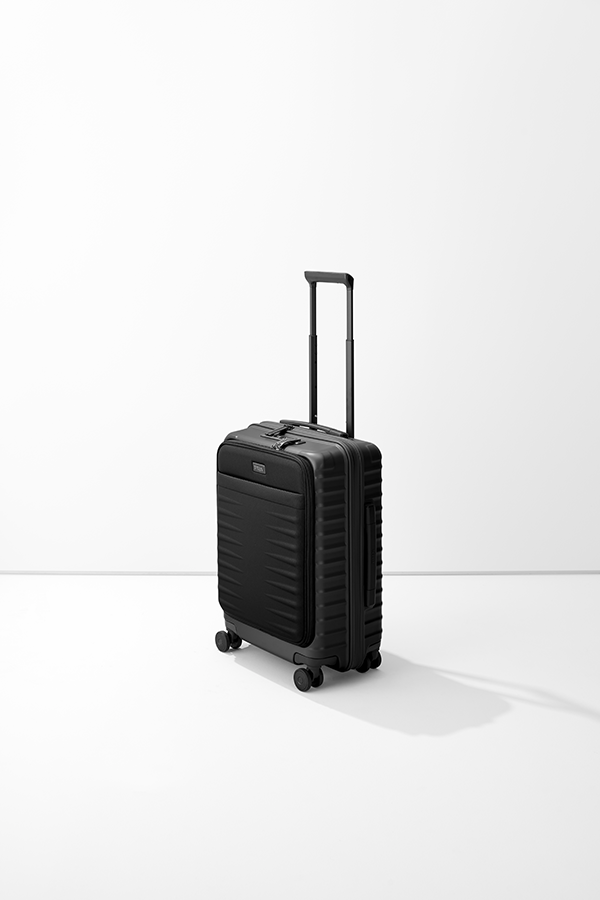
Classic colours such as black and grey symbolise understated elegance and timelessness. However, at the baggage reclaim area, they are less effective for visual identification:

  • High risk of mix-ups: Many hard-shell suitcases differ only in small details such as the logo, lock or surface texture. On the moving baggage carousel, these features are barely noticeable.
  • Longer search times: Travellers let several rounds pass to ensure that it is indeed their own suitcase. This noticeably extends the time spent at the baggage reclaim area.
  • Picking up the wrong suitcase: Suitcases are picked up, briefly checked and put back – a common sight that slows down the whole process.
  • Unnecessary stress after landing: Instead of arriving feeling relaxed, uncertainty sets in. Baggage reclaim can be stressful, particularly when there are large numbers of passengers or after long flights.

Spotting your suitcase on the baggage carousel more quickly – what matters

When many suitcases of identical sizes and similar colours are gathered together at the baggage reclaim, visual distinction determines how quickly they can be identified. Design thus becomes a functional tool. It is not the baggage carousel that determines how long it takes to find a piece of luggage – but rather the clarity with which a suitcase stands out from its surroundings.

Colour as a key factor at the baggage reclaim

The colour of a suitcase has a direct impact on perception and determines how clearly it stands out from its surroundings:

  • Visual perception from a distance: Travellers usually stand a few metres away from the baggage carousel. Colours with a distinct presence can be clearly recognised even from this distance, enabling early identification.
  • Movement on the baggage carousel: Checked-in suitcases are constantly moving along the belt. Striking colours remain clearly visible even as you walk past, whilst dark or very muted colours tend to blend together visually.
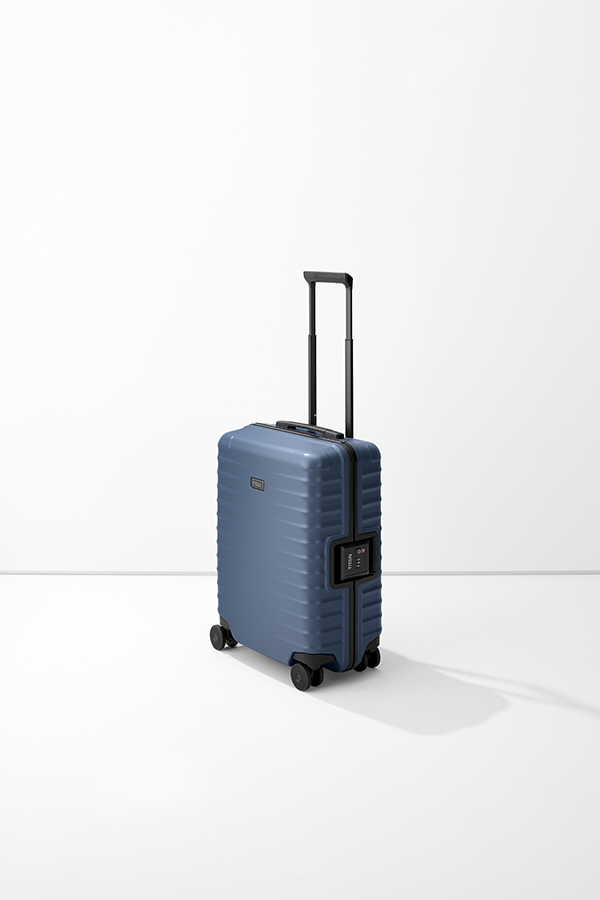
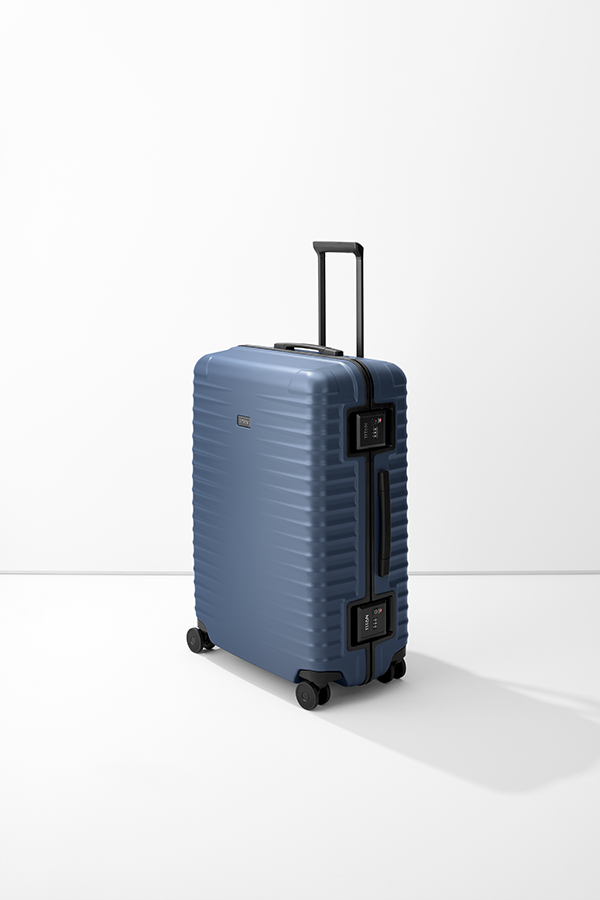
  • Contrast with standard colours: As the majority of luggage is black, grey or dark blue, a clear colour contrast enables immediate identification and reduces the time spent searching.

Why eye-catching colours are advantageous at the baggage reclaim area

A deliberately chosen colour has a direct impact on the process at the baggage reclaim area:

  • Faster identification without repeated checking: Your own suitcase catches your eye sooner and does not need to be checked repeatedly.
  • Lower risk of mix-ups when there is a high volume of luggage: Even when many suitcases arrive at the same time, identification remains unambiguous.
  • Less time at the baggage carousel and a more relaxed end to your arrival: High visibility reduces waiting times and ensures a more relaxed arrival.

Canyon Bronze – visible, distinctive, unmistakable

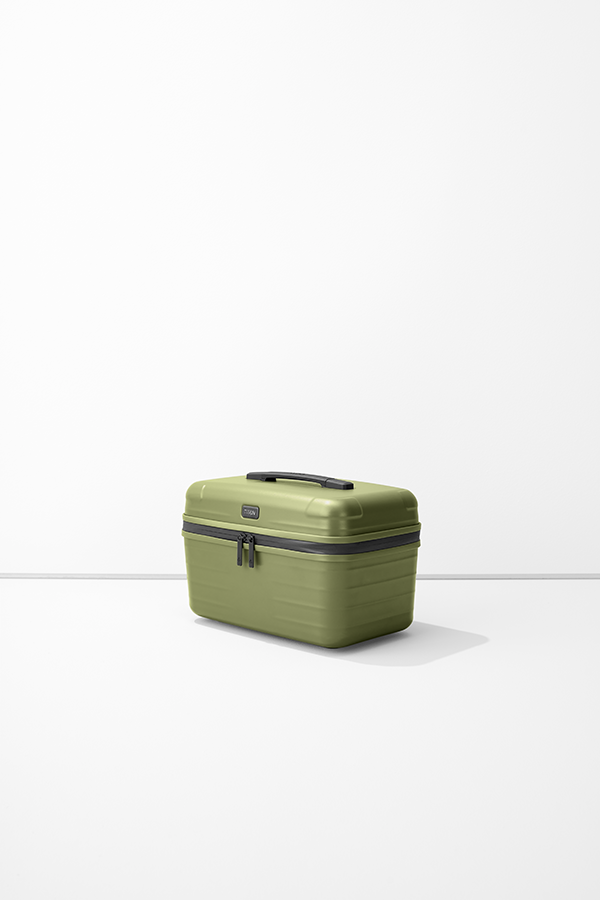
With Canyon Bronze, TITAN translates the functional requirement for visibility into a precisely defined colour palette. The shade has been deliberately developed to stand out clearly from the usual spectrum of classic suitcase colours. Yet it does not appear obtrusive, but rather confident and clear. Here, visibility is achieved not through loudness, but through deliberate differentiation.

The effect of the colour Canyon Bronze on the baggage carousel

On the baggage carousel, Canyon Bronze really comes into its own where visual orientation is key:

  • Warm metallic finish: The finely tuned surface reflects light in a controlled manner and remains visible even under changing lighting conditions. This creates a distinctive visual presence without being dazzling or overpowering.
  • Clear distinction from dark, common colours: While black, grey and dark blue dominate the overall picture, Canyon Bronze delivers a deliberate contrast. This distinction makes it easier to identify your suitcase quickly.
  • High recognisability from different angles: Even when viewed from the side or partially obscured, the colour remains clearly distinguishable. This reduces uncertainty and speeds up identification.

Canyon Bronze compared to classic suitcase colours

A direct comparison highlights the functional impact of colour particularly clearly:

  • A strong visual presence without being obtrusive: The colour stands out clearly without being visually overpowering. It retains its distinctive character whilst remaining balanced.
  • Particularly easy to spot under artificial lighting in arrivals halls: The metallic finish reacts to artificial lighting with controlled reflection and an enhanced sense of depth.
  • Quick recognition even when there is a high volume of luggage: Even when numerous suitcases arrive at the same time, Canyon Bronze remains clearly distinguishable and facilitates immediate identification.

More tips on how to find your own suitcase more quickly at the baggage reclaim area

In addition to the choice of colour, there are other measures that further enhance recognisability. Combined with a clearly defined suitcase colour, this creates a well-thought-out overall concept for better orientation at the baggage reclaim area.

Luggage tags, ribbons and distinctive features

  • Additional support for colour: Discreet luggage tags, coloured ribbons or personalised markings enhance visual differentiation. They aid quick identification, particularly from a short distance.
  • Extra security in the event of mix-ups: Personalised features provide clarity in the details and reduce the risk of suitcases being accidentally swapped – especially when models look similar.

Positioning on the baggage carousel

Your own behaviour also influences how efficiently the baggage reclaim process runs.

  • Ideal positions: A spot slightly set back from the start of the baggage carousel allows you to spot arriving suitcases early and react promptly.
  • A calm overview rather than a frantic search: Standing in one spot with a clear view of the carousel is more effective than constantly moving around. Concentration beats restlessness.

Conclusion: Reduced time spent searching at the baggage reclaim area thanks to enhanced visibility

Baggage reclaim is more than just a logistical process. It is a moment of orientation. Design has a direct influence on this moment – not as a stylistic device, but as a functional element.

A clear, deliberately chosen colour speeds up identification, reduces uncertainty and creates a structured process. With Canyon Bronze from the UPGRADE series, TITAN combines visibility with precision and timeless design. This ensures that the journey does not end with unnecessary waiting, but with a confident, controlled arrival – in the signature style of TITAN.

Frequently asked questions about baggage reclaim

The time baggage reclaim takes varies depending on the airport, airline and how full the flight is. As a rule, the first items of luggage appear around 10 to 30 minutes after landing. Factors such as the order in which cargo is unloaded, the number of checked suitcases and the arrival of other flights at the same time can affect this timeframe.
The sequence in which luggage is stowed on the aircraft largely determines when it is unloaded. Bags from different sections of the hold are not unloaded simultaneously. Additionally, operational workflows or high throughput within the baggage-handling system can cause delays.
Dark colours such as black or grey dominate the overall view on the baggage carousel. As many travellers use similar models, this creates a uniform appearance in which individual suitcases hardly stand out. Small differences in detail are difficult to perceive when the carousel is moving, which delays identification.
A clearly distinguishable suitcase colour significantly improves visual allocation. The greater the visual contrast between your luggage and the surrounding items, the faster it can be identified. Additional personal features such as luggage tags or subtle markings can further enhance recognisability.

Baggage reclaim at the airport – finding your suitcase on the baggage carousel more quickly

The baggage reclaim marks the end of every flight – a moment that determines how smoothly your arrival goes. As suitcases line up on the baggage carousel, it quickly becomes apparent just how challenging it can be to clearly identify your own luggage. Dark, classic colours in particular tend to blend in visually, making it difficult to spot your own luggage.

It is not just the process itself that determines how long it takes to be reunited with your own suitcase. Its design also plays a key role. Colour, surface finish and visual clarity directly influence how quickly a piece of luggage is spotted. Design thus becomes a functional factor.

With the accent colour ‘Canyon Bronze’ from the UPGRADE series, TITAN has translated this need into a clear solution. The warm, metallic shade is deliberately designed to stand out from common colours and makes identification on the baggage carousel easier – ensuring a calm and relaxed arrival.

What happens at the baggage reclaim area at the airport?

After landing, a precisely timed process begins for checked luggage, most of which takes place behind the scenes for travellers. It is only at the baggage reclaim area that it becomes apparent just how efficiently these processes interlock – and why the time it takes for the first suitcase to appear can vary significantly from flight to flight.

The process from landing to the baggage carousel

For travellers, the baggage reclaim area often seems like a single moment. In fact, it consists of several consecutive steps that determine the sequence of events leading up to the first suitcase:

  • Unloading the aircraft: Once the aircraft has reached its parking position, the hold is opened and the luggage is unloaded. The order in which this takes place is fixed and depends, amongst other things, on the section of the aircraft where the suitcases were stowed, the type of aircraft being used and how many service vehicles are available at the same time.
  • Sorting and transport to the baggage carousel: Suitcases are loaded onto transport vehicles and taken to the conveyor systems in the arrivals area. There, they are routed to the relevant baggage carousel. Modern, automated systems ensure a structured distribution process; however, high volumes or the simultaneous arrival of several flights can lead to delays.
  • Provision for passengers: Suitcases are placed on the baggage carousel one after the other and set in motion. From this moment onwards, the baggage reclaim area becomes visible to travellers. This is when it is decided how quickly your own suitcase will be recognised – and how long it will take to search through the mass of similar-looking items of luggage.

Why there are often waiting times at the baggage reclaim area

Waiting times are influenced by several uncontrollable factors. The sequence in which luggage is unloaded from the hold determines when individual suitcases are released. Additionally, the volume of checked baggage means that the fuller the flight, the longer the pickup process.

Differences between airports and airlines also play a role. Technical equipment, internal processes and staff availability all influence how quickly the baggage carousel starts moving. For travellers, this means that the actual time spent at the baggage reclaim area is almost impossible to predict – whereas the recognisability of one’s own suitcase is not.

The real problem at the baggage reclaim: suitcases hardly differ from one another

A structural issue with modern suitcases becomes apparent in the baggage reclaim area. Many models are highly similar in shape, material and colour scheme. Uniform designs and muted colours dominate the scene on the baggage carousel, making it difficult to clearly identify your own piece of luggage at first glance. Even high-quality suitcases can get lost in the crowd.

Classic colours such as black and grey symbolise understated elegance and timelessness. However, at the baggage reclaim area, they are less effective for visual identification:

  • High risk of mix-ups: Many hard-shell suitcases differ only in small details such as the logo, lock or surface texture. On the moving baggage carousel, these features are barely noticeable.
  • Longer search times: Travellers let several rounds pass to ensure that it is indeed their own suitcase. This noticeably extends the time spent at the baggage reclaim area.
  • Picking up the wrong suitcase: Suitcases are picked up, briefly checked and put back – a common sight that slows down the whole process.
  • Unnecessary stress after landing: Instead of arriving feeling relaxed, uncertainty sets in. Baggage reclaim can be stressful, particularly when there are large numbers of passengers or after long flights.

Spotting your suitcase on the baggage carousel more quickly – what matters

When many suitcases of identical sizes and similar colours are gathered together at the baggage reclaim, visual distinction determines how quickly they can be identified. Design thus becomes a functional tool. It is not the baggage carousel that determines how long it takes to find a piece of luggage – but rather the clarity with which a suitcase stands out from its surroundings.

Colour as a key factor at the baggage reclaim

The colour of a suitcase has a direct impact on perception and determines how clearly it stands out from its surroundings:

  • Visual perception from a distance: Travellers usually stand a few metres away from the baggage carousel. Colours with a distinct presence can be clearly recognised even from this distance, enabling early identification.
  • Movement on the baggage carousel: Checked-in suitcases are constantly moving along the belt. Striking colours remain clearly visible even as you walk past, whilst dark or very muted colours tend to blend together visually.
  • Contrast with standard colours: As the majority of luggage is black, grey or dark blue, a clear colour contrast enables immediate identification and reduces the time spent searching.

Why eye-catching colours are advantageous at the baggage reclaim area

A deliberately chosen colour has a direct impact on the process at the baggage reclaim area:

  • Faster identification without repeated checking: Your own suitcase catches your eye sooner and does not need to be checked repeatedly.
  • Lower risk of mix-ups when there is a high volume of luggage: Even when many suitcases arrive at the same time, identification remains unambiguous.
  • Less time at the baggage carousel and a more relaxed end to your arrival: High visibility reduces waiting times and ensures a more relaxed arrival.

Canyon Bronze – visible, distinctive, unmistakable

With Canyon Bronze, TITAN translates the functional requirement for visibility into a precisely defined colour palette. The shade has been deliberately developed to stand out clearly from the usual spectrum of classic suitcase colours. Yet it does not appear obtrusive, but rather confident and clear. Here, visibility is achieved not through loudness, but through deliberate differentiation.

The effect of the colour Canyon Bronze on the baggage carousel

On the baggage carousel, Canyon Bronze really comes into its own where visual orientation is key:

  • Warm metallic finish: The finely tuned surface reflects light in a controlled manner and remains visible even under changing lighting conditions. This creates a distinctive visual presence without being dazzling or overpowering.
  • Clear distinction from dark, common colours: While black, grey and dark blue dominate the overall picture, Canyon Bronze delivers a deliberate contrast. This distinction makes it easier to identify your suitcase quickly.
  • High recognisability from different angles: Even when viewed from the side or partially obscured, the colour remains clearly distinguishable. This reduces uncertainty and speeds up identification.

Canyon Bronze compared to classic suitcase colours

A direct comparison highlights the functional impact of colour particularly clearly:

  • A strong visual presence without being obtrusive: The colour stands out clearly without being visually overpowering. It retains its distinctive character whilst remaining balanced.
  • Particularly easy to spot under artificial lighting in arrivals halls: The metallic finish reacts to artificial lighting with controlled reflection and an enhanced sense of depth.
  • Quick recognition even when there is a high volume of luggage: Even when numerous suitcases arrive at the same time, Canyon Bronze remains clearly distinguishable and facilitates immediate identification.

More tips on how to find your own suitcase more quickly at the baggage reclaim area

In addition to the choice of colour, there are other measures that further enhance recognisability. Combined with a clearly defined suitcase colour, this creates a well-thought-out overall concept for better orientation at the baggage reclaim area.

Luggage tags, ribbons and distinctive features

  • Additional support for colour: Discreet luggage tags, coloured ribbons or personalised markings enhance visual differentiation. They aid quick identification, particularly from a short distance.
  • Extra security in the event of mix-ups: Personalised features provide clarity in the details and reduce the risk of suitcases being accidentally swapped – especially when models look similar.

Positioning on the baggage carousel

Your own behaviour also influences how efficiently the baggage reclaim process runs.

  • Ideal positions: A spot slightly set back from the start of the baggage carousel allows you to spot arriving suitcases early and react promptly.
  • A calm overview rather than a frantic search: Standing in one spot with a clear view of the carousel is more effective than constantly moving around. Concentration beats restlessness.

Conclusion: Reduced time spent searching at the baggage reclaim area thanks to enhanced visibility

Baggage reclaim is more than just a logistical process. It is a moment of orientation. Design has a direct influence on this moment – not as a stylistic device, but as a functional element.

A clear, deliberately chosen colour speeds up identification, reduces uncertainty and creates a structured process. With Canyon Bronze from the UPGRADE series, TITAN combines visibility with precision and timeless design. This ensures that the journey does not end with unnecessary waiting, but with a confident, controlled arrival – in the signature style of TITAN.

Frequently asked questions about baggage reclaim

The time baggage reclaim takes varies depending on the airport, airline and how full the flight is. As a rule, the first items of luggage appear around 10 to 30 minutes after landing. Factors such as the order in which cargo is unloaded, the number of checked suitcases and the arrival of other flights at the same time can affect this timeframe.
The sequence in which luggage is stowed on the aircraft largely determines when it is unloaded. Bags from different sections of the hold are not unloaded simultaneously. Additionally, operational workflows or high throughput within the baggage-handling system can cause delays.
Dark colours such as black or grey dominate the overall view on the baggage carousel. As many travellers use similar models, this creates a uniform appearance in which individual suitcases hardly stand out. Small differences in detail are difficult to perceive when the carousel is moving, which delays identification.
A clearly distinguishable suitcase colour significantly improves visual allocation. The greater the visual contrast between your luggage and the surrounding items, the faster it can be identified. Additional personal features such as luggage tags or subtle markings can further enhance recognisability.

Discover our products

Discover our products