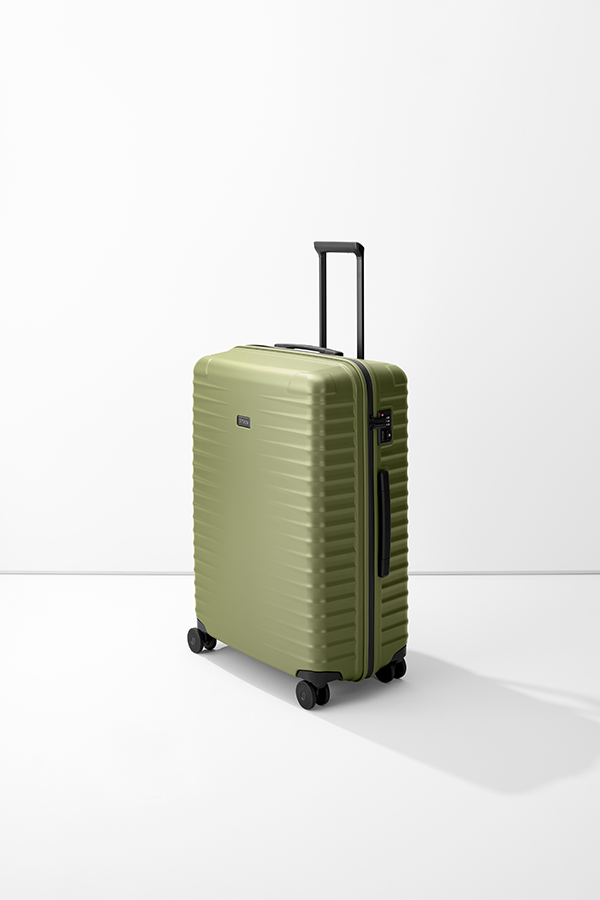
Packing your suitcase the smart way: travel relaxed and confident
Packing your suitcase is part of every trip and, for many, a source of anxiety. What to take, what to leave at home, and how to fit everything in without the clothes arriving creased? Yet it’s the very first moment of the journey. If you approach it with a clear system, you’ll set off feeling more relaxed.
If you plan ahead, make well-considered choices and opt for a suitcase with a well-designed interior layout, you’ll travel more relaxed and, upon arrival at your destination, be able to open your suitcase and see everything at a glance rather than having to rummage around.
Packing your suitcase starts before you pick up the first item of clothing
The most common mistake when packing a suitcase is to start filling it too early. If you open your suitcase before you’ve finalised what to take, you’ll quickly lose track of what’s inside and end up taking more than you need.
It makes more sense to lay out all your clothes and belongings on the bed first. This gives you a complete overview and makes it easier to leave things behind. A packing list helps you to ensure you don’t forget anything whilst also helping you to be more selective. If you start a week before departure, you’ll spot any gaps in good time: a missing charging cable, an item of clothing that hasn’t been washed yet.
You can pack your toiletries bag and cosmetics the day before. Anything you’ll still need on the morning of departure should be packed last. This way, packing your suitcase remains a stress-free process.
One decision you should have made before you even start packing: hand luggage suitcase or hold luggage? If you’re travelling with hand luggage only, you’ll need a different strategy to someone checking a large check-in suitcase in. This decision determines how rigorous your selection process needs to be.
Less, but the right things: the 5-4-3-2-1 rule for packing your suitcase
The 5-4-3-2-1 rule is a tried-and-tested method for organising your choice of clothing and avoiding excess baggage from the outset. It provides clear guidance for a trip lasting around a week:
- 5 items of outerwear (T-shirts, shirts, blouses)
- 4 sets of underwear and socks
- 3 pairs of trousers or skirts
- 2 pairs of shoes
- 1 jacket or coat
This rule works because it forces you to plan your outfits in advance, rather than packing on the basis of ‘I might wear this’. If you consistently choose pieces that can be mixed and matched, you’ll get by with significantly less without having to go without anything whilst travelling. For shorter trips, the rule can be scaled down; for longer stays, you simply add a few individual items for each additional week.
Packing calculator: How much suitcase capacity do you really need?
Before you start packing, it’s worth asking yourself: is your suitcase big enough for everything you need to take with you? Simply enter your suitcase’s volume in litres and click through your packing list – the calculator will immediately show you how much space your clothes, shoes and toiletries really take up and whether everything will fit in your suitcase. This way, you’ll know in advance whether you need to go for a larger size or whether it’s better to leave out a layer of clothing.
Heavy items first, delicate items on top: packing your suitcase systematically
The way you place items in your suitcase affects not only the available space but also the condition of your clothes after the journey. A well-thought-out order makes all the difference when packing your suitcase: between arriving with creased clothes and having a wardrobe ready to wear straight away.
Heavy items belong in the suitcase first, as close as possible to the wheel axle: shoes, toiletries bag, heavy accessories. This stabilises the suitcase while rolling and prevents the weight from pressing on delicate garments. Shoes can be slotted into one another to save space and packed in shoe bags so that the rest of the suitcase stays clean.
On top of that come medium-weight items: folded or rolled jeans, jumpers and sturdier clothing. Delicate pieces that should arrive crease-free go in last, well supported by the layers underneath.
Gaps can be filled deliberately. Socks go into shoes, belts are laid flat along the edge of the suitcase. This leaves little unused space, and the contents hardly shift even on longer journeys.
Three methods, one goal: storing clothes in your suitcase without creases
There is no universally right way to pack a suitcase. Which method is best depends on the garment and on how you want it to arrive.
- Rolling is the most space-saving method and is suitable for T-shirts, underwear, light trousers and thin jumpers. Rolled clothes can be stacked compactly and also fill narrow areas in the suitcase well. This method is less recommended for finer fabrics.
- Folding is suitable for structured garments such as blazers, shirts or suit jackets. If you fold these neatly and place them with the collar facing upwards, you protect their shape better than by rolling them.
- Bundling is the most time-consuming, but the most effective method for crease-prone clothing. Several garments are wrapped into one another, stabilise each other and arrive with hardly any creases. Particularly useful for travellers who go straight from arrival to an appointment.
In practice, a combination of all three methods is most effective: rolled items fill the hollow spaces, folded items lie neatly in the middle, bundled items go on top.
Interior features that think along: packing your suitcase with TITAN
Packing tips only work as well as the suitcase supports them. A suitcase without internal structure is one large compartment in which everything shifts around. Anyone who has experienced how carefully stacked clothes have slipped after an hour in the hold knows how much the interior features matter when packing a suitcase.
TITAN hard-shell suitcases come with a well-designed interior system that structures packing from the very start:
- Y-shape strap system: The Y-shaped straps keep the contents securely in place even during rougher transport. No shifting, no resorting at your destination.
- Packing plate: It separates the suitcase contents into two levels. Delicate garments go on top, heavy and bulky items underneath. This protects against creases and gives you an immediate overview when opening the suitcase.
- Lockable divider: It separates the suitcase into two separate areas and is particularly practical when several people are travelling together or valuables need to be stored safely and separately.
This feature is not a comfort extra, but a packing system. If you understand your suitcase as a tool, you pack faster, more clearly and arrive with a result that still looks presentable even after twelve hours of travel.
Packing your suitcase with foresight: keeping weight and baggage rules in mind
Every flight has weight limits, and anyone who knows them plans more calmly. For checked baggage, the 158-cm rule often applies, in which the length, width and height of the suitcase are added together. For hand luggage dimensions, most European airlines allow a maximum of 55 × 40 × 20 cm as well as a weight limit between 8 and 12 kilograms, depending on the airline.
Weight can be saved above all with cosmetics and care products. Refillable travel bottles noticeably reduce weight compared with taking original packaging with you. If you are travelling for longer, many products can be bought again at your destination.
One consideration that is worthwhile: if you are travelling with several people, you can split certain items. One person takes the sun cream, another the insect repellent. Anything that cannot be shared goes in travel size.
Anyone who consciously chooses the suitcase size is also making a decision about the baggage itself. A suitcase that suits the trip does not tempt you to fill it to the limit.
Every trip is different: packing your suitcase according to the situation
Not every trip places the same demands on luggage. Three situations where a separate strategy is worthwhile:
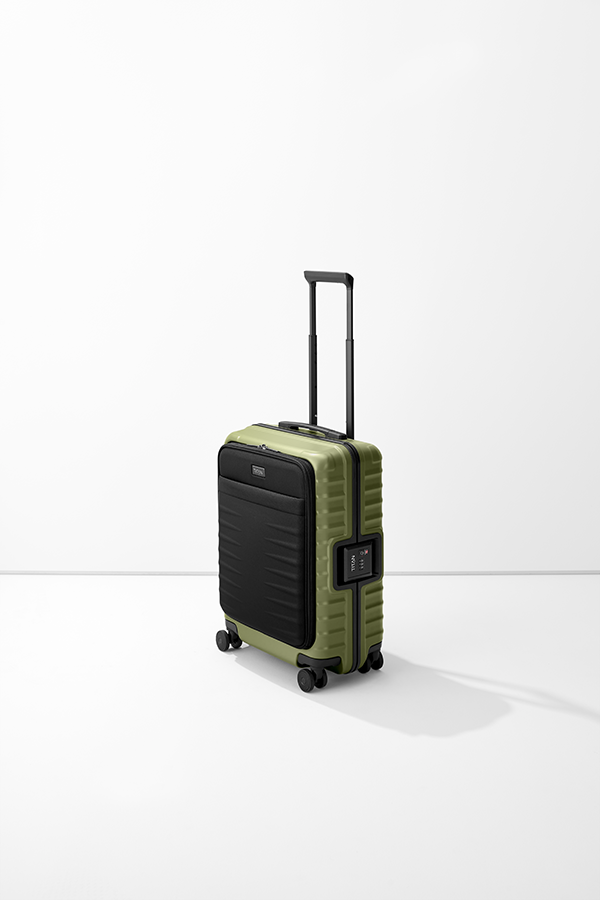
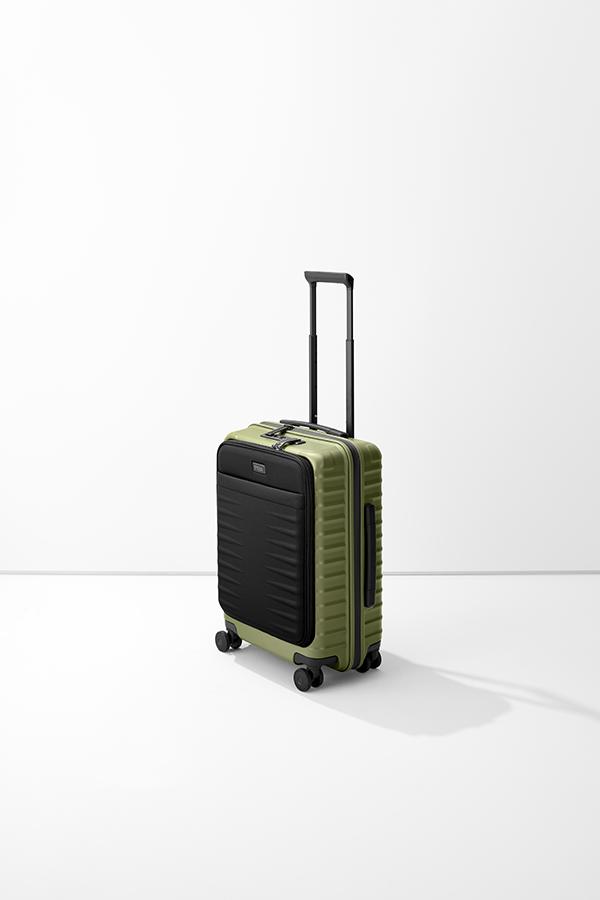
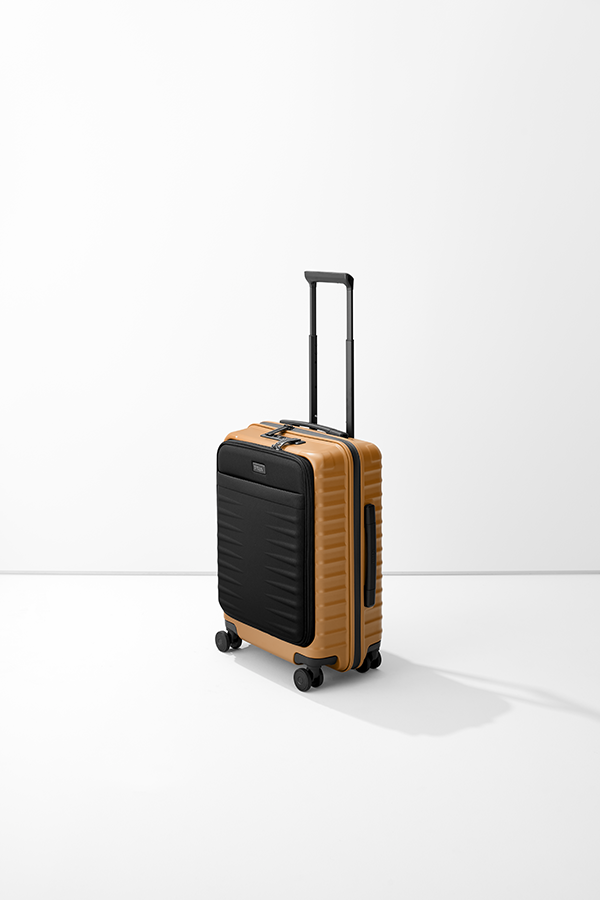
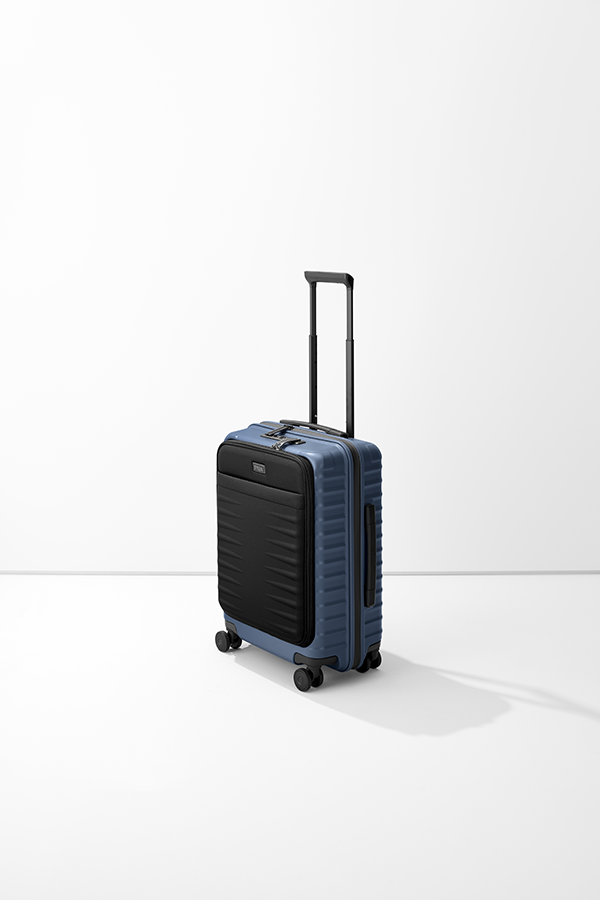
- Business trip: Quick access and a crease-free arrival take priority. The TITAN Business-Trolleys with integrated front pocket keeps your laptop, boarding pass and documents separate and immediately to hand. Shirts and suit jackets go bundled or folded right at the top. Anyone going straight from the airport to an appointment has no time for steaming clothes.
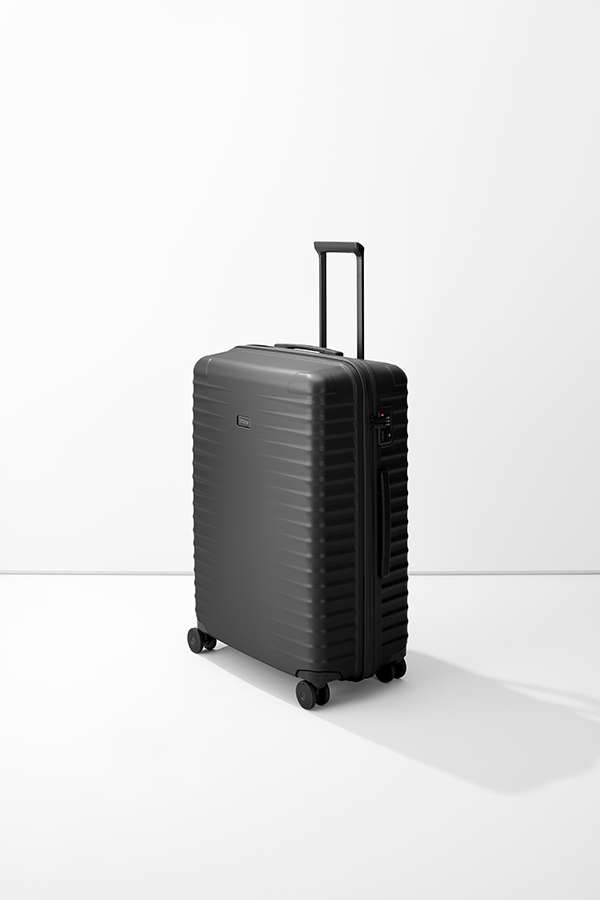
- Family holiday: A large suitcase with a lockable divider can be cleanly divided by person. This way, everyone knows where their things are without having to rummage through the entire contents.
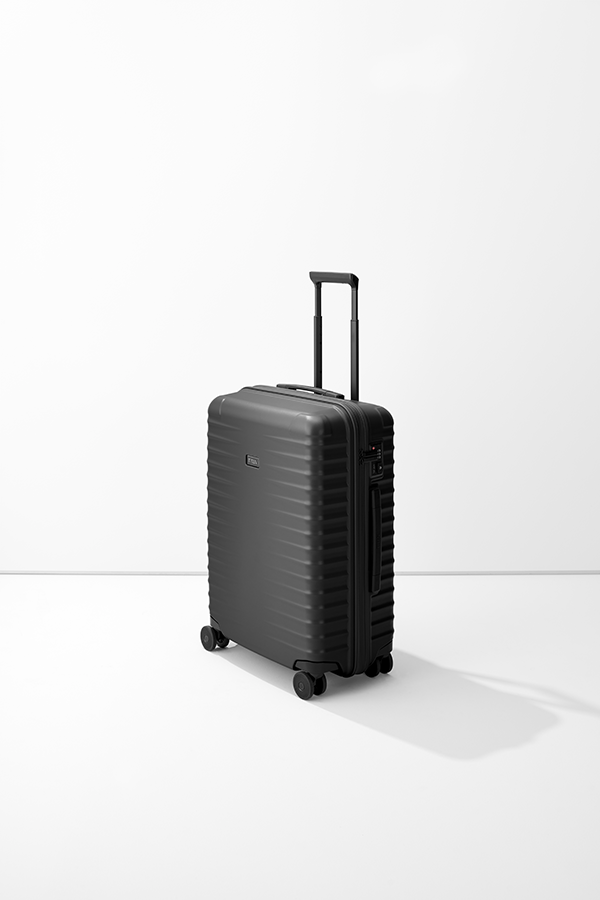
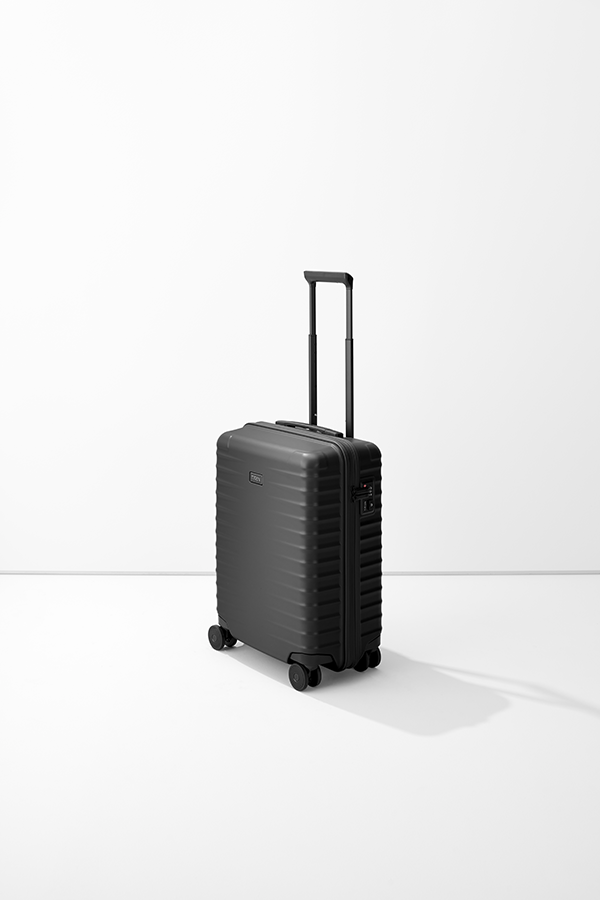
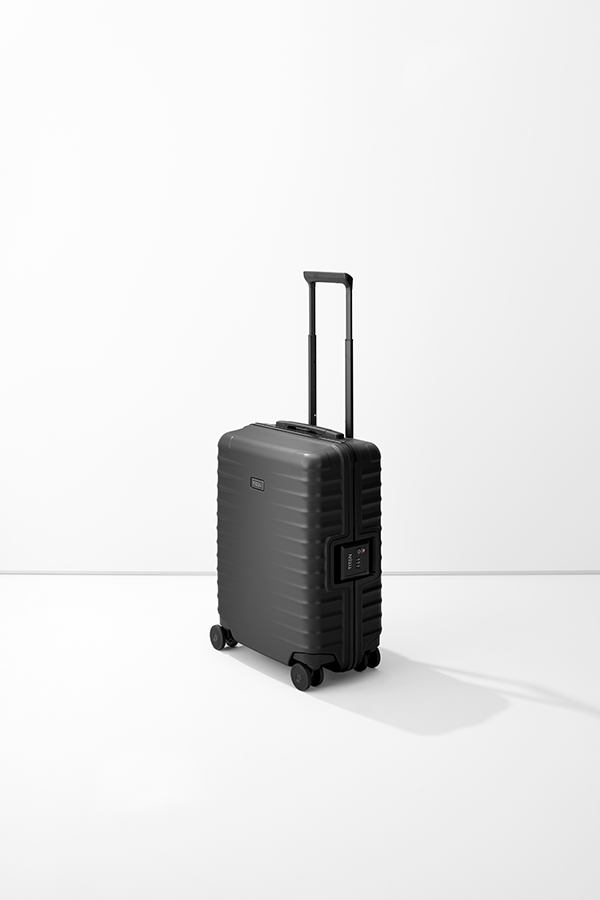
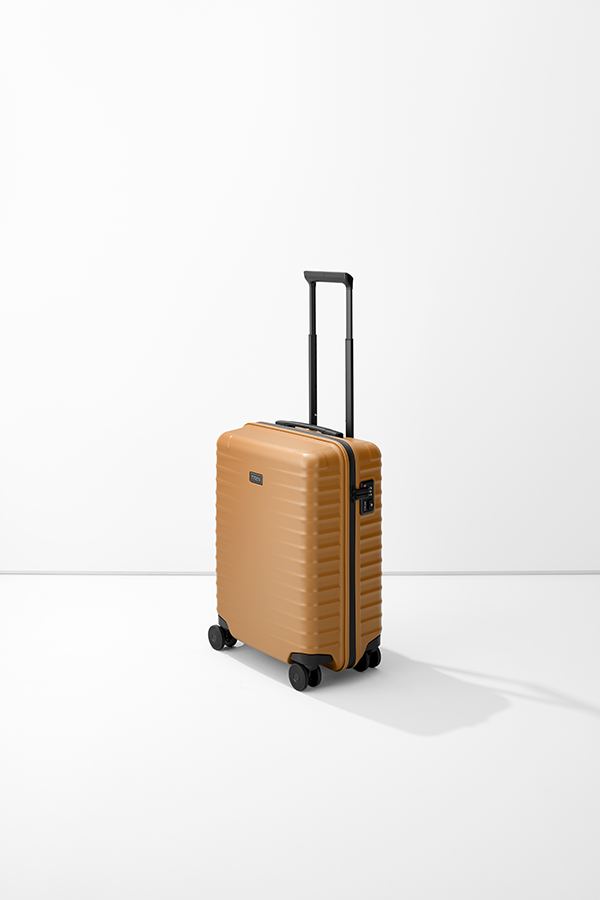
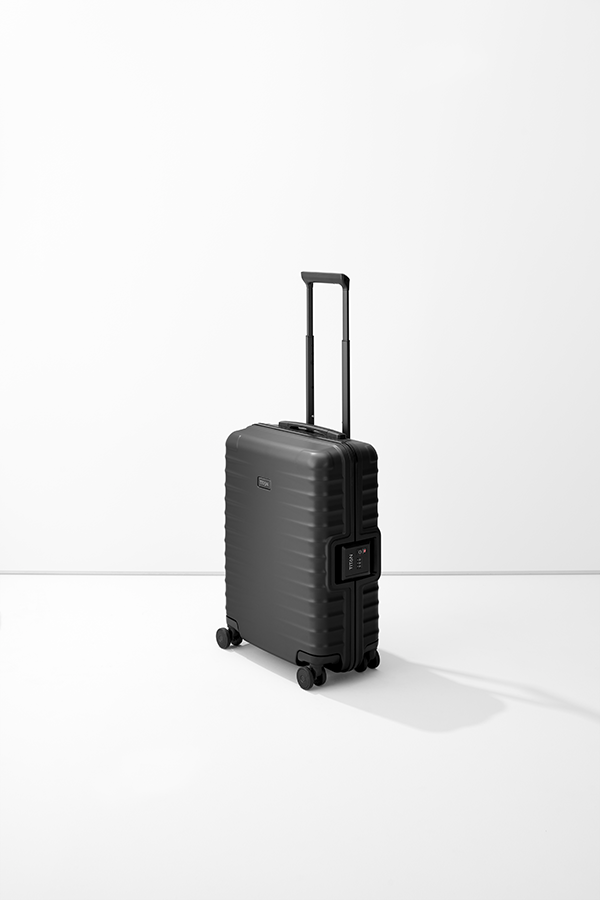
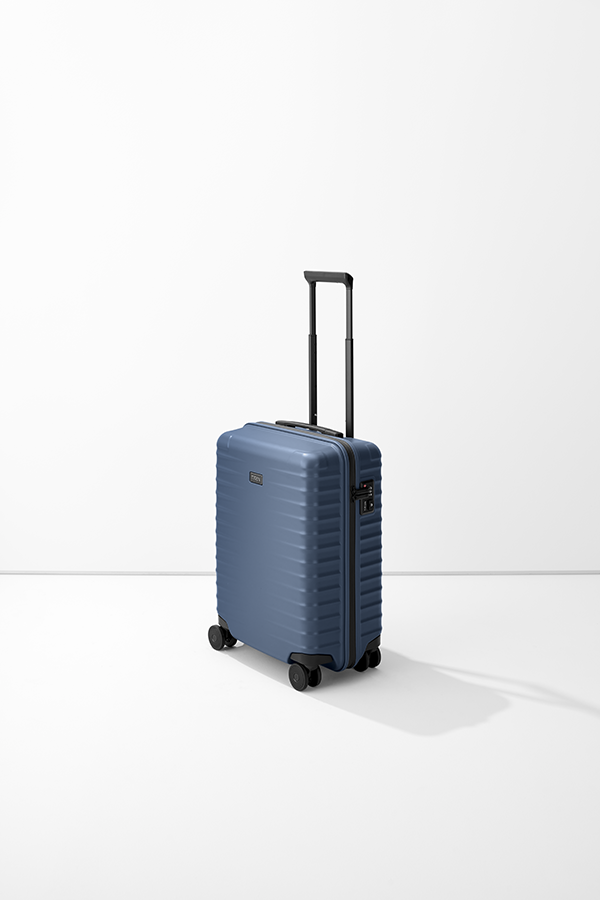
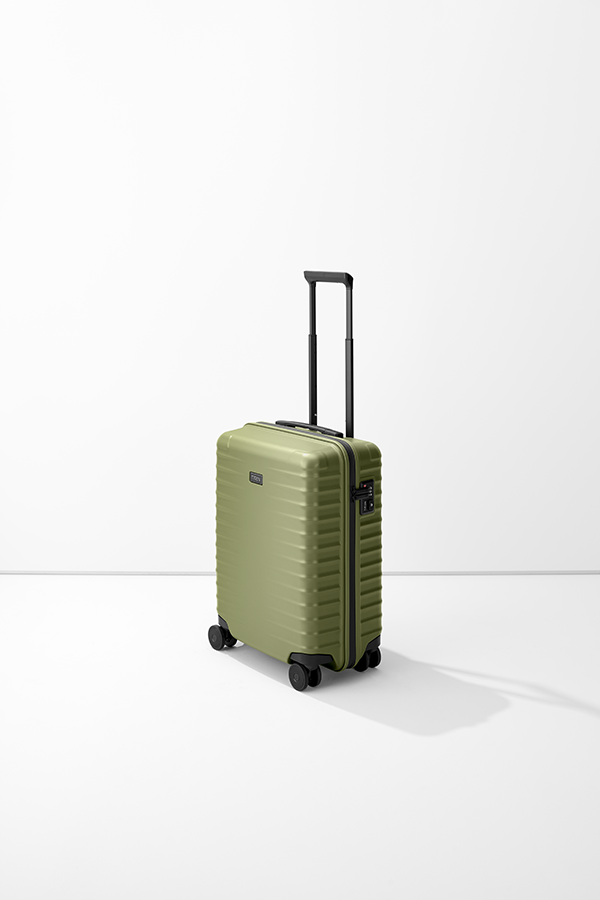
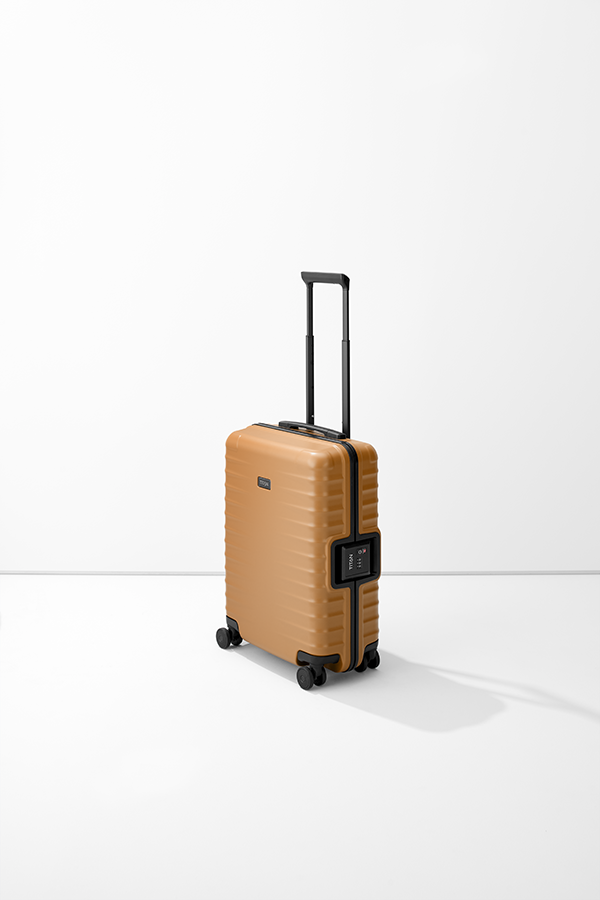
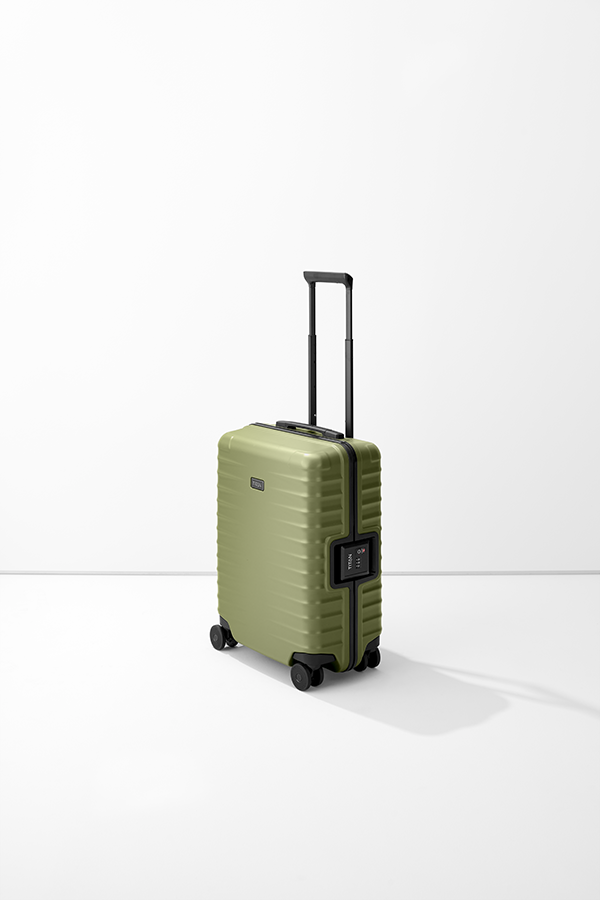
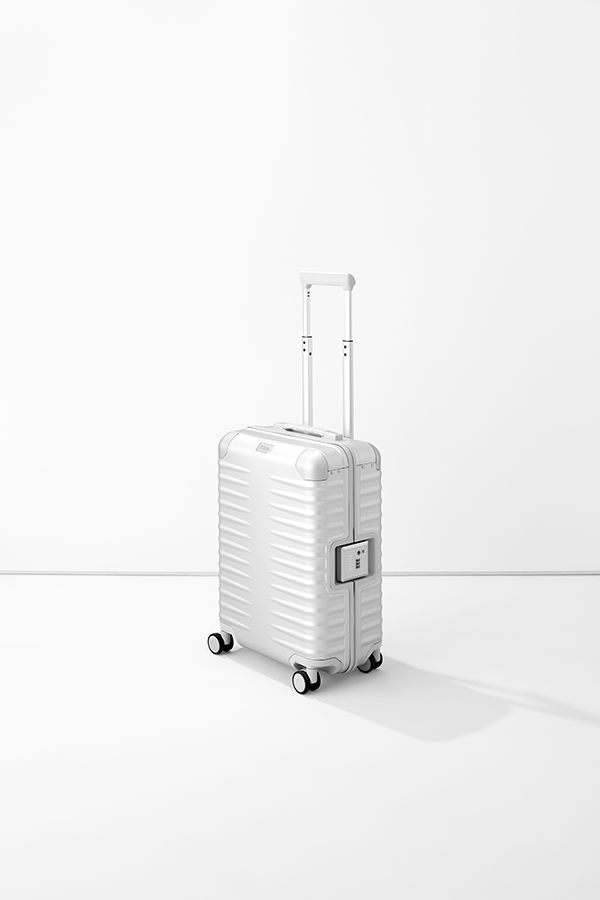
- Hand luggage only: This is where the most consistent approach is needed. The 5-4-3-2-1 rule applies particularly strictly, liquids must comply with the 100-ml rule and electronics are kept within easy reach. With a TITAN cabin suitcase, you can travel within Europe entirely without checked baggage.
Well meant, badly packed: typical mistakes when packing your suitcase
If you know the most common mistakes, it is easier to avoid them. These five come up again and again:
- Starting too late: Anyone packing on the evening before departure makes worse decisions and forgets things more often. With a bit of lead time, packing your suitcase remains a calm process.
- Taking everything just in case: Most items packed under this motto come back unused. Combinable clothing and a consistent packing list help break this reflex.
- Putting heavy items on top: This leads to creased clothes and a suitcase that is hard to roll. Heavy items belong at the bottom, close to the wheel axle.
- Filling without structure: Anyone who stuffs everything into one large compartment searches longer than necessary at the destination. A well-thought-out interior layout makes the difference.
- Not preparing liquids: Anyone flying through a standard X-ray security check without having their liquids bag within easy reach loses time at the airport security check.
Conclusion: if you pack well, you travel better
Packing your suitcase is a question of system. If you prepare clearly, choose the right method for each garment and use a suitcase with a well-thought-out interior layout, you will notice the difference by the time you arrive at your destination at the latest. No rummaging, no creased shirts, no excess baggage.
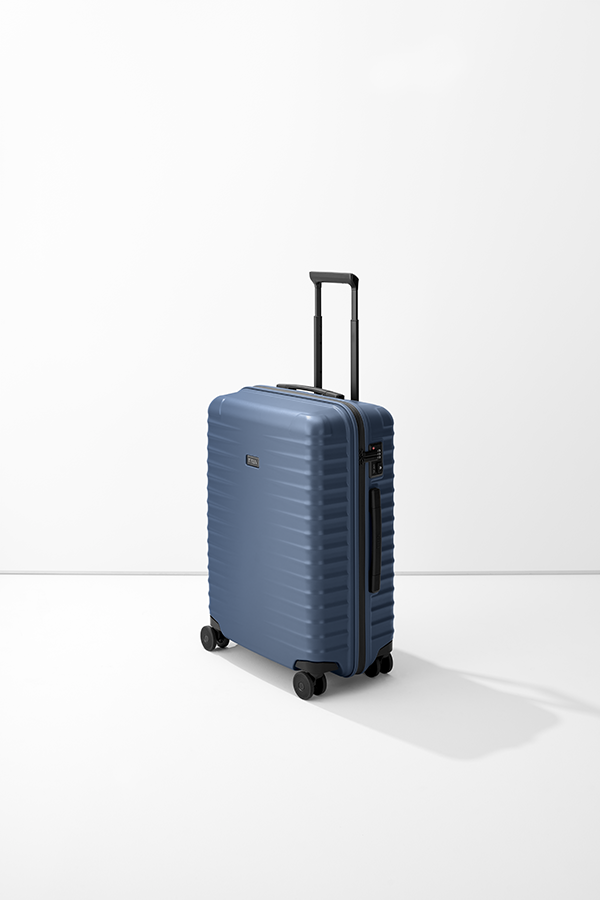
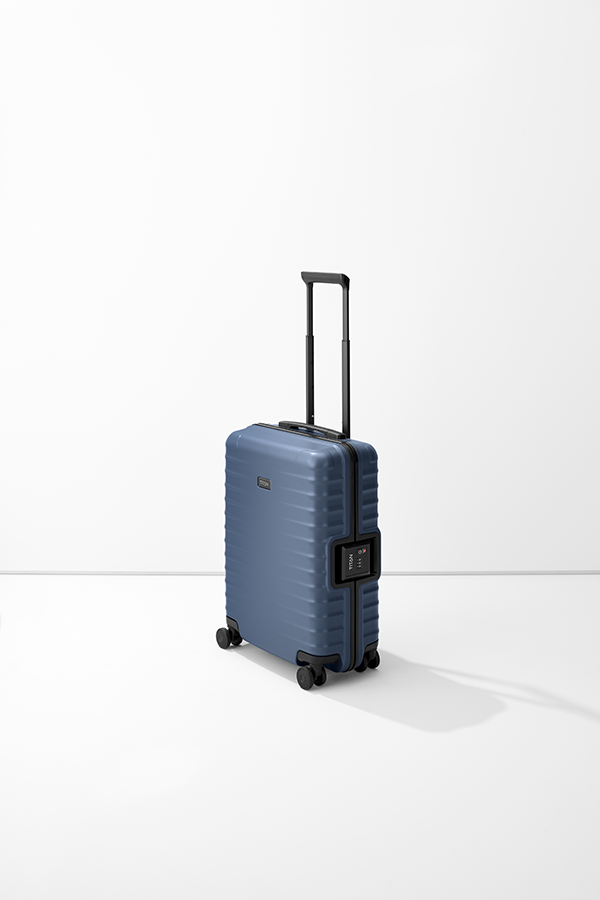
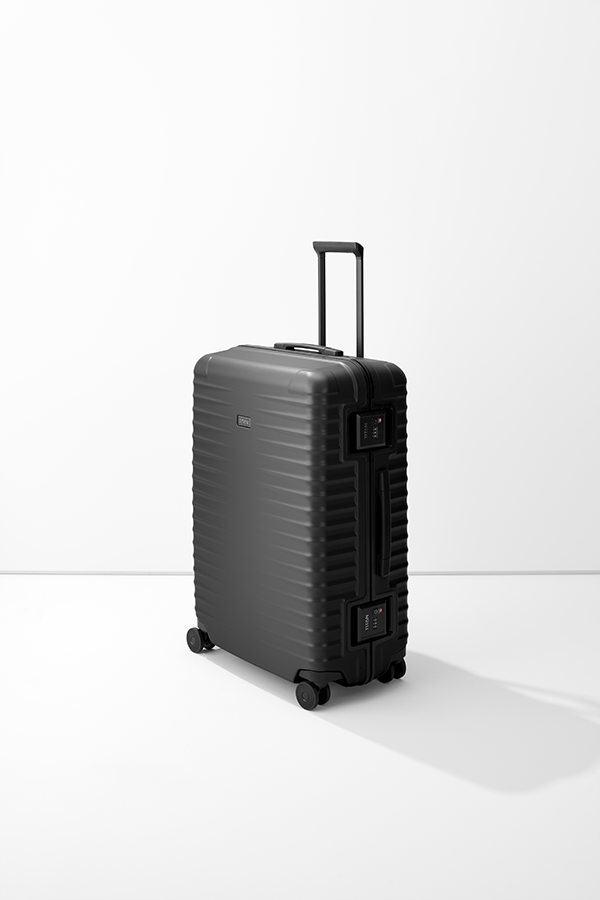
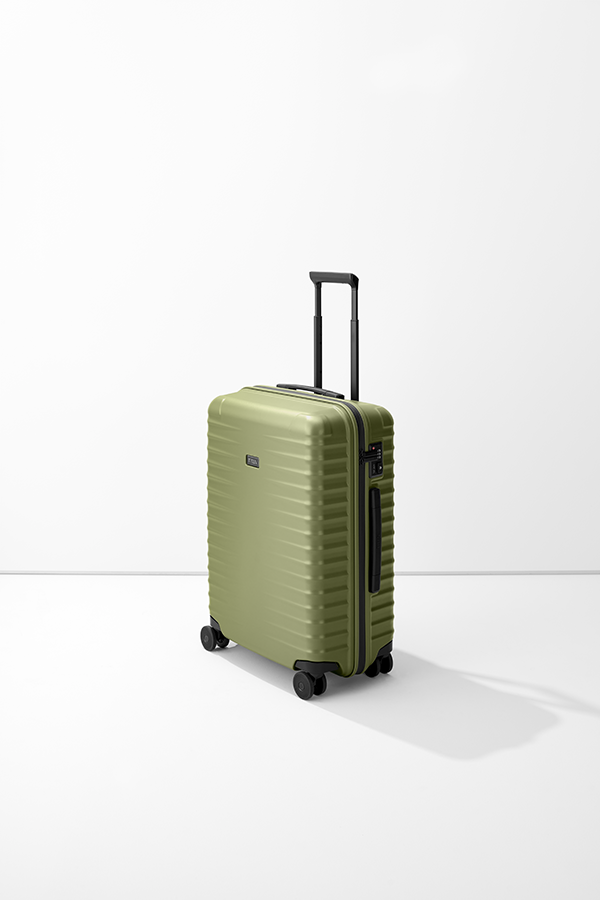
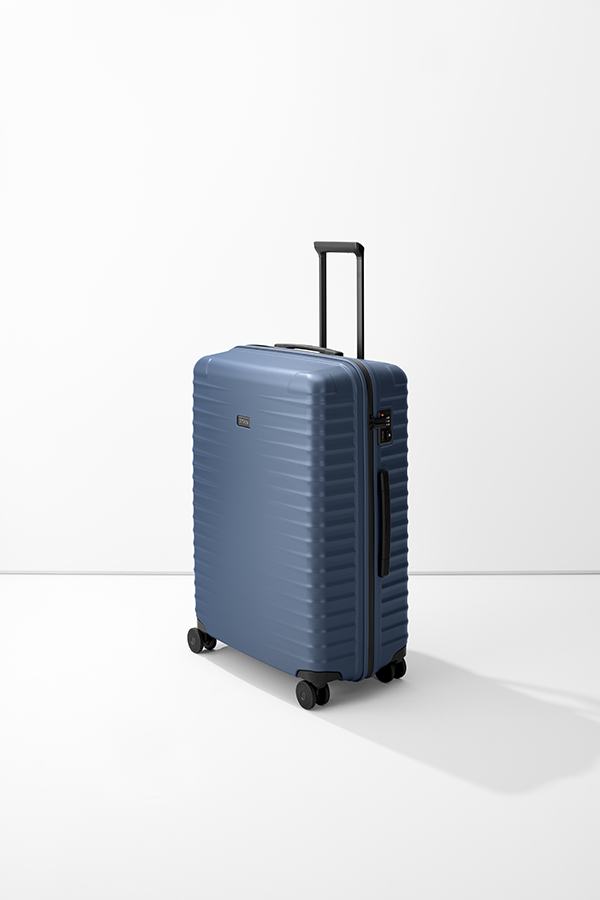
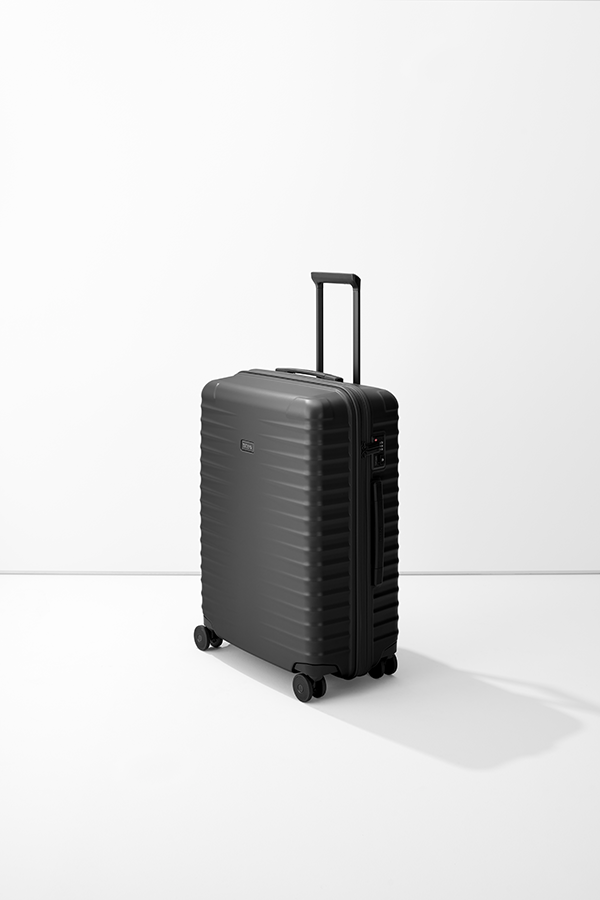
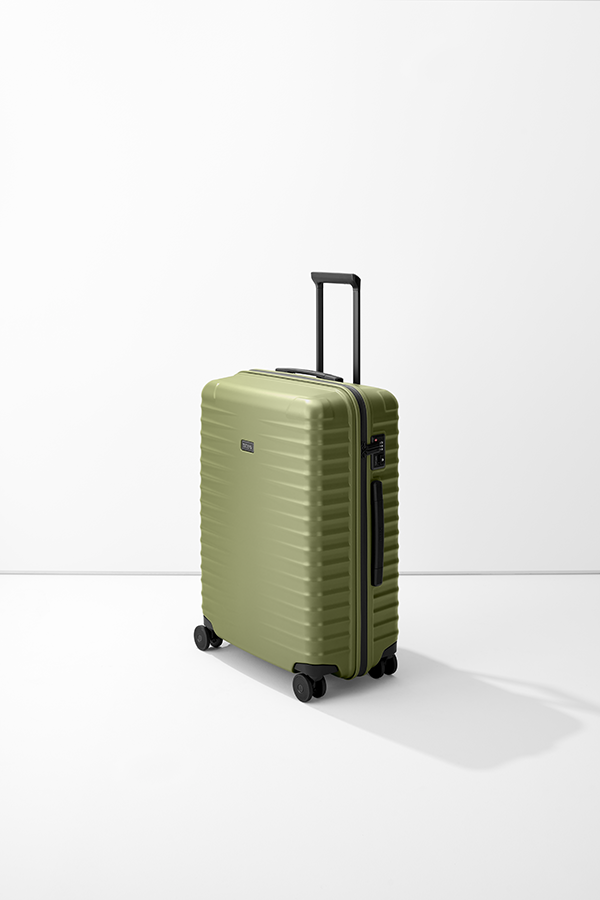
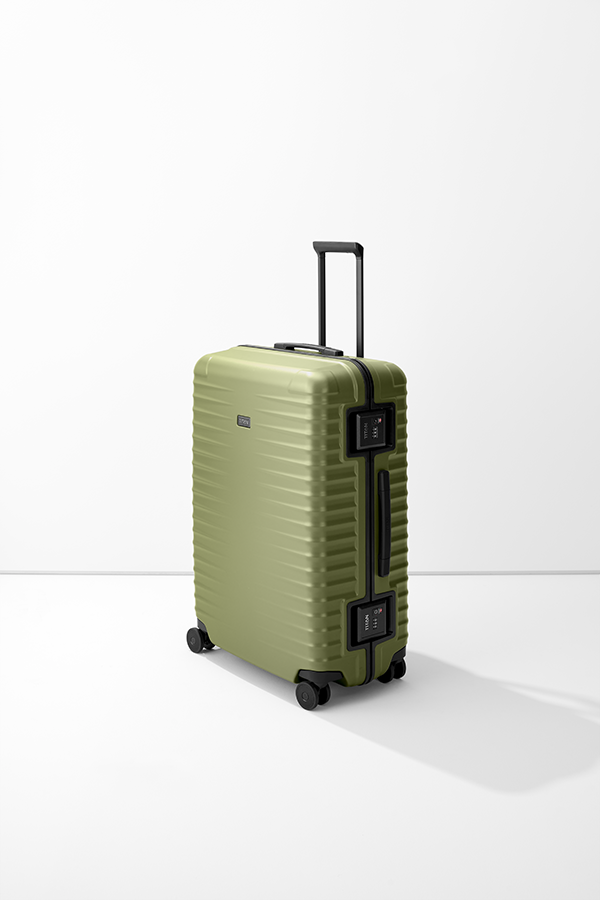
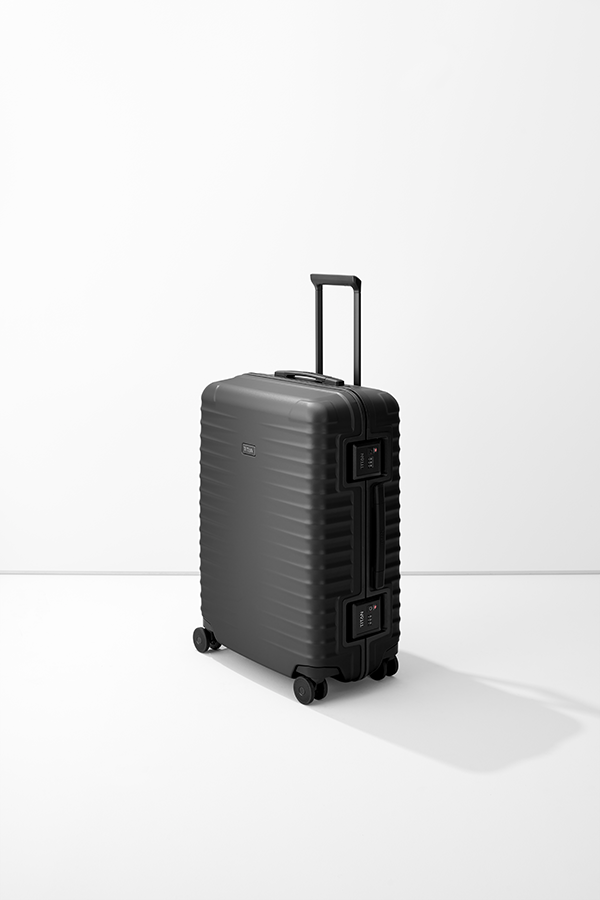
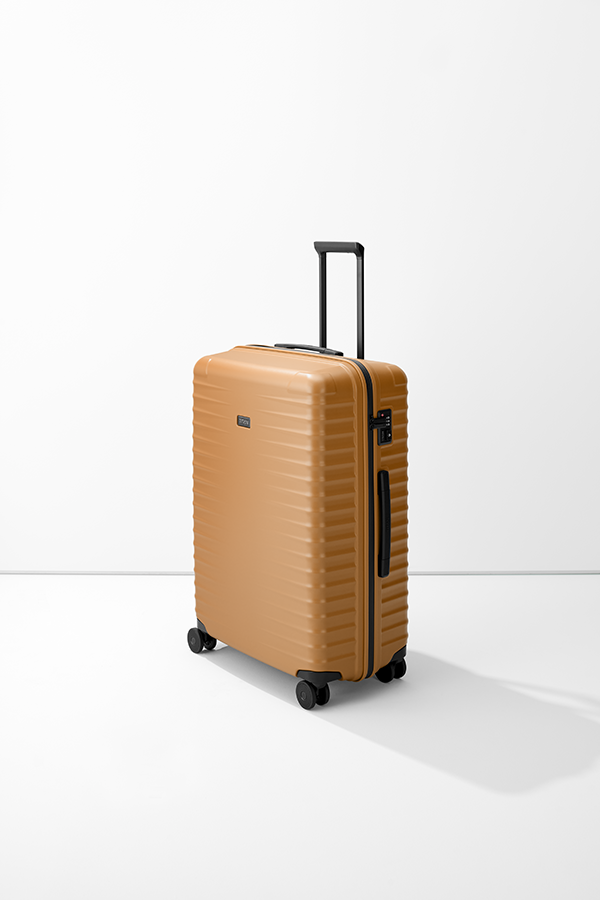
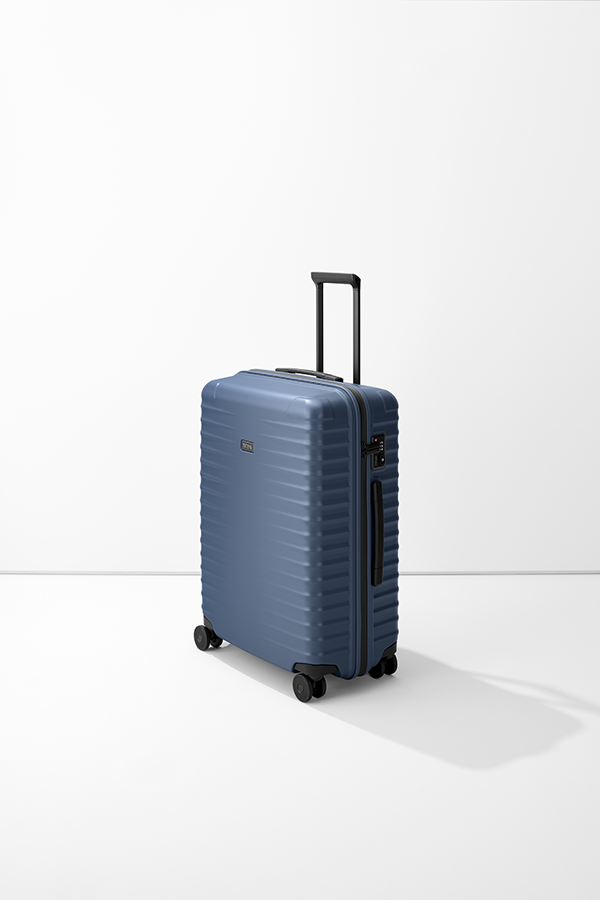
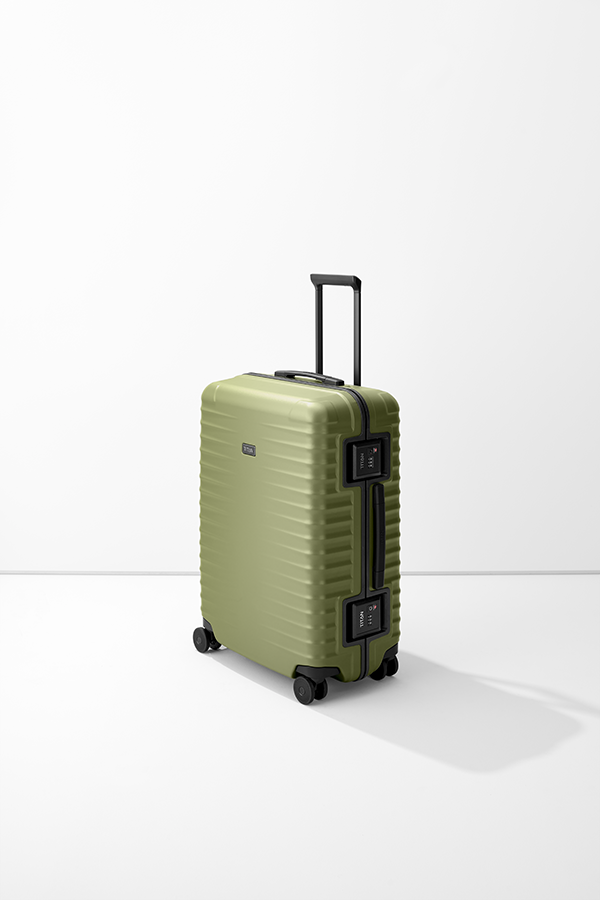
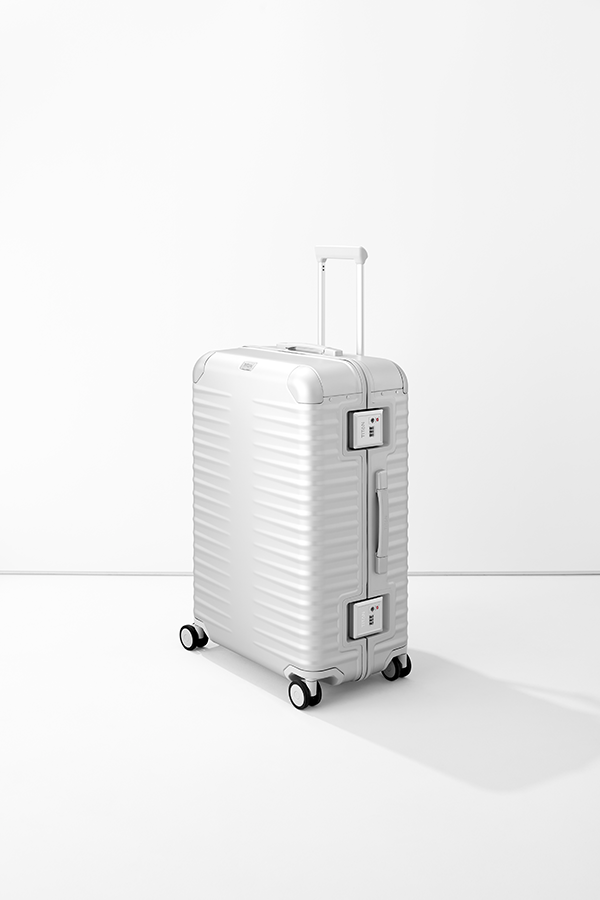
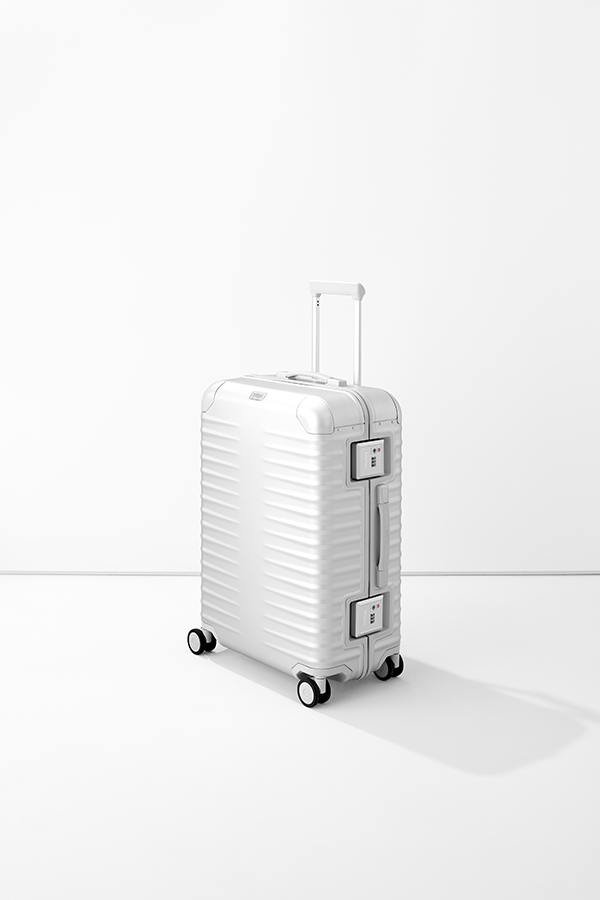
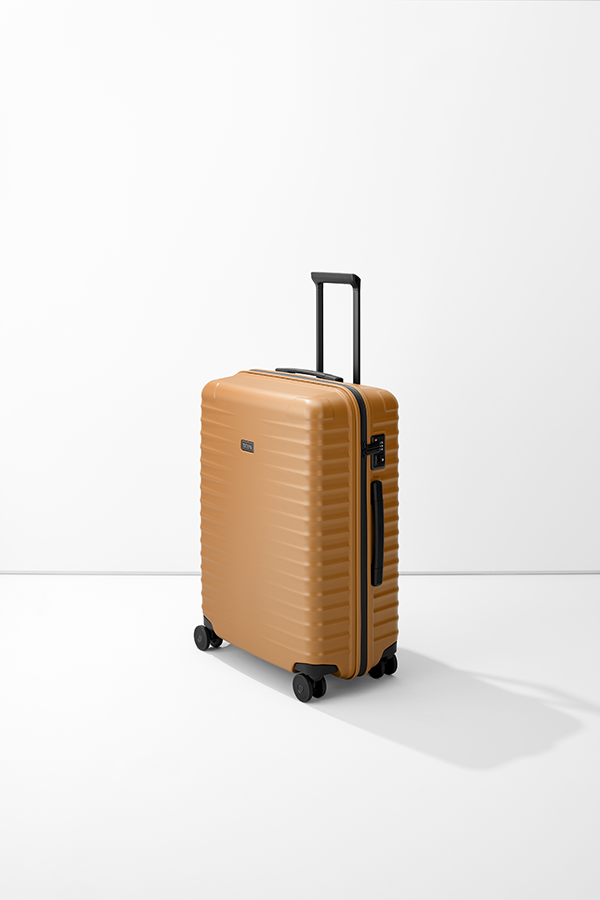
All suitcases from TITAN are designed so that they support this system. Whether ETERNITY made of aluminium, OVERSEAS or UPGRADE made of polycarbonate: each model combines a precise interior layout with the stability that delicate luggage deserves on long journeys. This turns the first moment of the journey into a calm one.
Frequently asked questions about packing your suitcase
Ideally, start preparing a week before departure: draw up a packing list, choose your clothes and put together your toiletries bag. It’s best to pack your suitcase one or two days beforehand. That leaves enough time to pick up anything you’ve forgotten.
What you pack depends on the duration of your trip, your destination and the occasion. As a general guide: clothes for each day, plus underwear, a spare pair of shoes, a toiletries bag with travel-size toiletries, electronics and charging cables, as well as all your travel documents. If you choose versatile items of clothing, you’ll need to pack less and find it easier to keep track of your belongings.
The 5-4-3-2-1 rule provides clear guidance on what to pack for a trip lasting around a week: five items of outerwear, four sets of underwear and socks, three pairs of trousers or skirts, two pairs of shoes and one jacket. This method forces you to put outfits together in advance and prevents you from exceeding your baggage allowance.
First the heaviest items, close to the wheel axle: shoes, toiletries bag, heavy accessories. On top of that comes medium-weight clothing, and delicate pieces that should arrive crease-free go in last.
Liquids only in containers up to 100 ml, packed in a transparent one-litre bag. Electronic devices such as laptops and power banks belong in hand luggage. Sharp objects, tools and larger liquid containers must be checked in.
That depends on the airline and the booked fare class. Checked baggage often allows 20 to 23 kilograms, with some providers allowing up to 32 kilograms in business class. Hand luggage usually has a limit of 8 to 12 kilograms. It is worth checking the exact rules of the respective airline in advance.