Sustainable travel: travelling with the right luggage
Travel broadens the mind – new experiences, cultures and encounters enrich our lives. Yet every journey leaves its mark: on nature, on the climate and on the regions visited. Anyone who wishes to discover the world with respect and a sense of responsibility makes a conscious choice to travel sustainably.
It’s not about sacrificing comfort, but about making conscious choices – from choosing your mode of transport to packing the right luggage. In this article, you’ll find out what sustainable travel is all about, how you can make a big difference with small changes, and what to look out for when it comes to your luggage.
Sustainable travel stands for a responsible and forward-looking approach to tourism. The aim is to minimise the impact on the environment, respect local social structures and make a long-term, positive contribution to people and nature. This is not just about reducing CO₂ emissions, but about raising awareness of the impact of one’s own actions whilst travelling.
Travelling sustainably means planning thoughtfully, acting in a way that conserves resources, and treating the cultural, environmental and economic conditions of a destination with respect. Those who travel sustainably not only protect the environment but also promote fair working conditions, regional economic growth and cultural diversity.
7 simple tips for sustainable travel in everyday life
Even small changes whilst travelling can make a noticeable difference. By making conscious choices, you can reduce your ecological footprint without having to sacrifice comfort or the experience. These seven tips will help:
Choose your destination consciously. Opt for destinations that do not suffer from mass tourism or that specifically promote sustainable tourism. Less-frequented places often offer more authentic experiences, protect the natural environment and support local communities.
Rethink your mode of transport. Wherever possible, replace air travel with alternatives, such as train journeys or long-distance coaches. Once you’re at your destination, bike hire, e-scooters or public transport can help. Even for longer journeys, a stopover by train can be a sensible option.
Choose sustainable accommodation. Look out for certifications such as the EU Ecolabel, Green Key or TourCert. Such establishments often prioritise energy efficiency, water conservation, locally sourced food and fair working conditions.
Produce less waste. Avoid single-use plastic by bringing reusable water bottles, cloth bags, travel cutlery or coffee mugs with you. You can also avoid plastic in personal care products, for example by using solid shampoos or refillable cosmetic bottles.
Consume locally. Whether it’s food, shopping or activities: by using regional products and services, you support the local economy and avoid unnecessary transport. At the same time, you’ll experience your destination more authentically.
Conserve resources. Reduce your water and energy consumption in hotels or holiday apartments. Avoid having your towels changed daily, take shorter showers and only use the air conditioning when necessary.
Offset your travel, but do it properly. Not all emissions can be avoided. Certified CO₂ offsetting can be a useful addition. Look for transparent providers who invest in verifiable projects, such as reforestation, renewable energy or clean cooking technologies. However, offsetting is no substitute for prevention.
Sustainable travel starts with your luggage
If you want to travel more sustainably, you can start by rethinking the way you pack. After all, it’s not just the ‘how’ and ‘where’ that matter, but also the ‘with what’. A durable suitcase will last you for many years and will need replacing less often. Here’s what you can look out for:
Durability. A high-quality suitcase will last for many years, thereby avoiding the need for frequent replacements. Models made of polycarbonate are particularly robust and retain their shape even under pressure.
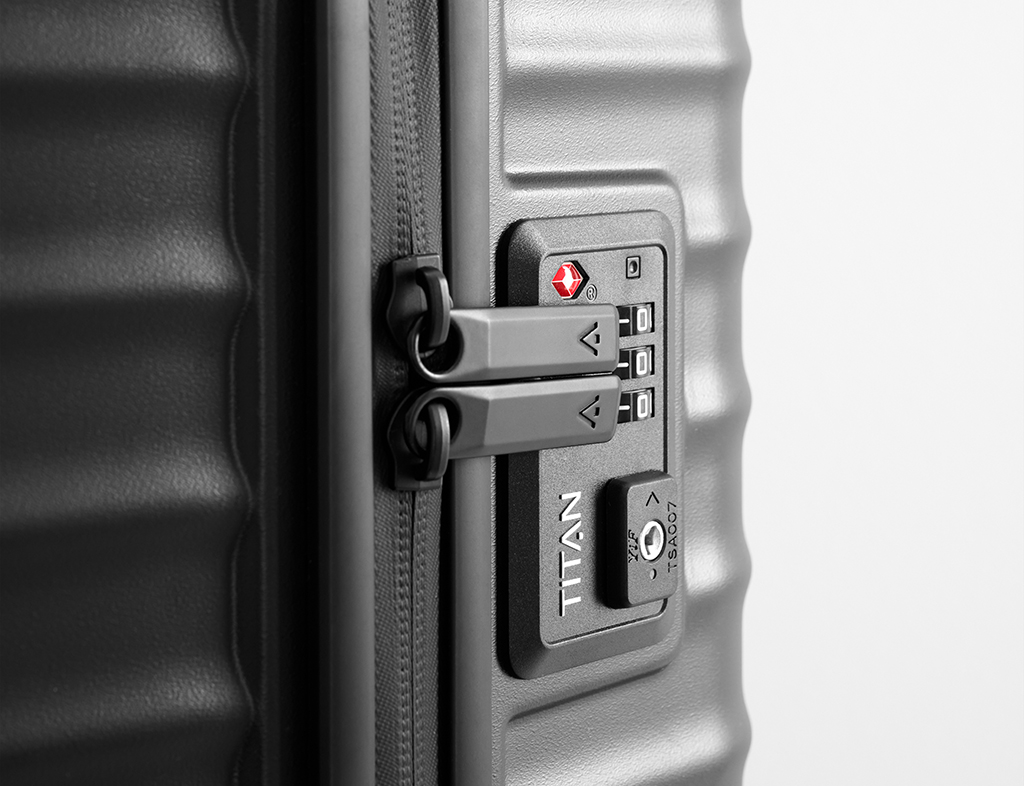
Replaceable parts. If wheels, handles and locks are screwed on rather than glued, they can be replaced individually when they wear out, rather than having to replace the entire suitcase.
Material origin. Ask which components are made from recycled material. Often, the information only applies to the lining, not the shell.
Packing sustainably: How to reduce weight and resource use
The total weight of a vehicle affects its fuel consumption. Packing lightly and thoughtfully therefore does more than just make travelling more comfortable. Our guide to packing your suitcase shows you how to make the best use of the available space.
Carefully chosen and practical: clothes made from durable materials can be worn repeatedly and combined in many different ways – this allows you to travel light without compromising on style.
Organised travel: With lightweight packing aids such as packing cubes or laundry bags, you can keep everything organised even when travelling light.
Reusable accessories: Refillable travel-size containers made of glass or aluminium, sturdy fabric pouches and long-lasting toiletries help to avoid single-use packaging.
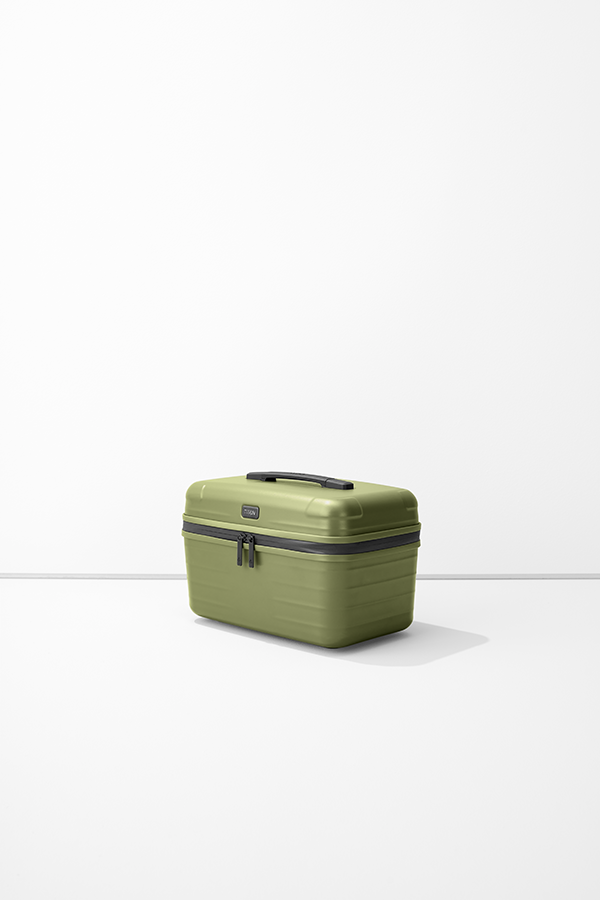
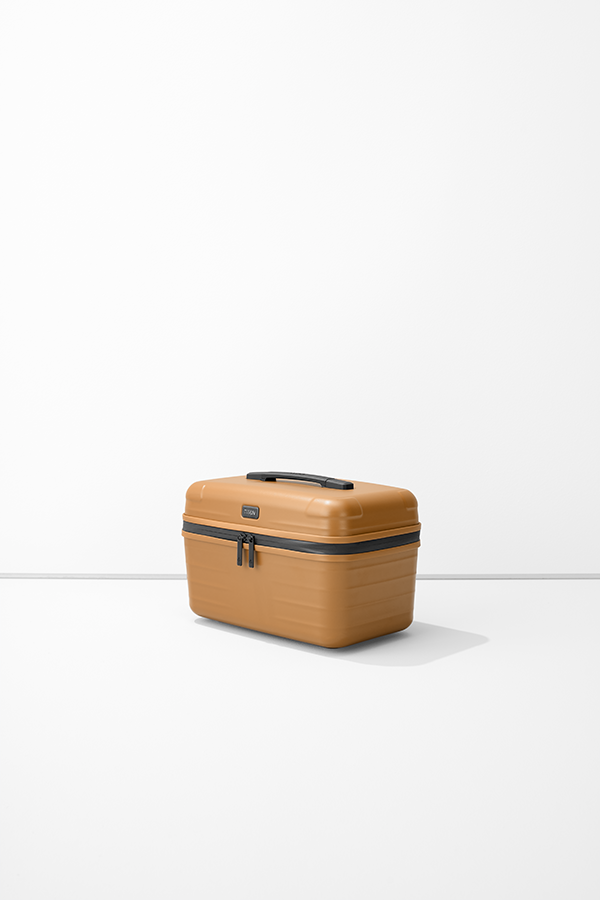
High-quality toiletries bags: A Beautycase with a clear layout and a sturdy lining is practical and long-lasting.
Materials and manufacturing at TITAN
This page deals with general criteria. To help you understand our own information, here are the specific points – each statement relates to the component or process mentioned, not to the suitcase as a whole.
Made in Germany: Since 2020, we have been manufacturing exclusively in Germany, at our own site in Hauzenberg. This means short distances between suppliers and the factory, as well as continuous quality control.
Recycled lining: The lining is made from 100 % recycled polyester (rPET). The suitcase shell is made from virgin polycarbonate, not recycled polycarbonate.
Screw-fastened construction: Many components, such as wheels, handles and locks, are screwed in place rather than glued, meaning they can be replaced individually. Please contact our customer service team for assistance with this.
Packaging: For our cardboard boxes, we use corrugated paper containing 30 % grass.
10-year warranty: We offer a 10-year warranty on products ‘Made in Germany’ from the date of purchase. The terms and conditions of the warranty apply.
Screwed together rather than gluedWaste in the recycling cycleManufacturing in Hauzenberg
We describe the materials, manufacturing and packaging in detail on the page Made in Germany.
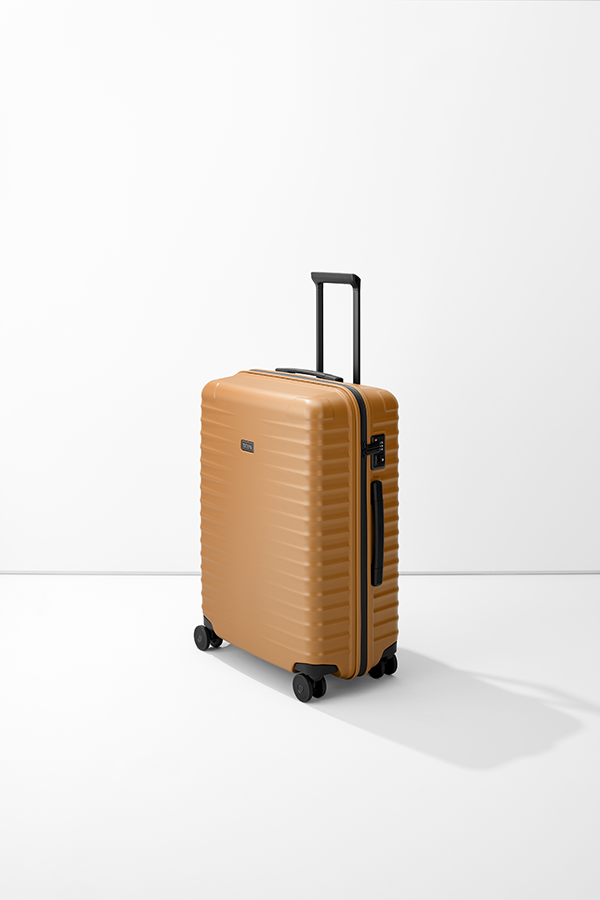
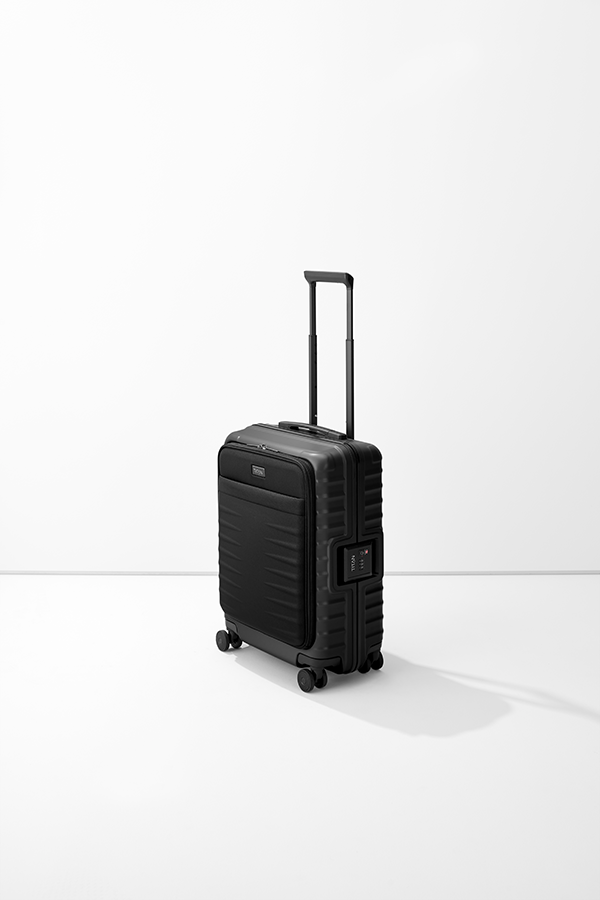
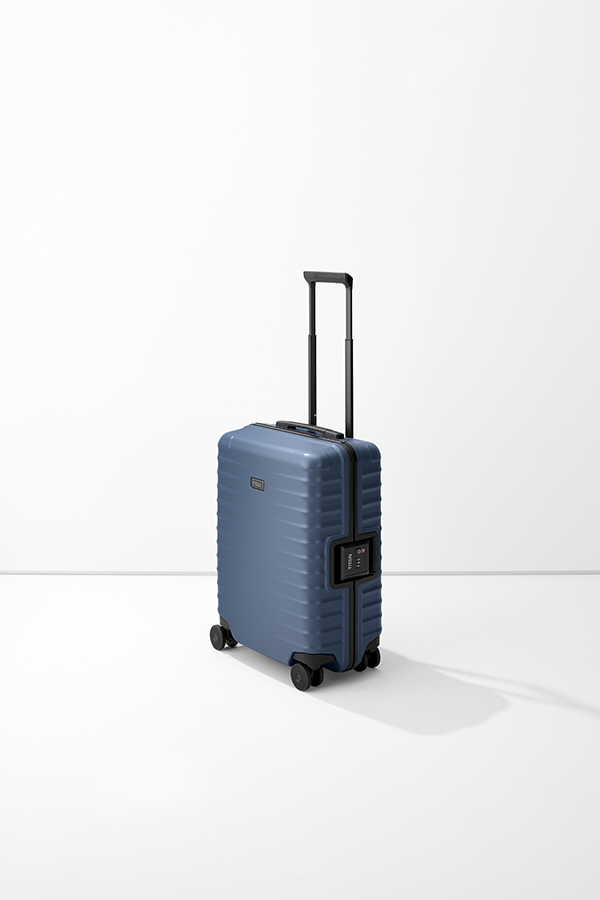
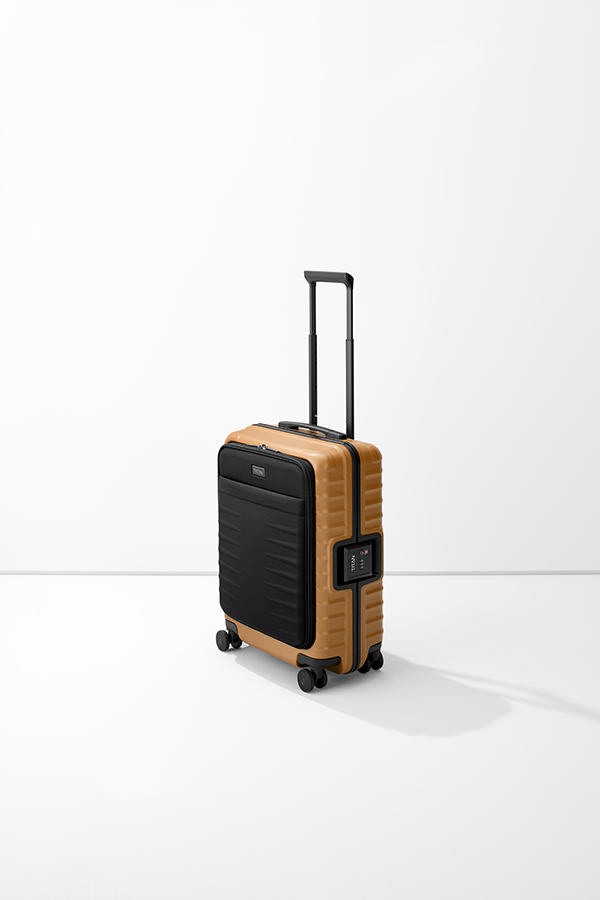
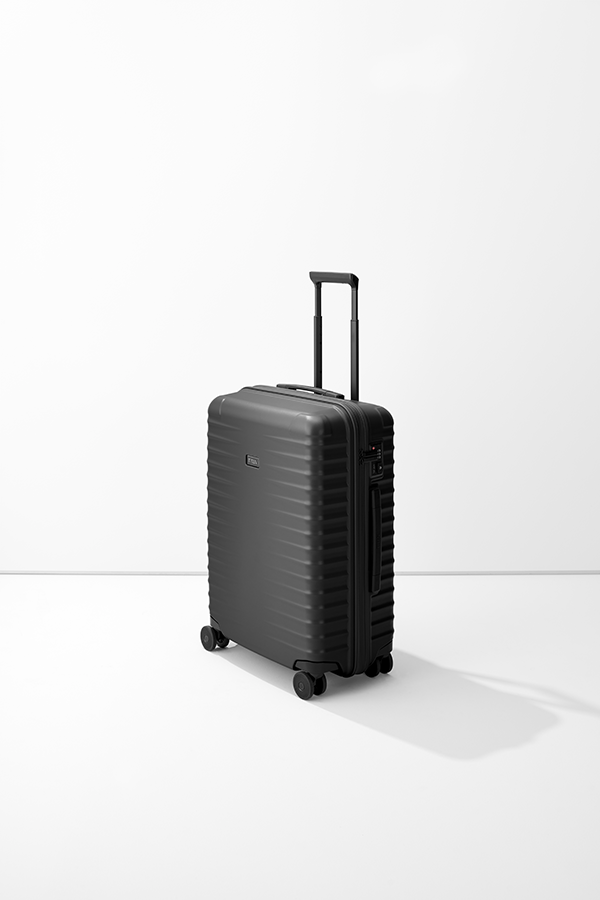
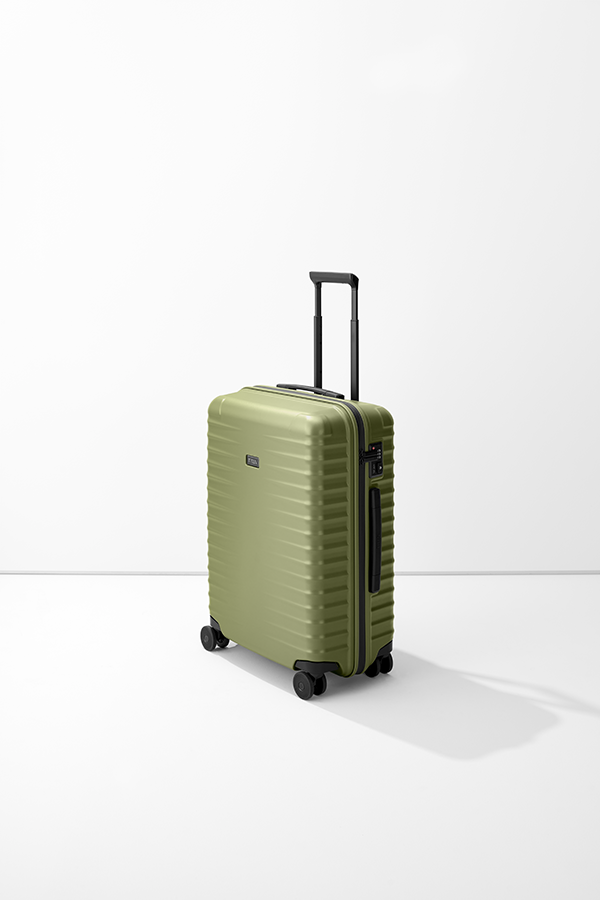
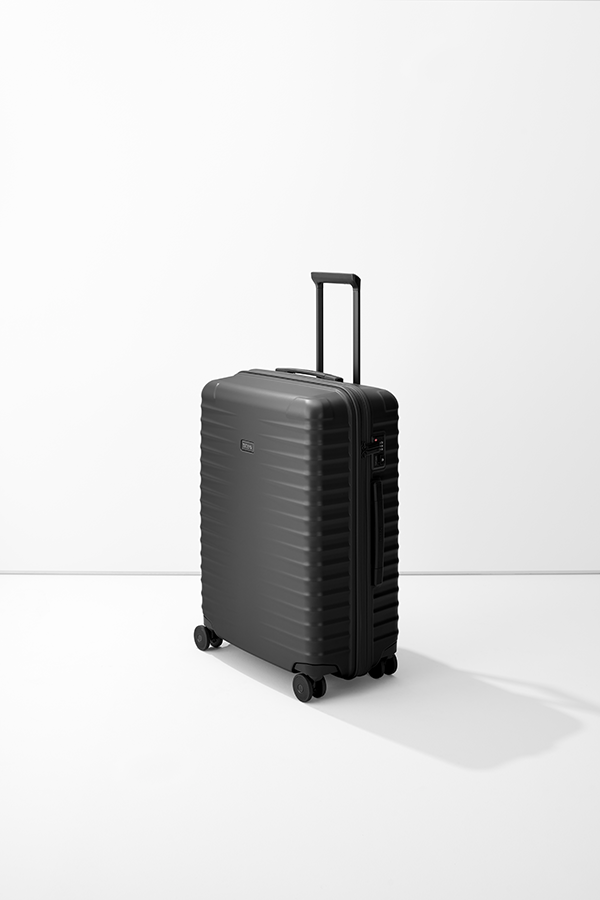
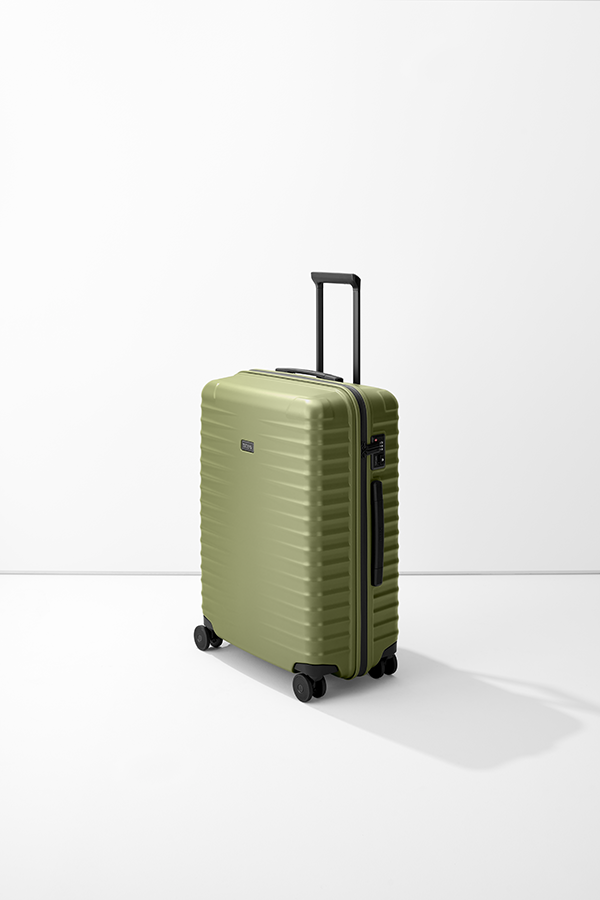
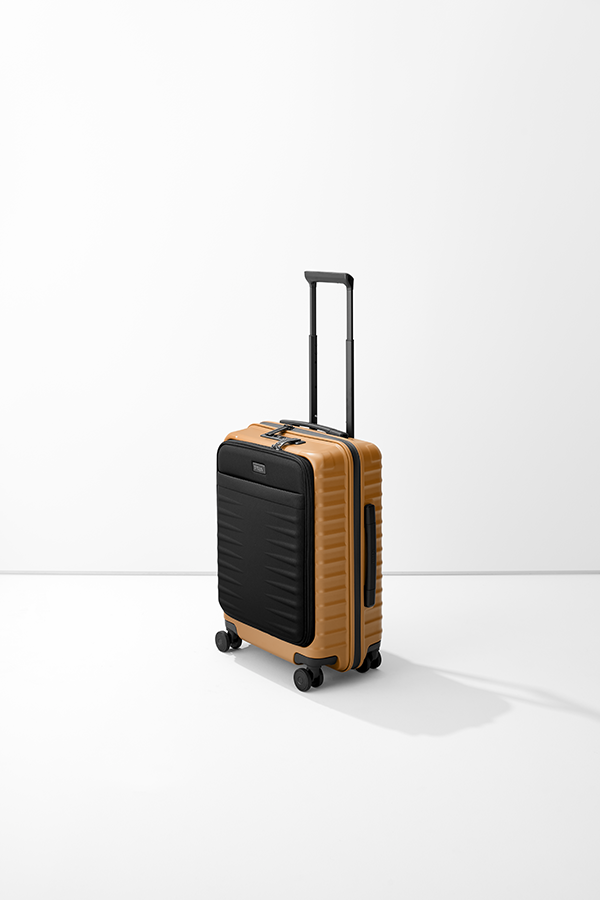
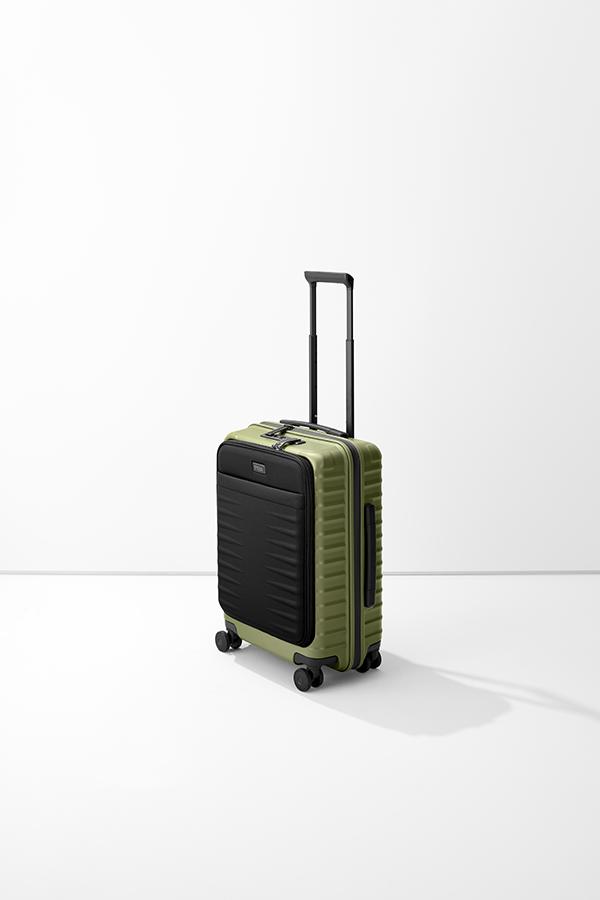
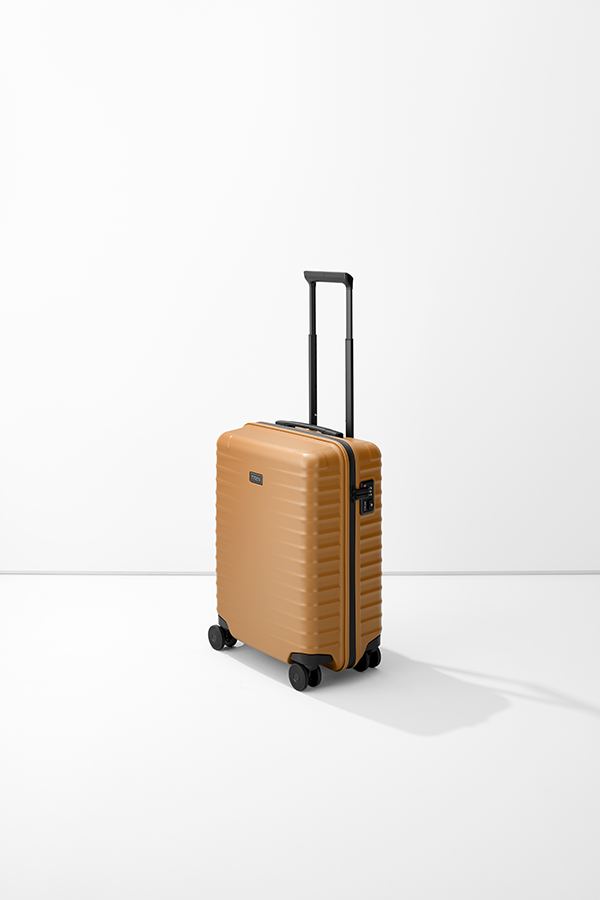
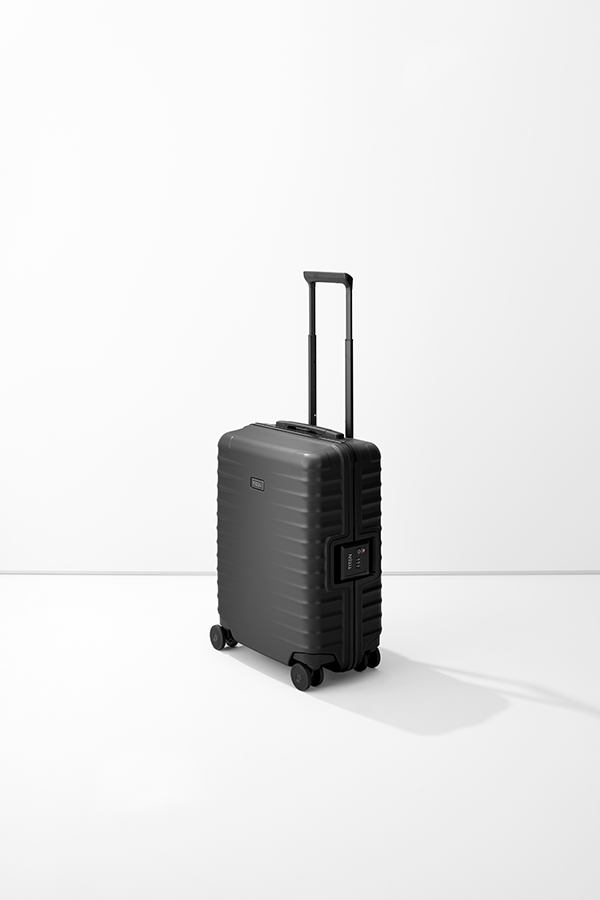
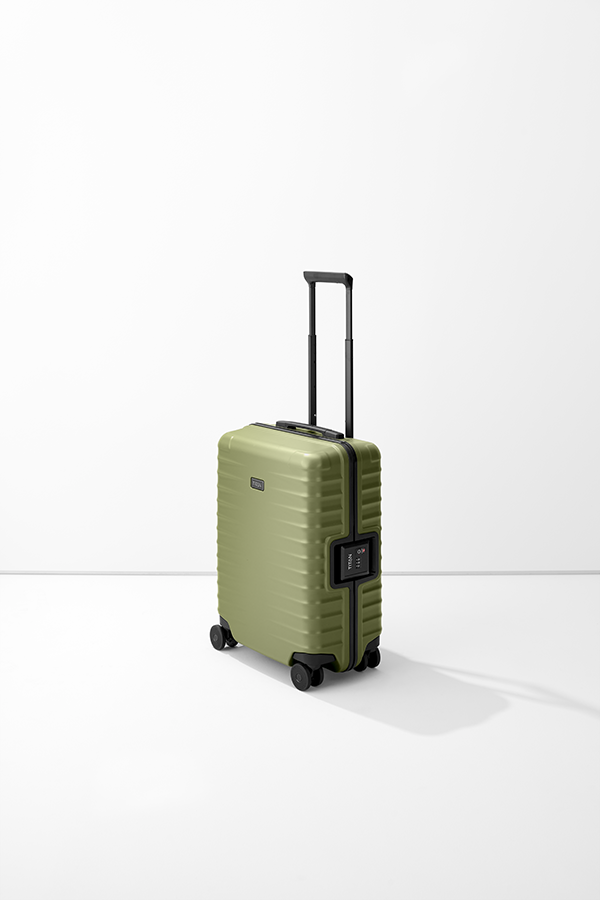
Lightweight, with a water-repellent zip and an interior featuring mesh compartments and compression straps. The shell retains its shape even under load.
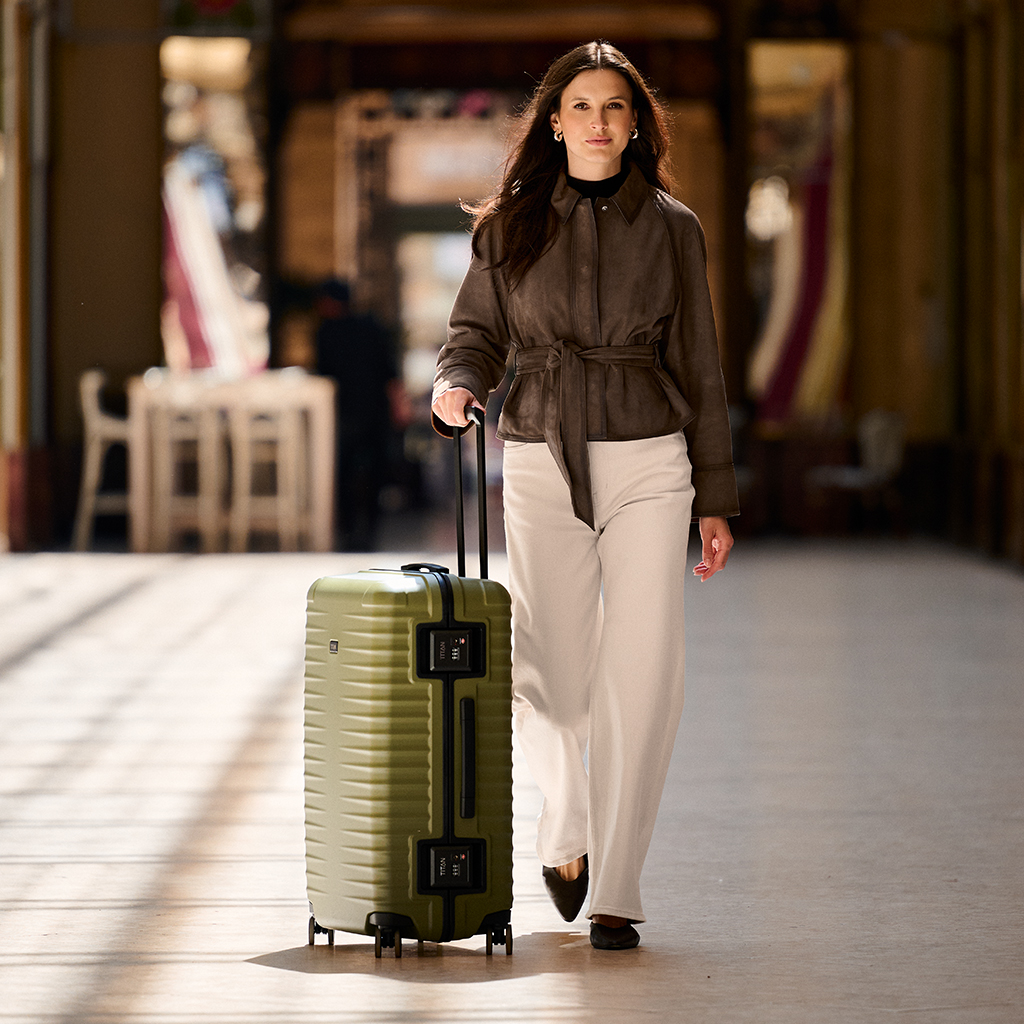
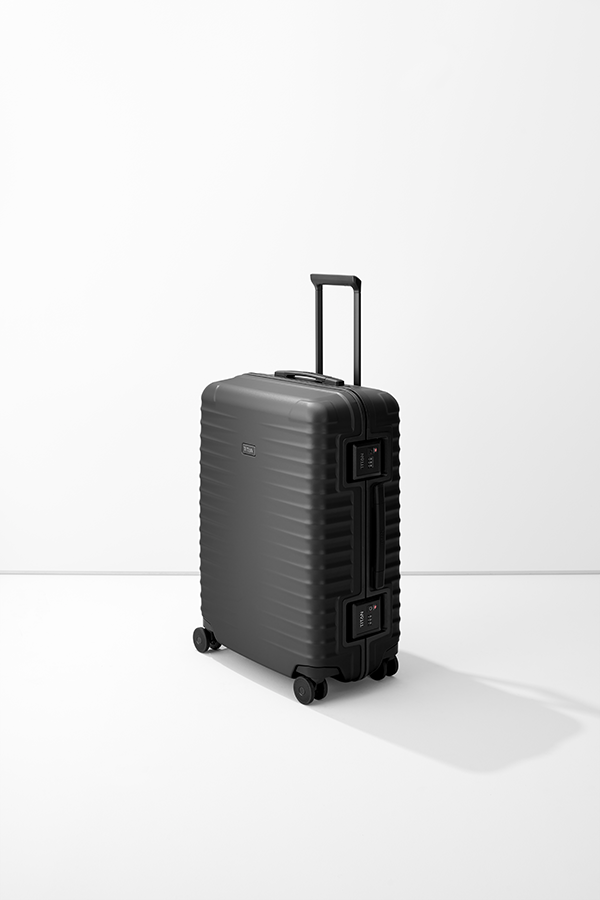
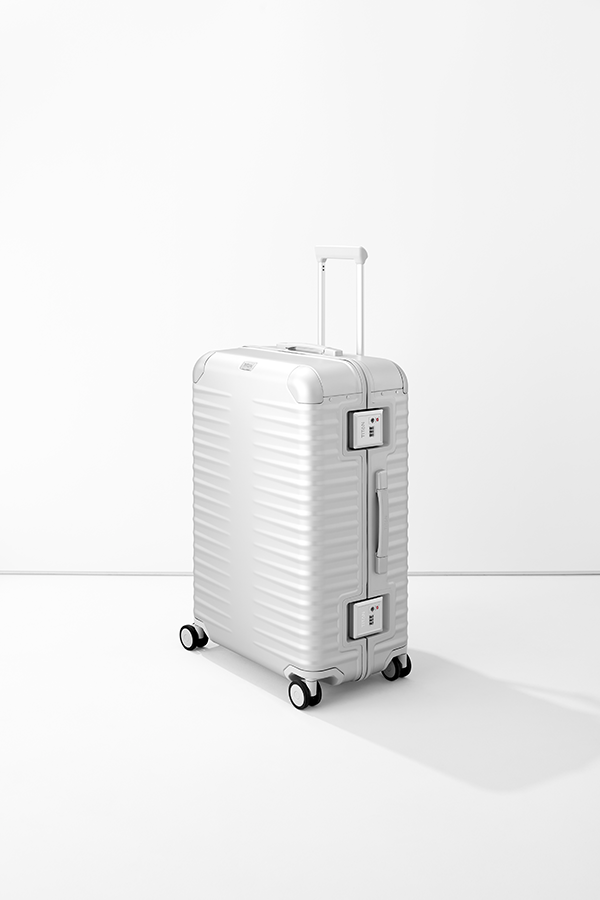
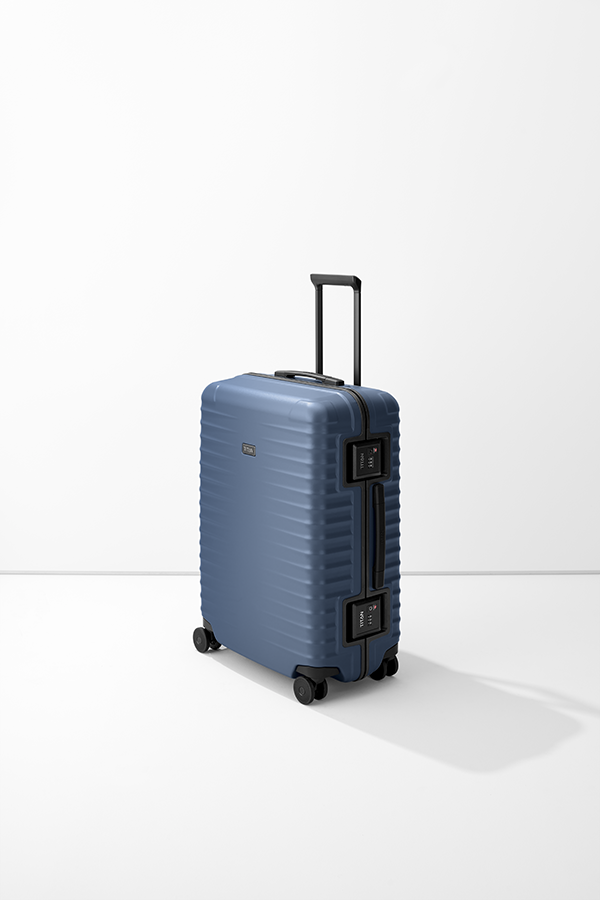
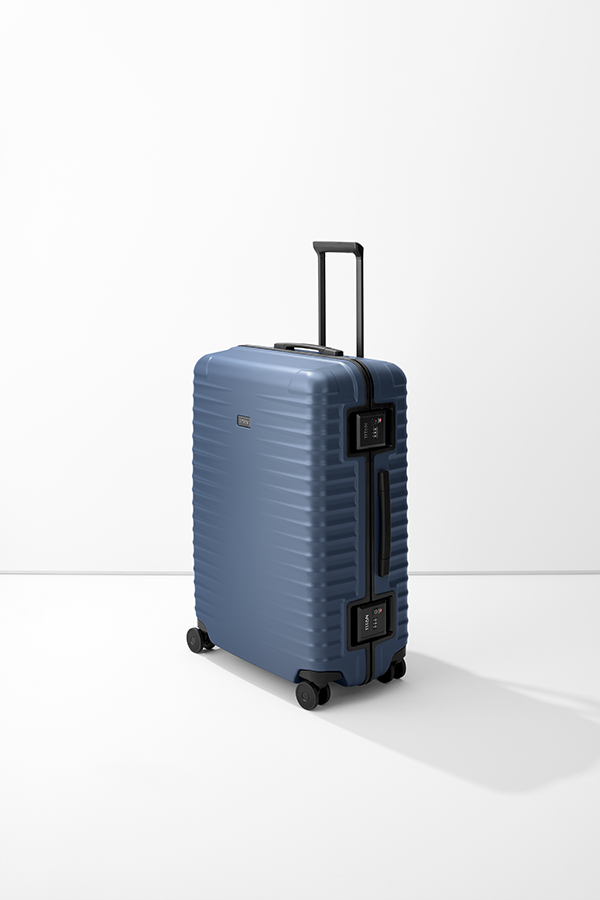
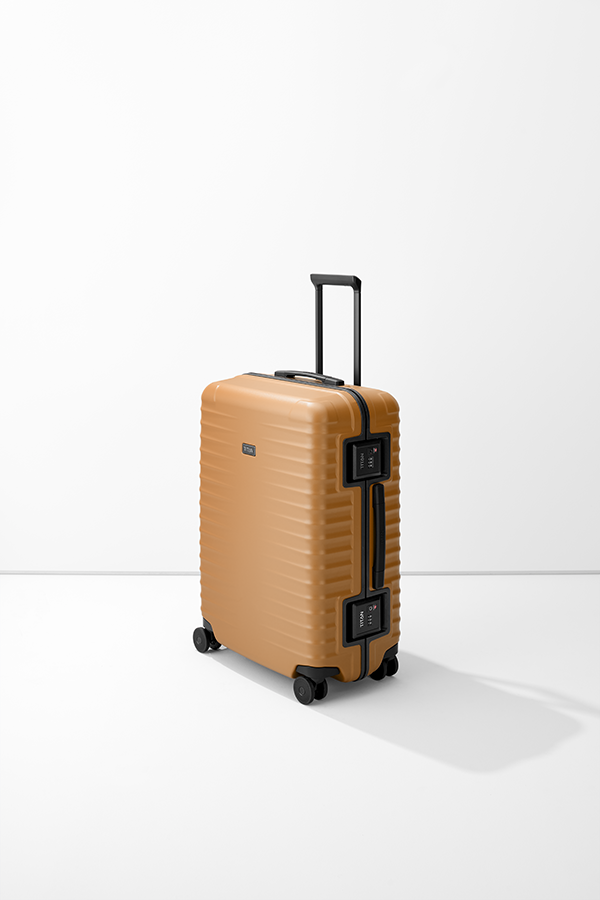
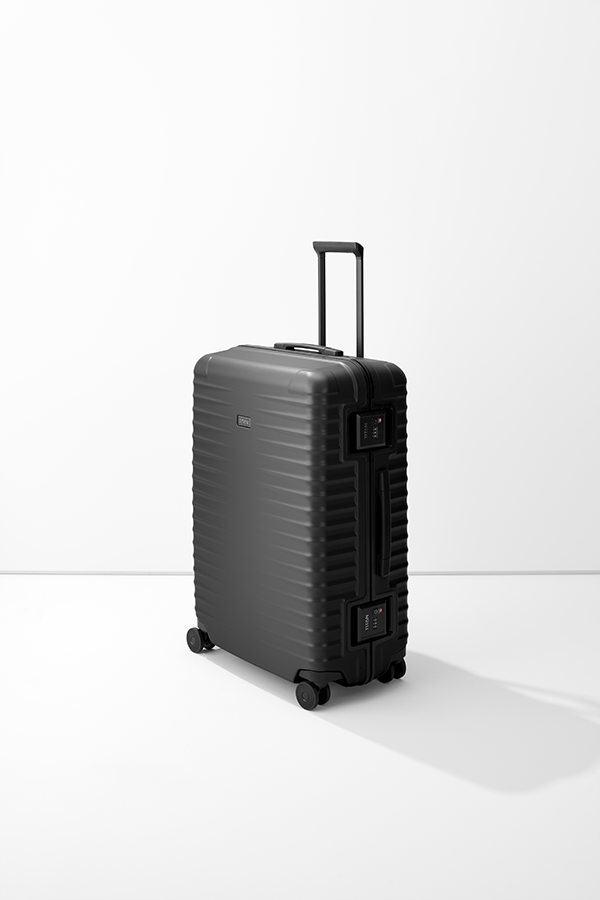
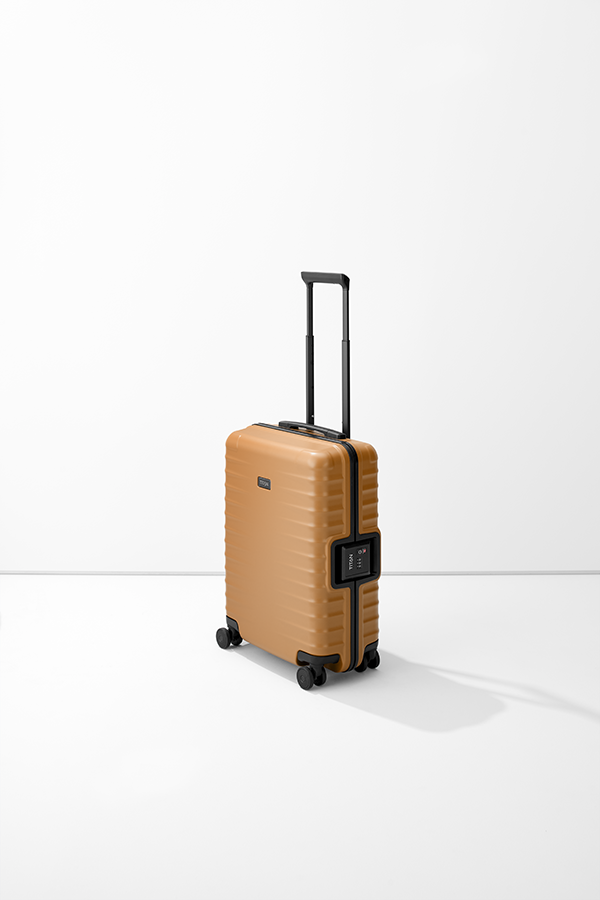
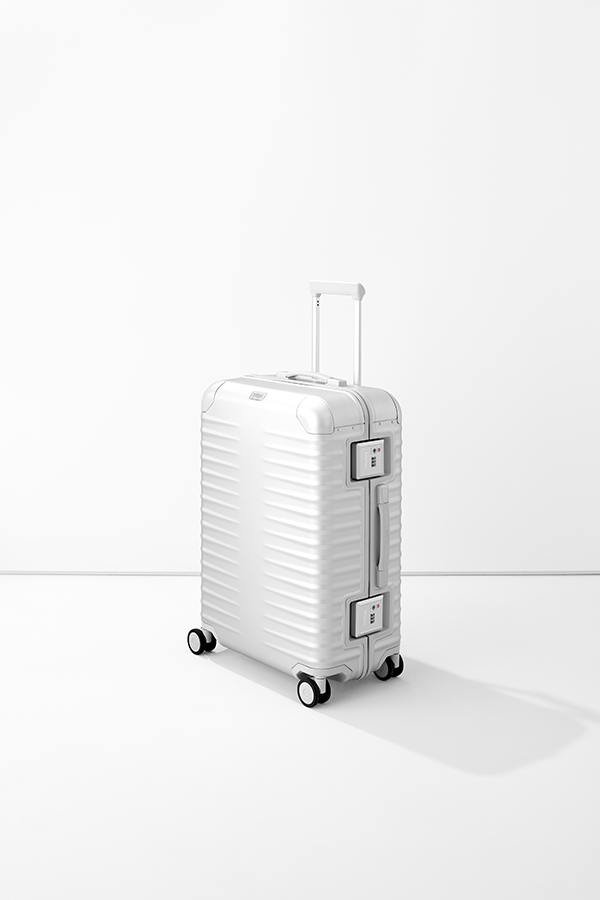
Instead of a zip, a wraparound frame construction with extra-large TSA locks. High torsional rigidity, even with heavy luggage.
Conclusion: Sustainable travel is a question of attitude – and having the right kit
Sustainable travel doesn’t just begin at your holiday destination, but right from the planning stage, when you’re packing, and through the many small decisions you make whilst travelling. Those who travel mindfully reduce their own ecological footprint and help to preserve nature and culture. Whether through the choice of transport, avoiding single-use products or supporting local providers: every step counts.
Your luggage also plays a role. A durable suitcase with replaceable wear parts needs to be replaced less often. With a suitcase from TITAN you’re choosing a design built to last for many years.
Frequently asked questions about sustainable travel
What is sustainable travel in simple terms?
It means travelling in a way that causes as little impact as possible on the environment, nature and local people – and, ideally, even supports them.
How can I fly more sustainably?
If a flight is necessary: opt for direct flights, pack light and consider a certified CO₂ offset. However, offsetting is no substitute for avoiding emissions altogether.
How can I tell if a suitcase is sustainable?
Key indicators include recycled materials, a known place of manufacture, replaceable wear parts and independent certifications such as the Global Recycled Standard (GRS). Ask to see the certificate and its scope, as it usually applies only to a single material and not to the entire suitcase.
Is a suitcase made of polycarbonate sustainable?
Polycarbonate is, above all, durable: it absorbs impacts and returns to its original shape, ensuring the suitcase remains usable for many years. At TITAN, the shell is made from virgin polycarbonate and the lining from recycled polyester. Whether a suitcase is considered sustainable overall depends on several factors, not just the material of the shell.
What are the real benefits of CO₂ offsetting?
Offsetting is no substitute for reduction, but it can serve as a measure to balance things out when emissions are unavoidable. Look for reputable providers with certified projects and check how transparently the impact is documented.
Sustainable travel: travelling with the right luggage
Travel broadens the mind – new experiences, cultures and encounters enrich our lives. Yet every journey leaves its mark: on nature, on the climate and on the regions visited. Anyone who wishes to discover the world with respect and a sense of responsibility makes a conscious choice to travel sustainably.
It’s not about sacrificing comfort, but about making conscious choices – from choosing your mode of transport to packing the right luggage. In this article, you’ll find out what sustainable travel is all about, how you can make a big difference with small changes, and what to look out for when it comes to your luggage.
Sustainable travel stands for a responsible and forward-looking approach to tourism. The aim is to minimise the impact on the environment, respect local social structures and make a long-term, positive contribution to people and nature. This is not just about reducing CO₂ emissions, but about raising awareness of the impact of one’s own actions whilst travelling.
Travelling sustainably means planning thoughtfully, acting in a way that conserves resources, and treating the cultural, environmental and economic conditions of a destination with respect. Those who travel sustainably not only protect the environment but also promote fair working conditions, regional economic growth and cultural diversity.
7 simple tips for sustainable travel in everyday life
Even small changes whilst travelling can make a noticeable difference. By making conscious choices, you can reduce your ecological footprint without having to sacrifice comfort or the experience. These seven tips will help:
Choose your destination consciously. Opt for destinations that do not suffer from mass tourism or that specifically promote sustainable tourism. Less-frequented places often offer more authentic experiences, protect the natural environment and support local communities.
Rethink your mode of transport. Wherever possible, replace air travel with alternatives, such as train journeys or long-distance coaches. Once you’re at your destination, bike hire, e-scooters or public transport can help. Even for longer journeys, a stopover by train can be a sensible option.
Choose sustainable accommodation. Look out for certifications such as the EU Ecolabel, Green Key or TourCert. Such establishments often prioritise energy efficiency, water conservation, locally sourced food and fair working conditions.
Produce less waste. Avoid single-use plastic by bringing reusable water bottles, cloth bags, travel cutlery or coffee mugs with you. You can also avoid plastic in personal care products, for example by using solid shampoos or refillable cosmetic bottles.
Consume locally. Whether it’s food, shopping or activities: by using regional products and services, you support the local economy and avoid unnecessary transport. At the same time, you’ll experience your destination more authentically.
Conserve resources. Reduce your water and energy consumption in hotels or holiday apartments. Avoid having your towels changed daily, take shorter showers and only use the air conditioning when necessary.
Offset your travel, but do it properly. Not all emissions can be avoided. Certified CO₂ offsetting can be a useful addition. Look for transparent providers who invest in verifiable projects, such as reforestation, renewable energy or clean cooking technologies. However, offsetting is no substitute for prevention.
Sustainable travel starts with your luggage
If you want to travel more sustainably, you can start by rethinking the way you pack. After all, it’s not just the ‘how’ and ‘where’ that matter, but also the ‘with what’. A durable suitcase will last you for many years and will need replacing less often. Here’s what you can look out for:
Durability. A high-quality suitcase will last for many years, thereby avoiding the need for frequent replacements. Models made of polycarbonate are particularly robust and retain their shape even under pressure.
Replaceable parts. If wheels, handles and locks are screwed on rather than glued, they can be replaced individually when they wear out, rather than having to replace the entire suitcase.
Material origin. Ask which components are made from recycled material. Often, the information only applies to the lining, not the shell.
Packing sustainably: How to reduce weight and resource use
The total weight of a vehicle affects its fuel consumption. Packing lightly and thoughtfully therefore does more than just make travelling more comfortable. Our guide to packing your suitcase shows you how to make the best use of the available space.
Carefully chosen and practical: clothes made from durable materials can be worn repeatedly and combined in many different ways – this allows you to travel light without compromising on style.
Organised travel: With lightweight packing aids such as packing cubes or laundry bags, you can keep everything organised even when travelling light.
Reusable accessories: Refillable travel-size containers made of glass or aluminium, sturdy fabric pouches and long-lasting toiletries help to avoid single-use packaging.
High-quality toiletries bags: A Beautycase with a clear layout and a sturdy lining is practical and long-lasting.
Materials and manufacturing at TITAN
This page deals with general criteria. To help you understand our own information, here are the specific points – each statement relates to the component or process mentioned, not to the suitcase as a whole.
Made in Germany: Since 2020, we have been manufacturing exclusively in Germany, at our own site in Hauzenberg. This means short distances between suppliers and the factory, as well as continuous quality control.
Recycled lining: The lining is made from 100 % recycled polyester (rPET). The suitcase shell is made from virgin polycarbonate, not recycled polycarbonate.
Screw-fastened construction: Many components, such as wheels, handles and locks, are screwed in place rather than glued, meaning they can be replaced individually. Please contact our customer service team for assistance with this.
Packaging: For our cardboard boxes, we use corrugated paper containing 30 % grass.
10-year warranty: We offer a 10-year warranty on products ‘Made in Germany’ from the date of purchase. The terms and conditions of the warranty apply.
Screwed together rather than gluedWaste in the recycling cycleManufacturing in Hauzenberg
We describe the materials, manufacturing and packaging in detail on the page Made in Germany.
Lightweight, with a water-repellent zip and an interior featuring mesh compartments and compression straps. The shell retains its shape even under load.
Instead of a zip, a wraparound frame construction with extra-large TSA locks. High torsional rigidity, even with heavy luggage.
Conclusion: Sustainable travel is a question of attitude – and having the right kit
Sustainable travel doesn’t just begin at your holiday destination, but right from the planning stage, when you’re packing, and through the many small decisions you make whilst travelling. Those who travel mindfully reduce their own ecological footprint and help to preserve nature and culture. Whether through the choice of transport, avoiding single-use products or supporting local providers: every step counts.
Your luggage also plays a role. A durable suitcase with replaceable wear parts needs to be replaced less often. With a suitcase from TITAN you’re choosing a design built to last for many years.
Frequently asked questions about sustainable travel
What is sustainable travel in simple terms?
It means travelling in a way that causes as little impact as possible on the environment, nature and local people – and, ideally, even supports them.
How can I fly more sustainably?
If a flight is necessary: opt for direct flights, pack light and consider a certified CO₂ offset. However, offsetting is no substitute for avoiding emissions altogether.
How can I tell if a suitcase is sustainable?
Key indicators include recycled materials, a known place of manufacture, replaceable wear parts and independent certifications such as the Global Recycled Standard (GRS). Ask to see the certificate and its scope, as it usually applies only to a single material and not to the entire suitcase.
Is a suitcase made of polycarbonate sustainable?
Polycarbonate is, above all, durable: it absorbs impacts and returns to its original shape, ensuring the suitcase remains usable for many years. At TITAN, the shell is made from virgin polycarbonate and the lining from recycled polyester. Whether a suitcase is considered sustainable overall depends on several factors, not just the material of the shell.
What are the real benefits of CO₂ offsetting?
Offsetting is no substitute for reduction, but it can serve as a measure to balance things out when emissions are unavoidable. Look for reputable providers with certified projects and check how transparently the impact is documented.
Functional cookies are absolutely necessary for the functionality of the web shop. These cookies assign a unique random ID to your browser so that your unhindered shopping experience can be guaranteed over several page views.
Activated cookies:
Saves which cookies have already been accepted by the user for the first time.
Mollie Payment:
This cookie is used to group all events generated from a unique user session across multiple checkout pages.
Amazon Pay:
The cookie is used for payment transactions via Amazon.
CSRF token:
The CSRF token cookie contributes to your security. It strengthens the security of forms against unwanted hacker attacks.
Cache handling:
The cookie is used to differentiate the cache for different scenarios and page users.
CAPTCHA integration
Timezone:
The cookie is used to provide the system with the user's current time zone.
Information on origin:
The cookie stores the referrer and the first page visited by the user for further use.
Cookie settings:
The cookie is used to store the cookie settings of the site user over several browser sessions.
Session:
The session cookie stores your shopping data over several page views and is therefore essential for your personal shopping experience.
Google Tag Manager debug mode:
Allows to run the Google Tag Manager in debug mode.
Marketing cookies are used to display advertisements on the website in a targeted and individualized manner across multiple page views and browser sessions.
Bing Ads:
This cookie is used by Bing to gather anonymous information on how visitors are using the website.
Customa Tracking:
Stores the identified advertising source (campaign, referrer) for marketing attribution by Customa (Trust in Dialog Services GmbH).
Customa:
This cookie is used by customa (trust in dialog Services GmbH) for marketing and optimization purposes.
Open AI:
Used to measure and optimise our advertising campaigns. In doing so, usage data may be transmitted to OpenAI.
Google Ads Conversion:
We use the Google Ads Conversion Tag for optimised display and performance evaluation of our Google Ads ads (text/discovery ads) in order to show you the most suitable offers in your Google search. This means that adverts in your Google search or in your Google Discovery feed can be optimally tailored to your needs.
Google AdSense:
The cookie is used by Google AdSense to promote advertising efficiency on the website.
Facebook Pixel:
The cookie is used by Facebook to display personalized advertising offers based on user behavior to users of websites that integrate Facebook services.
Adcell:
Adcell uses cookies to analyse visitor traffic on the website. Furthermore, the origin of orders and the interaction of adverts can be tracked.
Google conversion tracking:
In order to show you the most suitable offers in your Google search, we use the Google Ads Conversion Tag for optimized playout and performance evaluation of our Google Ads (text/discovery ads). This way, ads in your Google search or in your Google Discovery feed can be tailored to your needs.
These cookies are used to collect and process information about the use of the website by users, in order to subsequently personalise advertising and/or content in other contexts.
Criteo retargeting:
The cookie is used to enable personalized ads on third party websites based on pages and products viewed.
Tracking cookies help the shop operator to collect and evaluate information about the behaviour of users on their website.
Conversion and usertracking via Google Tag Manager:
Google Tag Manager allows tags to be integrated centrally via a user interface. Tags are small sections of code that can track activities. Script codes from other tools are integrated via the Google Tag Manager. The Tag Manager makes it possible to control when a specific tag is triggered.
Google Analytics:
Google Analytics is used for traffic analysis of the website. Thereby statistics about website activities can be created and read out.
Hotjar:
Hotjar cookies are used to analyze website activities of users. The site user is identified by the cookie over several page views and his or her behavior is analyzed.
These cookies are used to display personalised adverts.
Facebook Pixel:
For the placement and optimization of Facebook ads, you can agree to the integration of the Facebook Pixel in our shop.
These cookies allow the website to provide better functionality and personalisation. They can be set by us or by third-party providers whose services we have added to our pages. The purpose of these cookies is to provide you with a more personalised experience on our Site based on your previous visits and selections.
YouTube video:
This is a video player service. It can be used by the user to watch, share, comment on and upload videos.
StoreLocator:
Allows Google Maps to be loaded on this page.
Welcome to TITAN
To offer you the best possible experience on our website, we use cookies and various technologies. These help us to provide the functions of our pages, customise content and advertisements for you and integrate social media.