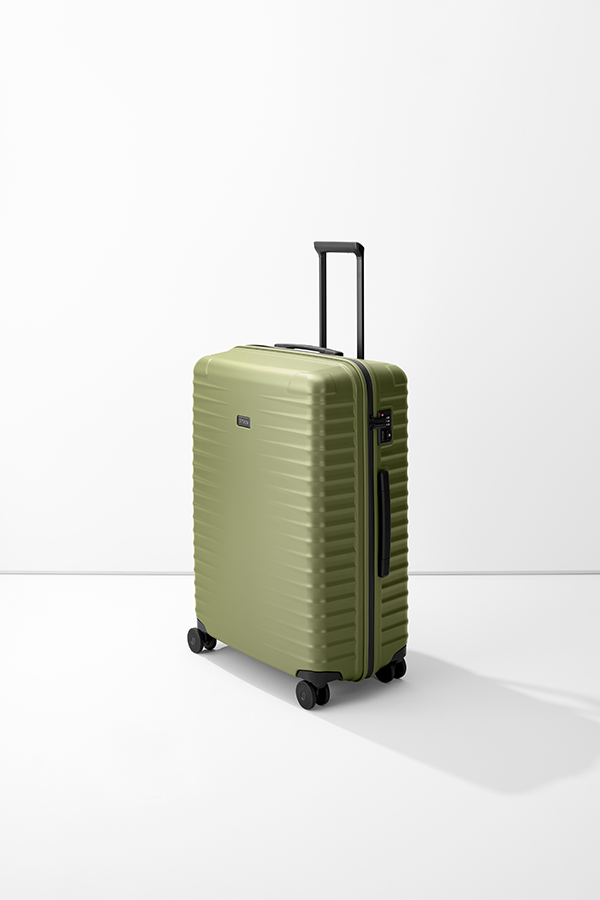
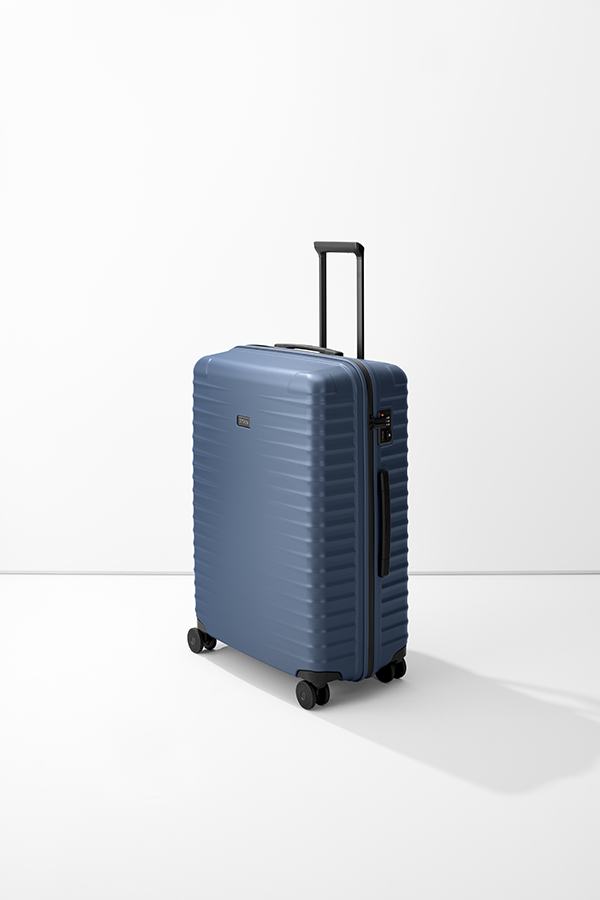
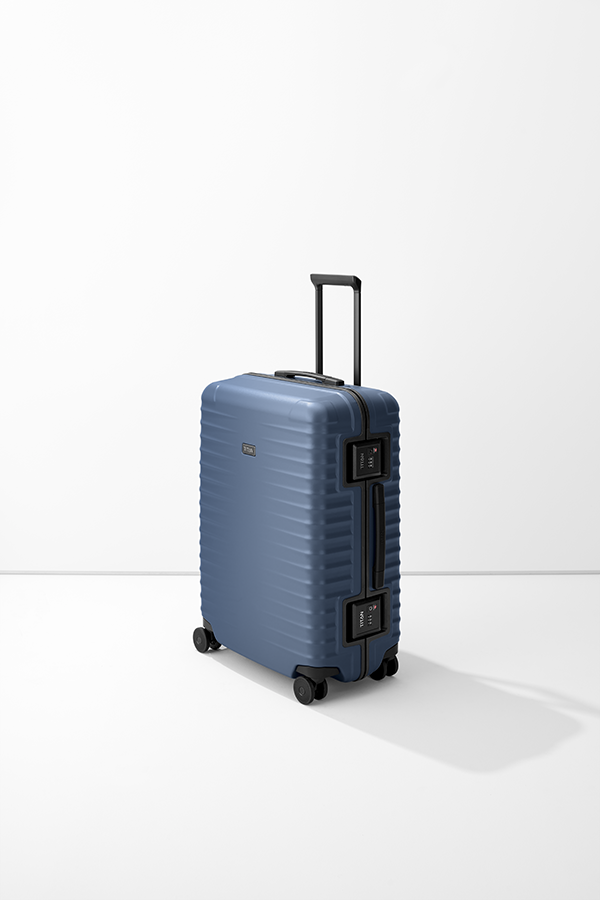
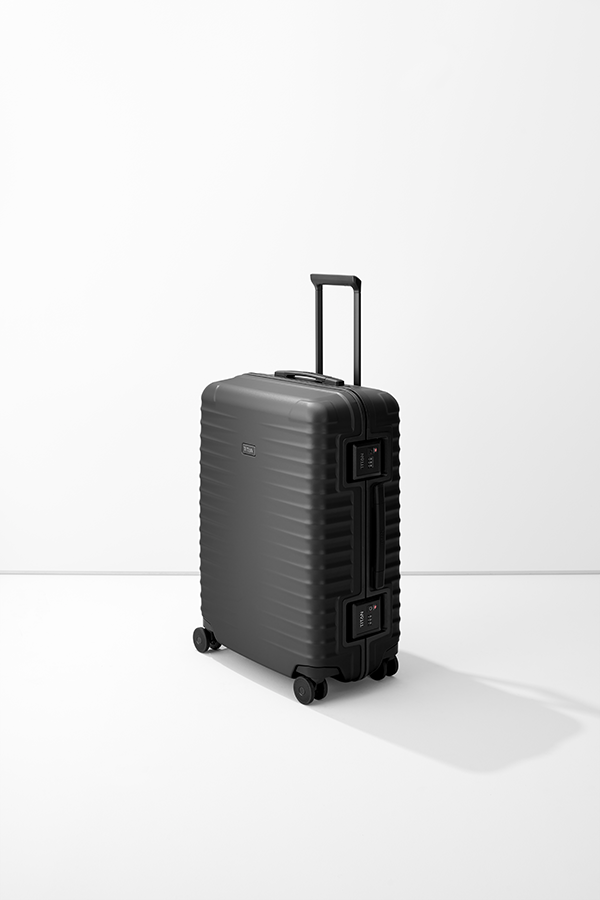
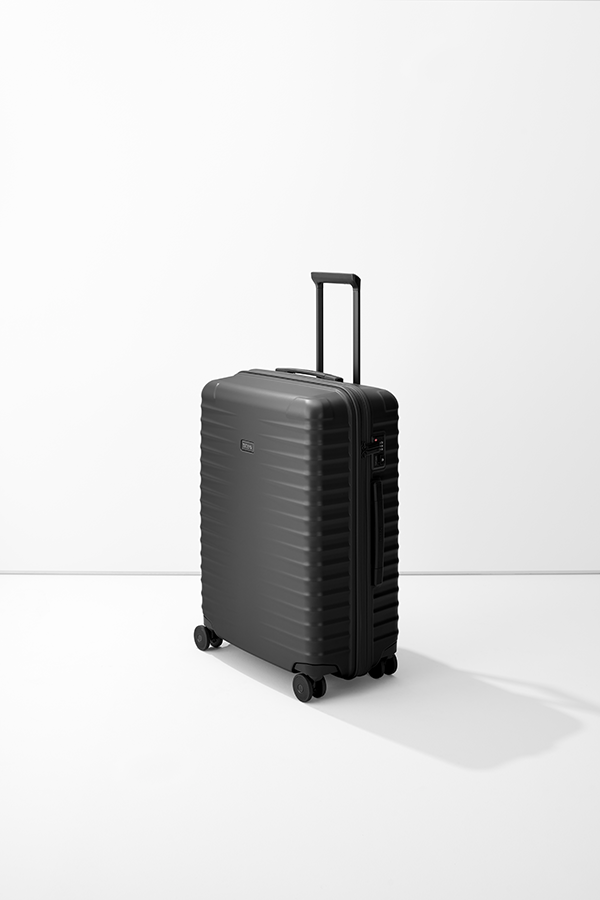
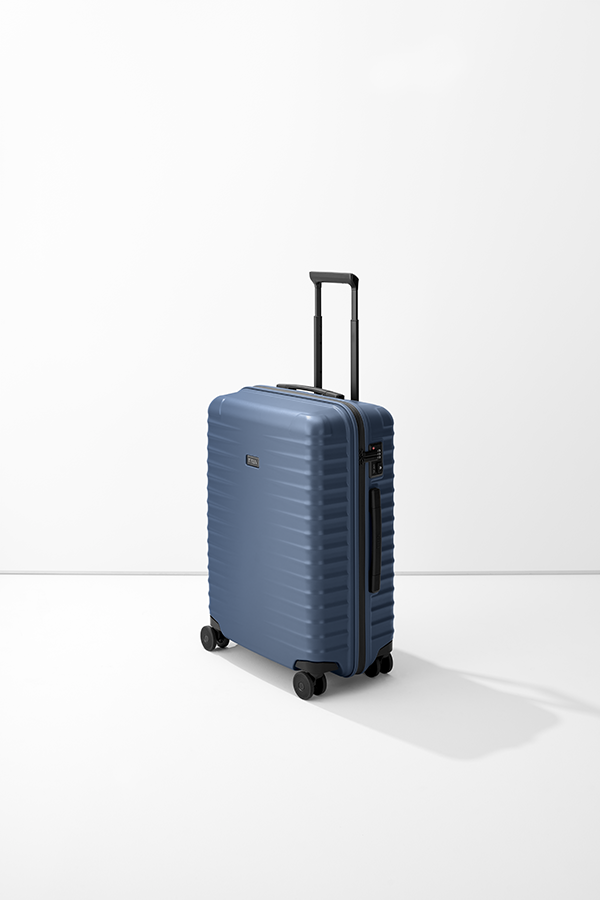
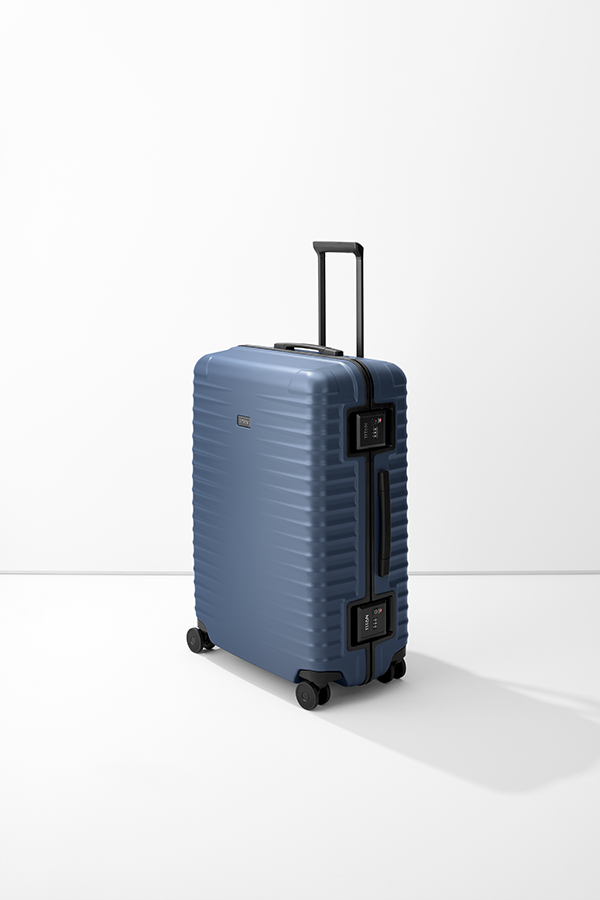
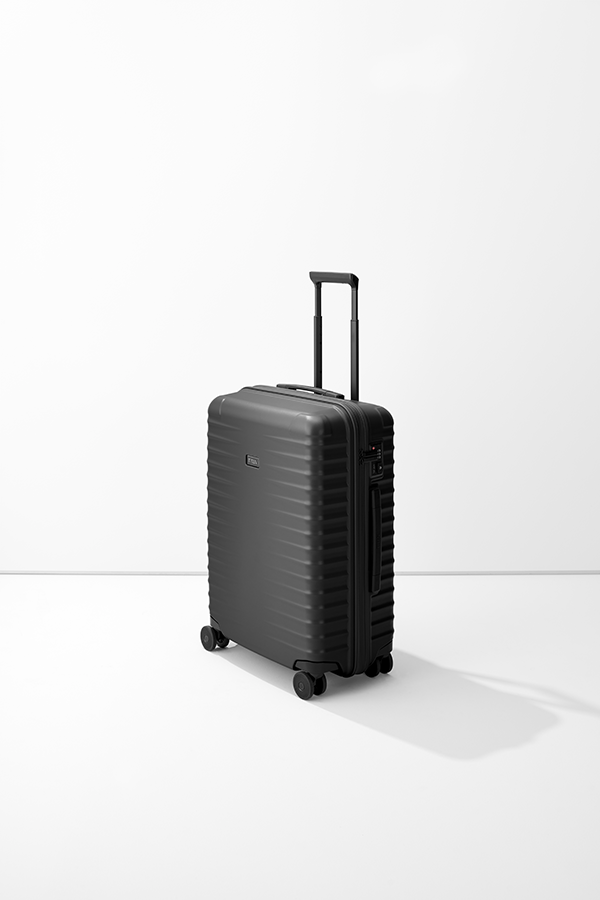
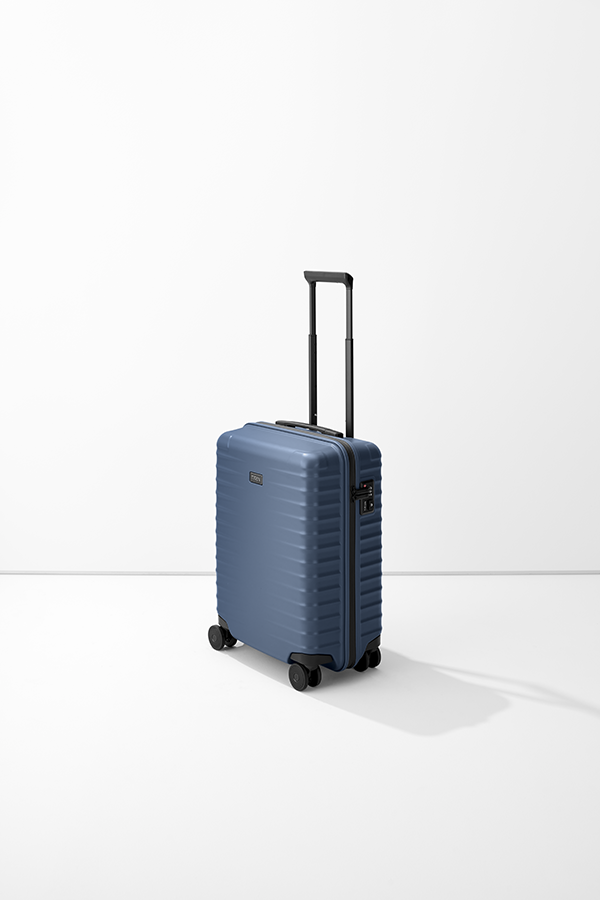
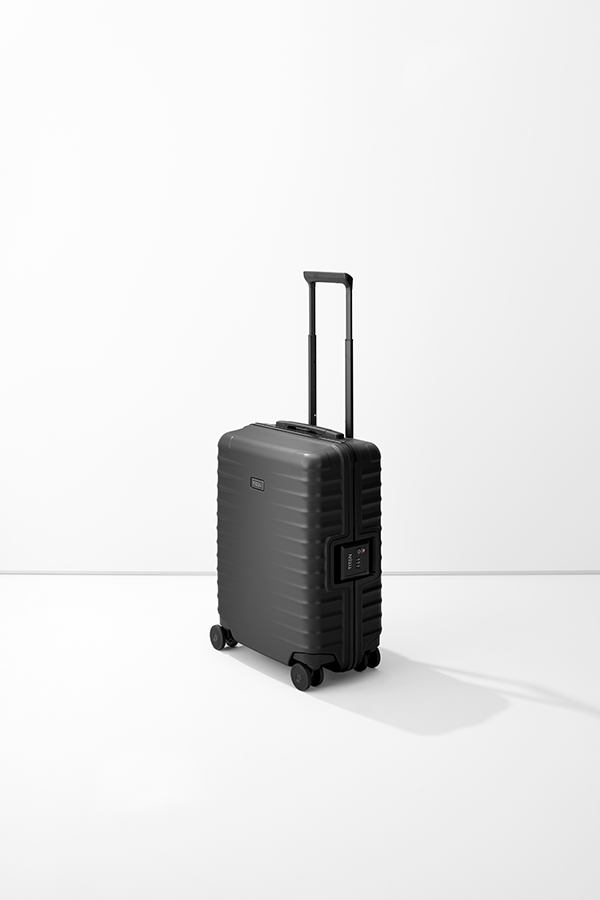
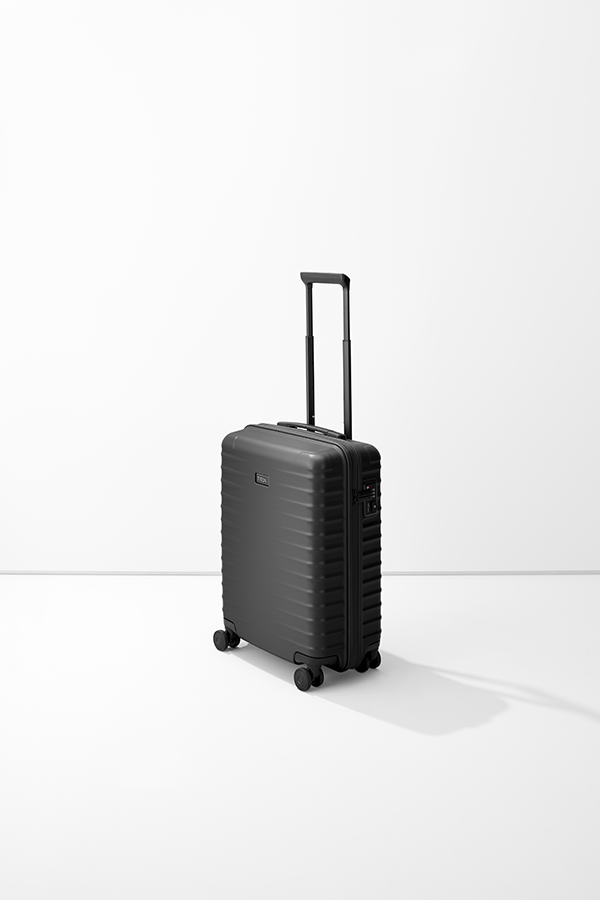
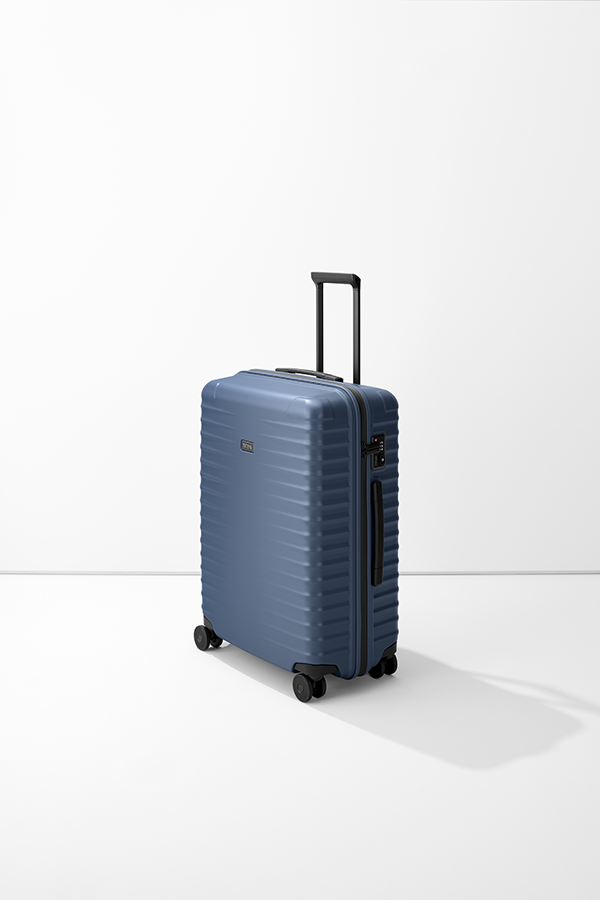
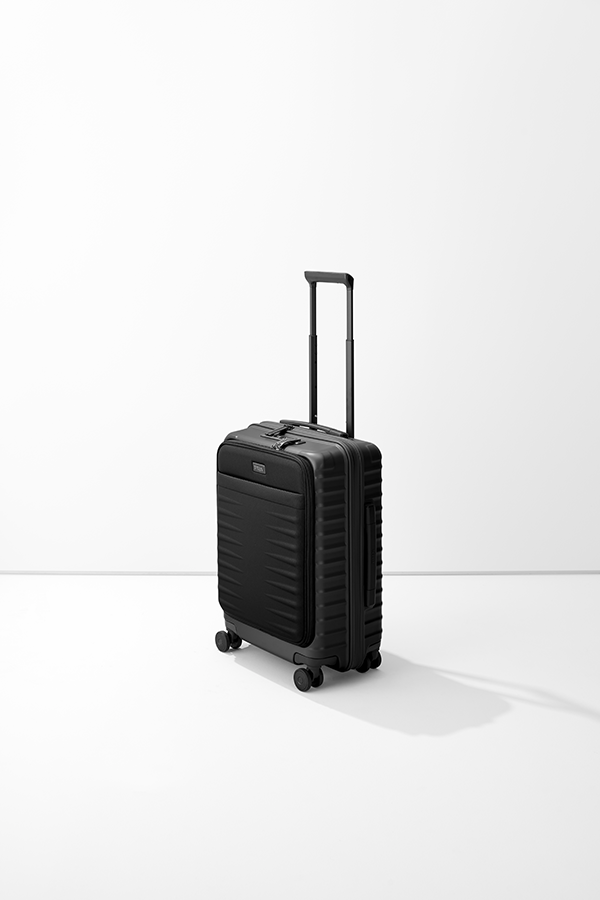
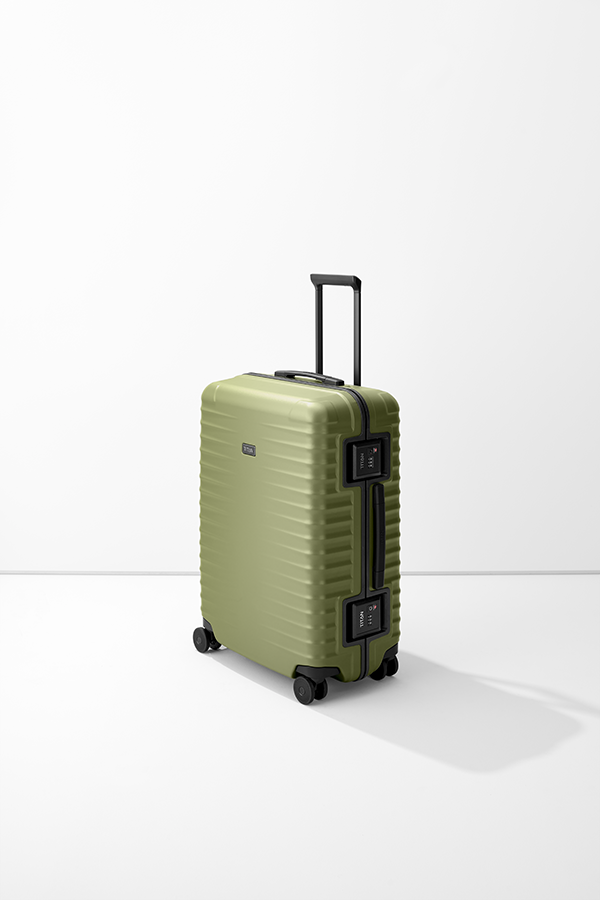
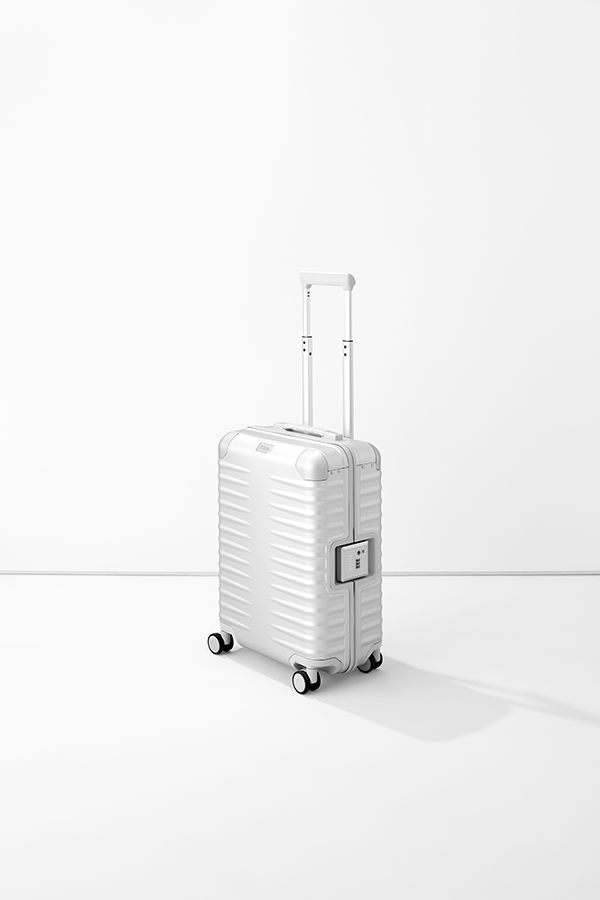
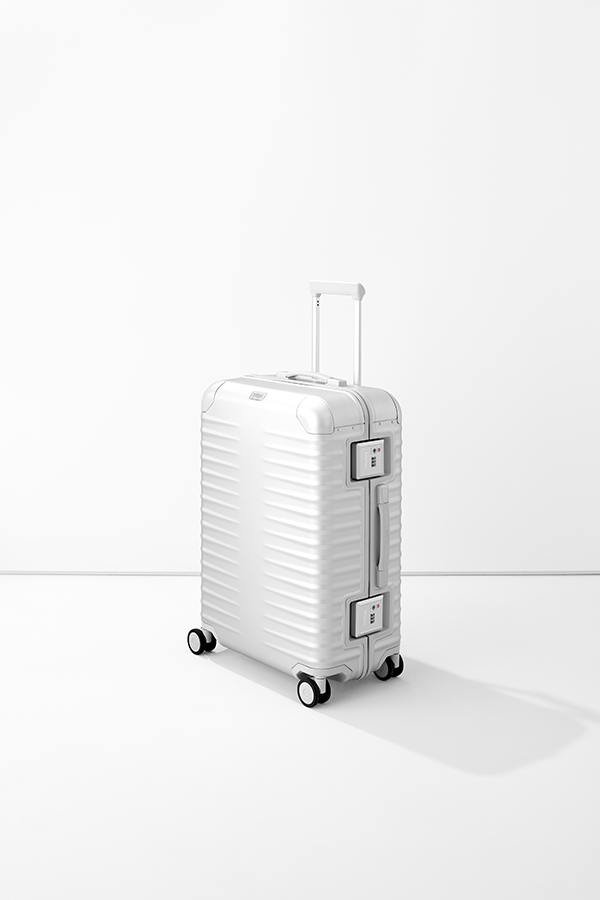
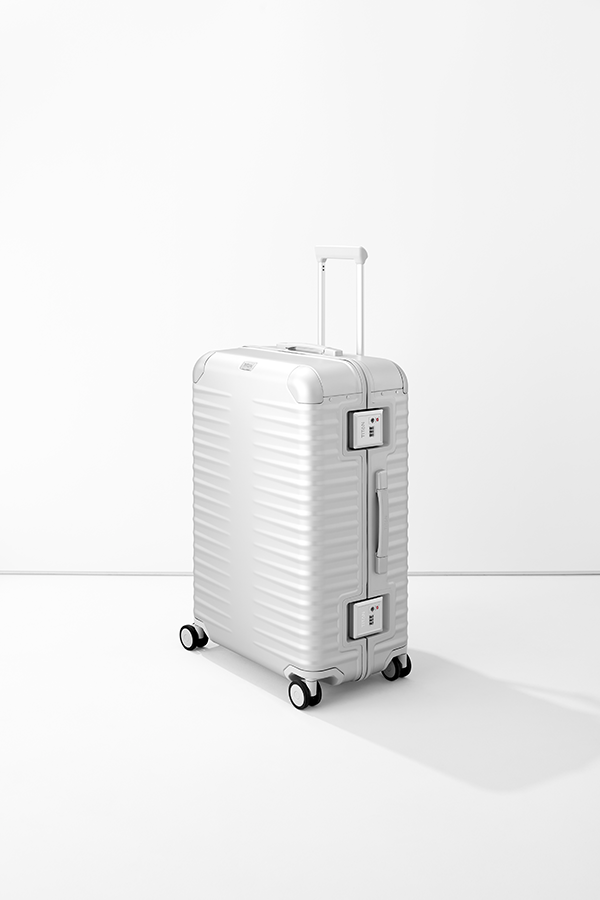
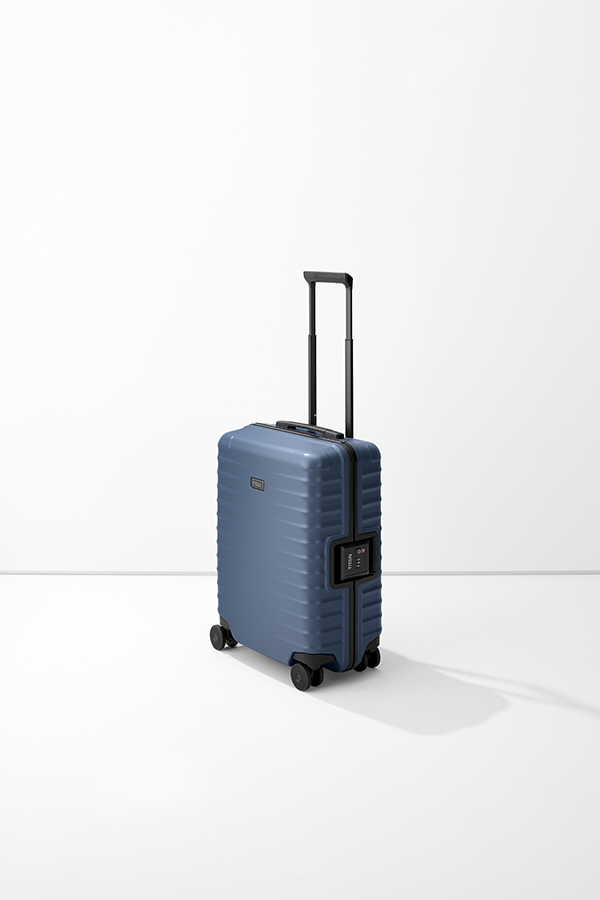
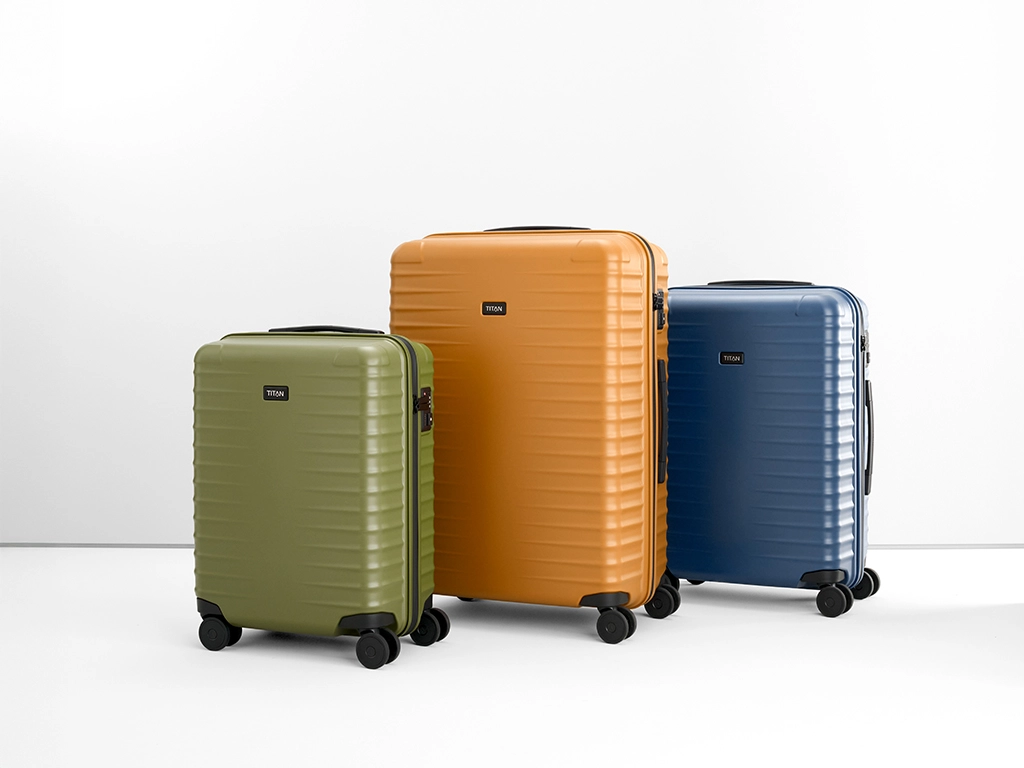
Three stylish hard-shell cases in green, orange and blue for travelling and luggage enthusiasts

Baggage reclaim at the airport – find suitcases faster at the baggage carousel

The baggage reclaim is the final stage of every flight – a moment that determines how smooth the arrival will be. As suitcases line up on the baggage carousel, it quickly becomes clear how difficult it can be to clearly identify your own baggage. Dark, classic colours in particular blend together visually and make orientation difficult.

It's not just the process that determines how long it takes to find your suitcase. Its design also plays a key role. Colour, surface and visual clarity directly influence how quickly a piece of luggage is perceived. Design thus becomes a functional factor.

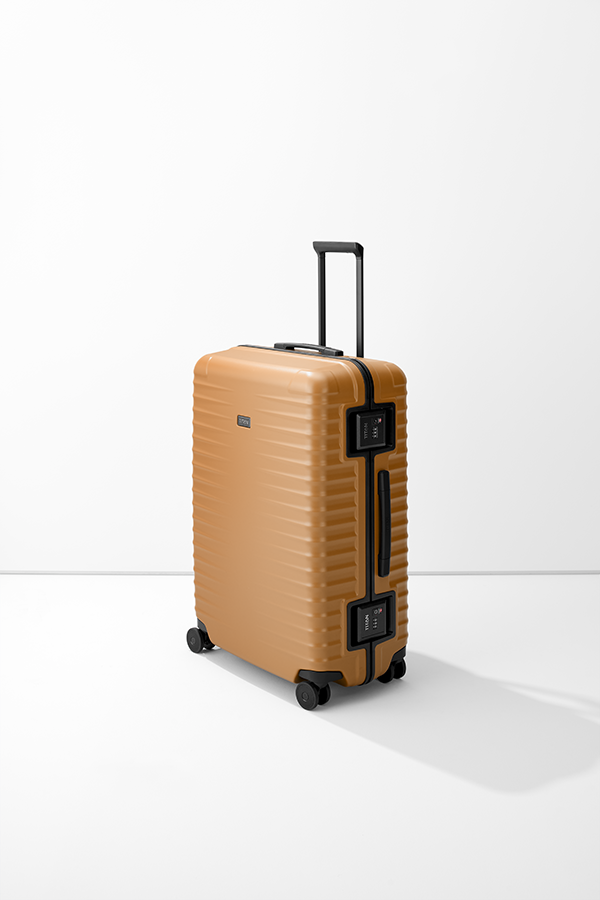
With the highlight colour Canyon Bronze from the UPGRADE series, TITAN translates this requirement into a clear solution. The warm, metallic shade deliberately stands out from the usual colours and facilitates identification at the baggage carousel – for a controlled, calm arrival.

Baggage reclaim at the airport – find suitcases faster at the baggage carousel

The baggage reclaim is the final stage of every flight – a moment that determines how smooth the arrival will be. As suitcases line up on the baggage carousel, it quickly becomes clear how difficult it can be to clearly identify your own baggage. Dark, classic colours in particular blend together visually and make orientation difficult.

It's not just the process that determines how long it takes to find your suitcase. Its design also plays a key role. Colour, surface and visual clarity directly influence how quickly a piece of luggage is perceived. Design thus becomes a functional factor.

With the highlight colour Canyon Bronze from the UPGRADE series, TITAN translates this requirement into a clear solution. The warm, metallic shade deliberately stands out from the usual colours and facilitates identification at the baggage carousel – for a controlled, calm arrival.

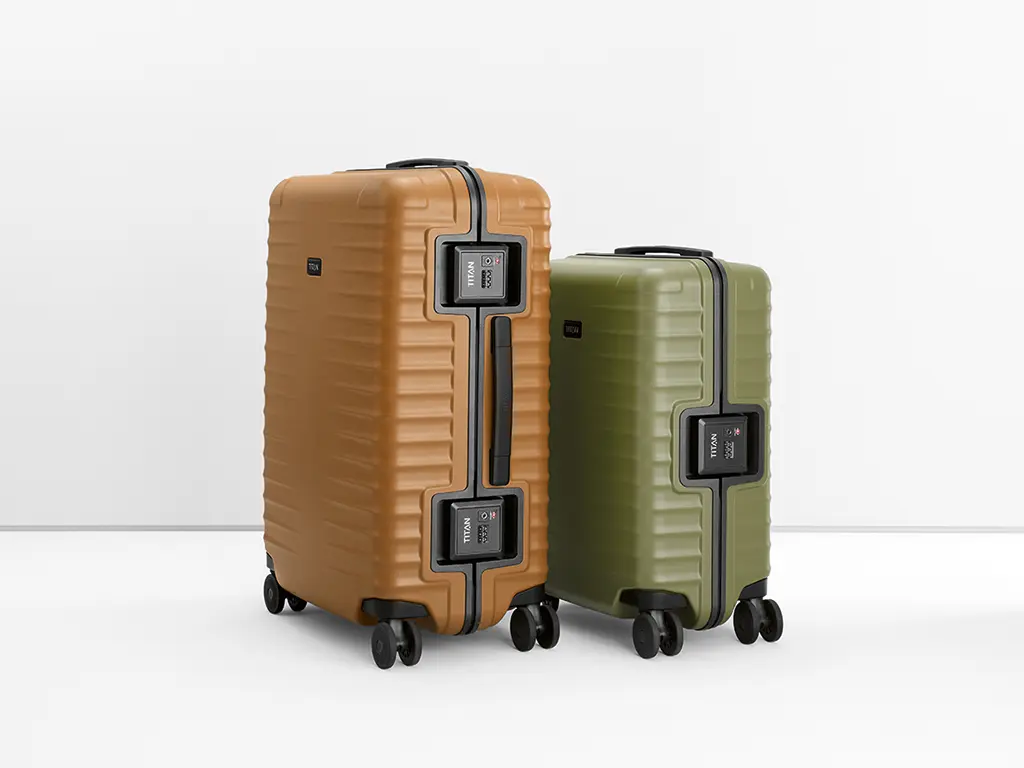
TITAN Suitcase and beauty case in Canyon Bronze

What happens at baggage reclaim at the airport?

After landing, a precisely timed process begins for checked baggage, which for travellers mostly takes place in the background. Only at baggage reclaim does it become visible how efficiently these processes interlock – and why the time until the first suitcase arrives can vary significantly from flight to flight.

Process from landing to the baggage carousel

For travellers, baggage reclaim often seems like a single moment. In reality, it consists of several successive steps that determine the time until the first suitcase appears:

  • Unloading the aircraft: After reaching the parking position, the cargo hold is opened and the baggage is unloaded. The sequence is fixed and depends, among other things, on which part of the aircraft the suitcases were stowed in, which type of aircraft is used, and how many service vehicles are available at the same time.
  • Sorting and transport to the baggage carousel: The suitcases are loaded onto transport vehicles and taken to the conveyor systems in the arrivals area. There, they are allocated to the respective baggage carousel. Modern, automated systems ensure a structured distribution, yet high capacity utilisation or parallel arrivals of several flights can lead to delays.
  • Provision for passengers: At the baggage carousel, the suitcases are loaded one after the other and set in motion. From this moment, baggage reclaim becomes visible to travellers. Now it is decided how quickly their own suitcase is recognised – and how long the search in the crowd of similar-looking pieces of luggage lasts.

Why there are often waiting times at baggage reclaim

Waiting times arise due to several factors that cannot be influenced. The handling order in the cargo hold determines when individual suitcases are unloaded. Added to this is the number of items of baggage: The fuller the flight, the longer it takes for delivery.

Differences between airports and airlines also play a role. Technical equipment, internal processes and staff availability influence how quickly the baggage carousel gets moving. For travellers, this means: The actual time at baggage reclaim is hardly predictable – but the recognisability of their own suitcase can be controlled.

The real problem at baggage reclaim: suitcases hardly differ

Baggage reclaim highlights a structural problem of modern suitcases. Many models are very similar in shape, material and colour. Uniform designs and subdued colour tones dominate the picture on the baggage carousel and make it difficult to unmistakably identify one's own piece of luggage at first glance. Even high-quality suitcases blend visually into the crowd.

Classic colours like black and grey stand for restraint and timelessness. At baggage reclaim, however, they lose their ability to stand out: 

  • High risk of confusion: Many hard-shell suitcases differ only by small details such as logo, lock, or surface structure. On the moving baggage carousel, these features are barely perceptible.
  • Longer search times: Travellers let several rotations go by to be sure it's really their own suitcase. This significantly increases the time spent at baggage reclaim.
  • Picking up the wrong bag: Suitcases are picked up, briefly checked, and put back – a common picture that slows down the whole process.
  • Unnecessary stress after landing: Instead of arriving relaxed, uncertainty arises. Especially with high passenger numbers or after long flights, baggage reclaim can be stressful.

What happens at baggage reclaim at the airport?

After landing, a precisely timed process begins for checked baggage, which for travellers mostly takes place in the background. Only at baggage reclaim does it become visible how efficiently these processes interlock – and why the time until the first suitcase arrives can vary significantly from flight to flight.

Process from landing to the baggage carousel

For travellers, baggage reclaim often seems like a single moment. In reality, it consists of several successive steps that determine the time until the first suitcase appears:

  • Unloading the aircraft: After reaching the parking position, the cargo hold is opened and the baggage is unloaded. The sequence is fixed and depends, among other things, on which part of the aircraft the suitcases were stowed in, which type of aircraft is used, and how many service vehicles are available at the same time.
  • Sorting and transport to the baggage carousel: The suitcases are loaded onto transport vehicles and taken to the conveyor systems in the arrivals area. There, they are allocated to the respective baggage carousel. Modern, automated systems ensure a structured distribution, yet high capacity utilisation or parallel arrivals of several flights can lead to delays.
  • Provision for passengers: At the baggage carousel, the suitcases are loaded one after the other and set in motion. From this moment, baggage reclaim becomes visible to travellers. Now it is decided how quickly their own suitcase is recognised – and how long the search in the crowd of similar-looking pieces of luggage lasts.

Why there are often waiting times at baggage reclaim

Waiting times arise due to several factors that cannot be influenced. The handling order in the cargo hold determines when individual suitcases are unloaded. Added to this is the number of items of baggage: The fuller the flight, the longer it takes for delivery.

Differences between airports and airlines also play a role. Technical equipment, internal processes and staff availability influence how quickly the baggage carousel gets moving. For travellers, this means: The actual time at baggage reclaim is hardly predictable – but the recognisability of their own suitcase can be controlled.

The real problem at baggage reclaim: suitcases hardly differ

Baggage reclaim highlights a structural problem of modern suitcases. Many models are very similar in shape, material and colour. Uniform designs and subdued colour tones dominate the picture on the baggage carousel and make it difficult to unmistakably identify one's own piece of luggage at first glance. Even high-quality suitcases blend visually into the crowd.

Classic colours like black and grey stand for restraint and timelessness. At baggage reclaim, however, they lose their ability to stand out: 

  • High risk of confusion: Many hard-shell suitcases differ only by small details such as logo, lock, or surface structure. On the moving baggage carousel, these features are barely perceptible.
  • Longer search times: Travellers let several rotations go by to be sure it's really their own suitcase. This significantly increases the time spent at baggage reclaim.
  • Picking up the wrong bag: Suitcases are picked up, briefly checked, and put back – a common picture that slows down the whole process.
  • Unnecessary stress after landing: Instead of arriving relaxed, uncertainty arises. Especially with high passenger numbers or after long flights, baggage reclaim can be stressful.
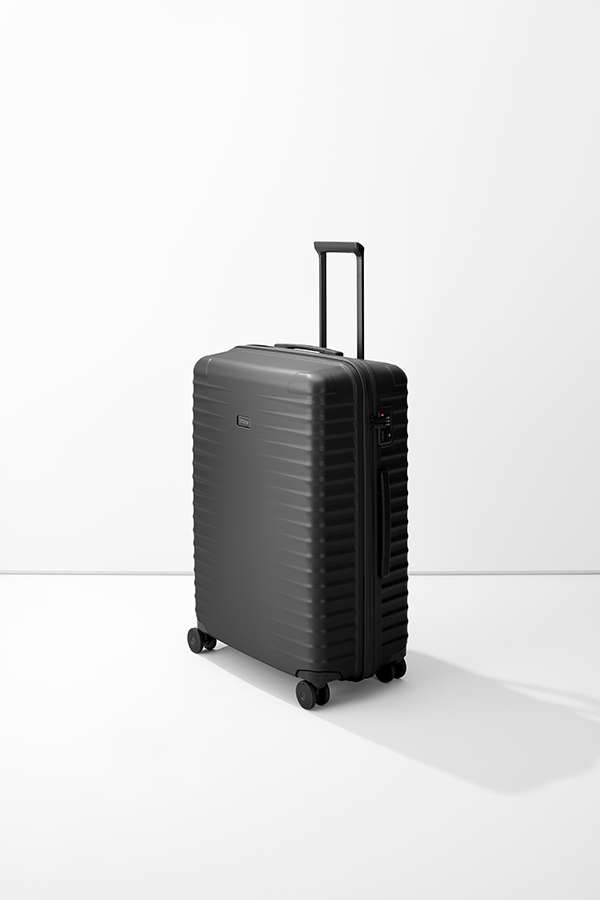
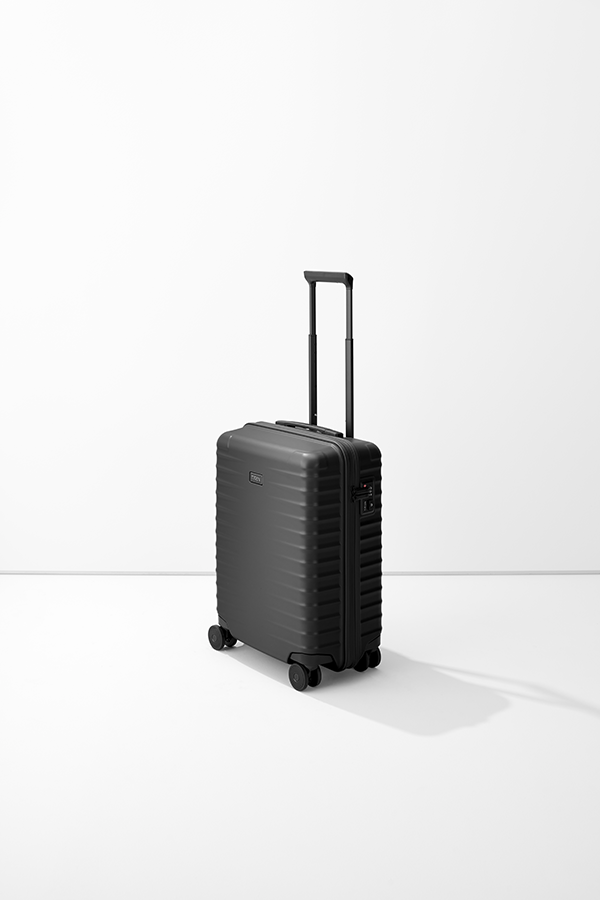
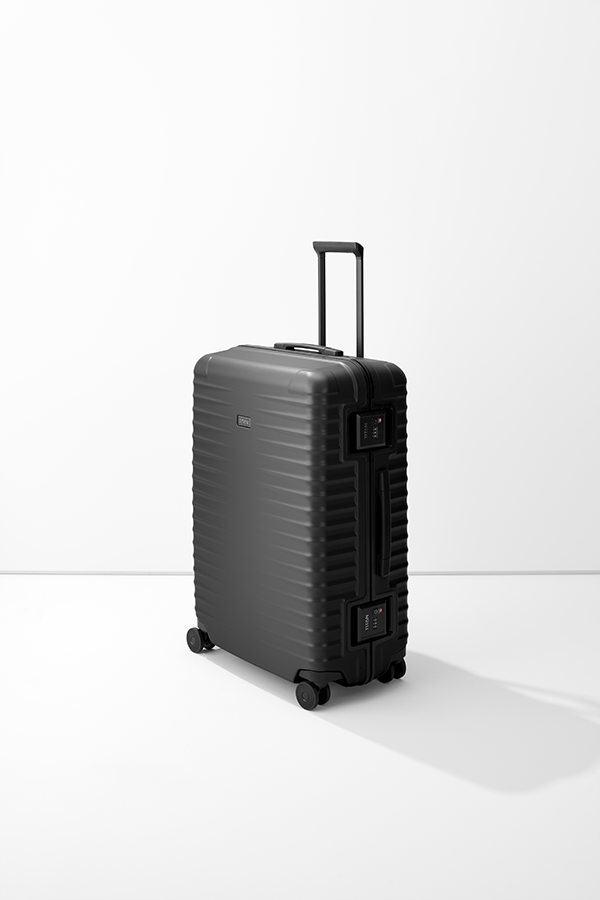
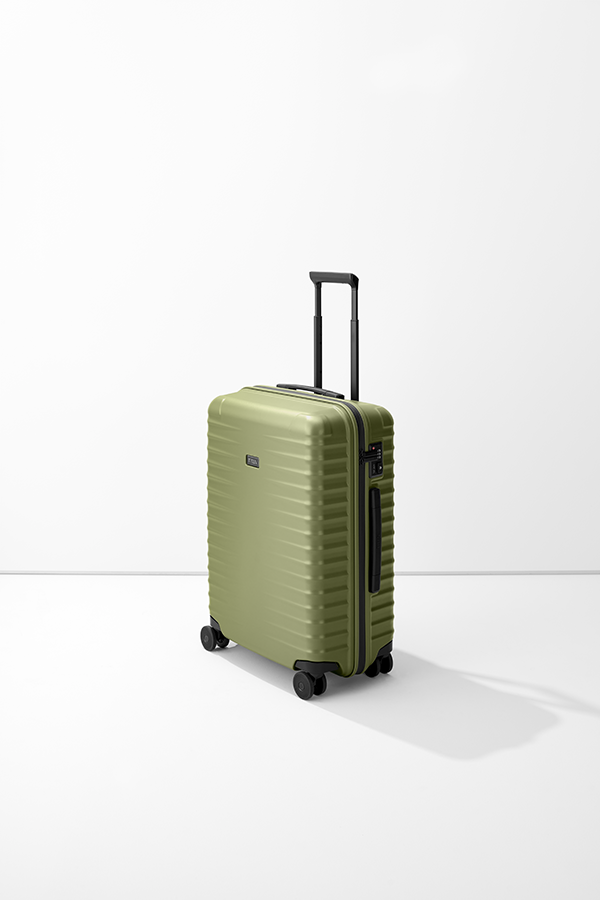
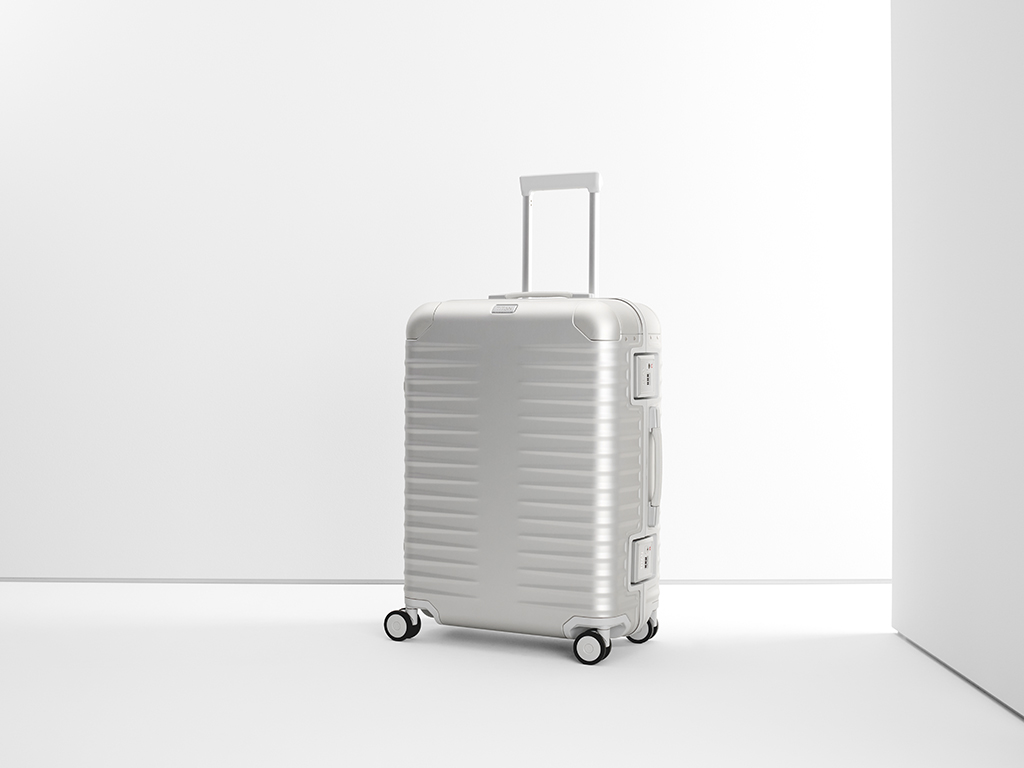
An olive green trolley case stands on a white background in front of a white wall. The case has a black extendable handle and four black wheels. The surface of the case is ribbed and has a small, rectangular logo.

Recognising suitcases more quickly at the baggage carousel – what’s important

When many models in identical suitcase sizes and similar colours come together at baggage reclaim, visual differentiation determines the speed of identification. Design thus becomes a functional instrument. It is not the baggage carousel that determines how long people search – but the clarity with which a suitcase stands out from its surroundings.

Colour as a decisive factor in baggage reclaim

The colour of a suitcase has a direct effect on perception and determines how clearly it stands out from its surroundings:

  • Visual perception from a distance: Travellers usually stand a few metres away from the baggage carousel. Colours with a clear presence can be clearly identified from this distance and enable early orientation.
  • Movement on the baggage carousel:Check-in suitcases are constantly in motion on the conveyor belt. Striking colours remain clearly visible even when passing by, while dark or very muted colours blend in visually.
  • Contrast with standard colours: As the majority of luggage is black, grey or dark blue, a clear colour contrast facilitates immediate identification and reduces search time.

Why eye-catching colours have advantages at baggage reclaim

A deliberately chosen colour has a direct impact on the baggage reclaim process:

  • Faster identification without multiple checks: Your own suitcase catches the eye earlier and does not have to be checked repeatedly.
  • Reduced risk of confusion with dense baggage volumes: Even with many suitcases travelling at the same time, the assignment remains clear.
  • Less time at the baggage carousel and a smoother arrival process: Clear visibility reduces waiting time and makes for a more relaxed arrival.

Canyon Bronze – visible, striking, unique

With Canyon Bronze, TITAN translates the functional requirement for visibility into a precisely defined colour scheme. The tone has been deliberately developed in such a way that it clearly stands out from the usual spectrum of classic case colours. It does not appear obtrusive, but rather confident and clear. Visibility is not created here through volume, but through targeted differentiation.

What the colour Canyon Bronze does at the baggage carousel

Canyon Bronze comes into its own on the baggage carousel where visual orientation is required:

  • Warm metal look: The finely tuned surface reflects light in a controlled manner and remains present even under changing light conditions. This creates an independent perception without dazzling or dominating.
  • Clear differentiation from dark mass colours: While black, grey and dark blue define the overall look, Canyon Bronze creates a deliberate contrast. This differentiation facilitates quick identification.
  • Highly recognisable from different angles: Even when viewed from the side or partially, the colour tone remains clearly identifiable. This reduces uncertainty and speeds up identification.

Canyon Bronze compared to classic suitcase colours

The functional effect of the colour is particularly clear in direct comparison:

  • Strong visual presence without being obtrusive: The colour stands out clearly without dominating visually. It remains strong in character and balanced at the same time.
  • Particularly visible in artificial light in arrivals halls: The metallic nuance reacts to artificial lighting with controlled reflection and increased depth effect.
  • Quick recognition even with high baggage volumes: Even when numerous suitcases arrive at the same time, Canyon Bronze remains clearly differentiated and supports immediate identification.

Further tips for finding your own suitcase more quickly at baggage reclaim

In addition to the choice of colour, there are supplementary measures that further increase recognisability. In combination with a clearly defined suitcase colour, this creates a well thought-out overall concept for better orientation at baggage reclaim.

Luggage tags, ribbons and customised features

  • Complementing the colour: Discreet luggage tags, coloured ribbons or individual markings reinforce visual differentiation. They support quick identification, especially from a short distance.
  • Additional security in the event of mix-ups: Personalised features create clarity in the details and reduce the risk of luggage items being accidentally mixed up – especially with similar models.

Positioning on the baggage carousel

Your own behaviour also influences how efficient baggage reclaim is.

  • Optimum locations: A position slightly offset from the start of the baggage carousel enables arriving suitcases to be recognised early and a targeted response to be made.
  • Calm overview instead of hectic searching: A fixed position with a clear view of the belt is more effective than constantly changing position. Concentration replaces restlessness.

Conclusion: Less searching at baggage reclaim thanks to clear visibility

Baggage reclaim is more than just a logistical process. It is a moment of orientation. Design has a direct influence on this moment – not as a stylistic device, but as a functional element.

A clear, deliberately chosen colour shortens the identification process, reduces uncertainty and creates a structured process. With Canyon Bronze from the UPGRADE series TITAN visibility with precision and timeless design. The journey does not end with unnecessary waiting, but with a confident, controlled arrival – in the signature style of TITAN.

Recognising suitcases more quickly at the baggage carousel – what’s important

When many models in identical suitcase sizes and similar colours come together at baggage reclaim, visual differentiation determines the speed of identification. Design thus becomes a functional instrument. It is not the baggage carousel that determines how long people search – but the clarity with which a suitcase stands out from its surroundings.

Colour as a decisive factor in baggage reclaim

The colour of a suitcase has a direct effect on perception and determines how clearly it stands out from its surroundings:

  • Visual perception from a distance: Travellers usually stand a few metres away from the baggage carousel. Colours with a clear presence can be clearly identified from this distance and enable early orientation.
  • Movement on the baggage carousel:Check-in suitcases are constantly in motion on the conveyor belt. Striking colours remain clearly visible even when passing by, while dark or very muted colours blend in visually.
  • Contrast with standard colours: As the majority of luggage is black, grey or dark blue, a clear colour contrast facilitates immediate identification and reduces search time.

Why eye-catching colours have advantages at baggage reclaim

A deliberately chosen colour has a direct impact on the baggage reclaim process:

  • Faster identification without multiple checks: Your own suitcase catches the eye earlier and does not have to be checked repeatedly.
  • Reduced risk of confusion with dense baggage volumes: Even with many suitcases travelling at the same time, the assignment remains clear.
  • Less time at the baggage carousel and a smoother arrival process: Clear visibility reduces waiting time and makes for a more relaxed arrival.

Canyon Bronze – visible, striking, unique

With Canyon Bronze, TITAN translates the functional requirement for visibility into a precisely defined colour scheme. The tone has been deliberately developed in such a way that it clearly stands out from the usual spectrum of classic case colours. It does not appear obtrusive, but rather confident and clear. Visibility is not created here through volume, but through targeted differentiation.

What the colour Canyon Bronze does at the baggage carousel

Canyon Bronze comes into its own on the baggage carousel where visual orientation is required:

  • Warm metal look: The finely tuned surface reflects light in a controlled manner and remains present even under changing light conditions. This creates an independent perception without dazzling or dominating.
  • Clear differentiation from dark mass colours: While black, grey and dark blue define the overall look, Canyon Bronze creates a deliberate contrast. This differentiation facilitates quick identification.
  • Highly recognisable from different angles: Even when viewed from the side or partially, the colour tone remains clearly identifiable. This reduces uncertainty and speeds up identification.

Canyon Bronze compared to classic suitcase colours

The functional effect of the colour is particularly clear in direct comparison:

  • Strong visual presence without being obtrusive: The colour stands out clearly without dominating visually. It remains strong in character and balanced at the same time.
  • Particularly visible in artificial light in arrivals halls: The metallic nuance reacts to artificial lighting with controlled reflection and increased depth effect.
  • Quick recognition even with high baggage volumes: Even when numerous suitcases arrive at the same time, Canyon Bronze remains clearly differentiated and supports immediate identification.

Further tips for finding your own suitcase more quickly at baggage reclaim

In addition to the choice of colour, there are supplementary measures that further increase recognisability. In combination with a clearly defined suitcase colour, this creates a well thought-out overall concept for better orientation at baggage reclaim.

Luggage tags, ribbons and customised features

  • Complementing the colour: Discreet luggage tags, coloured ribbons or individual markings reinforce visual differentiation. They support quick identification, especially from a short distance.
  • Additional security in the event of mix-ups: Personalised features create clarity in the details and reduce the risk of luggage items being accidentally mixed up – especially with similar models.

Positioning on the baggage carousel

Your own behaviour also influences how efficient baggage reclaim is.

  • Optimum locations: A position slightly offset from the start of the baggage carousel enables arriving suitcases to be recognised early and a targeted response to be made.
  • Calm overview instead of hectic searching: A fixed position with a clear view of the belt is more effective than constantly changing position. Concentration replaces restlessness.

Conclusion: Less searching at baggage reclaim thanks to clear visibility

Baggage reclaim is more than just a logistical process. It is a moment of orientation. Design has a direct influence on this moment – not as a stylistic device, but as a functional element.

A clear, deliberately chosen colour shortens the identification process, reduces uncertainty and creates a structured process. With Canyon Bronze from the UPGRADE series TITAN visibility with precision and timeless design. The journey does not end with unnecessary waiting, but with a confident, controlled arrival – in the signature style of TITAN.

Frequently asked questions about baggage reclaim

The duration of baggage reclaim varies depending on the airport, airline and capacity utilisation of the flight. As a rule, the first items of baggage appear around 10 to 30 minutes after landing. Factors such as the check-in sequence in the hold, the number of checked bags and parallel flight arrivals can influence the time taken.
The order in which items of baggage are stowed in the aircraft largely determines the time of unloading. Suitcases from different areas of the hold are not unloaded at the same time. In addition, organisational processes or high capacity utilisation at the baggage system can lead to delays.
Dark colours such as black or grey dominate the overall picture on the baggage carousel. As many travellers use similar models, a visual unity is created in which individual suitcases hardly stand out. Small differences in details are difficult to notice when travelling, which delays identification.
A clearly recognisable suitcase colour makes visual identification much easier. The more the item of luggage stands out from its surroundings, the quicker it can be identified. In addition, individual features such as luggage tags or discreet markings can further increase recognisability.