
10-YEAR WARRANTY ON ALL ‘MADE IN GERMANY’ PRODUCTS
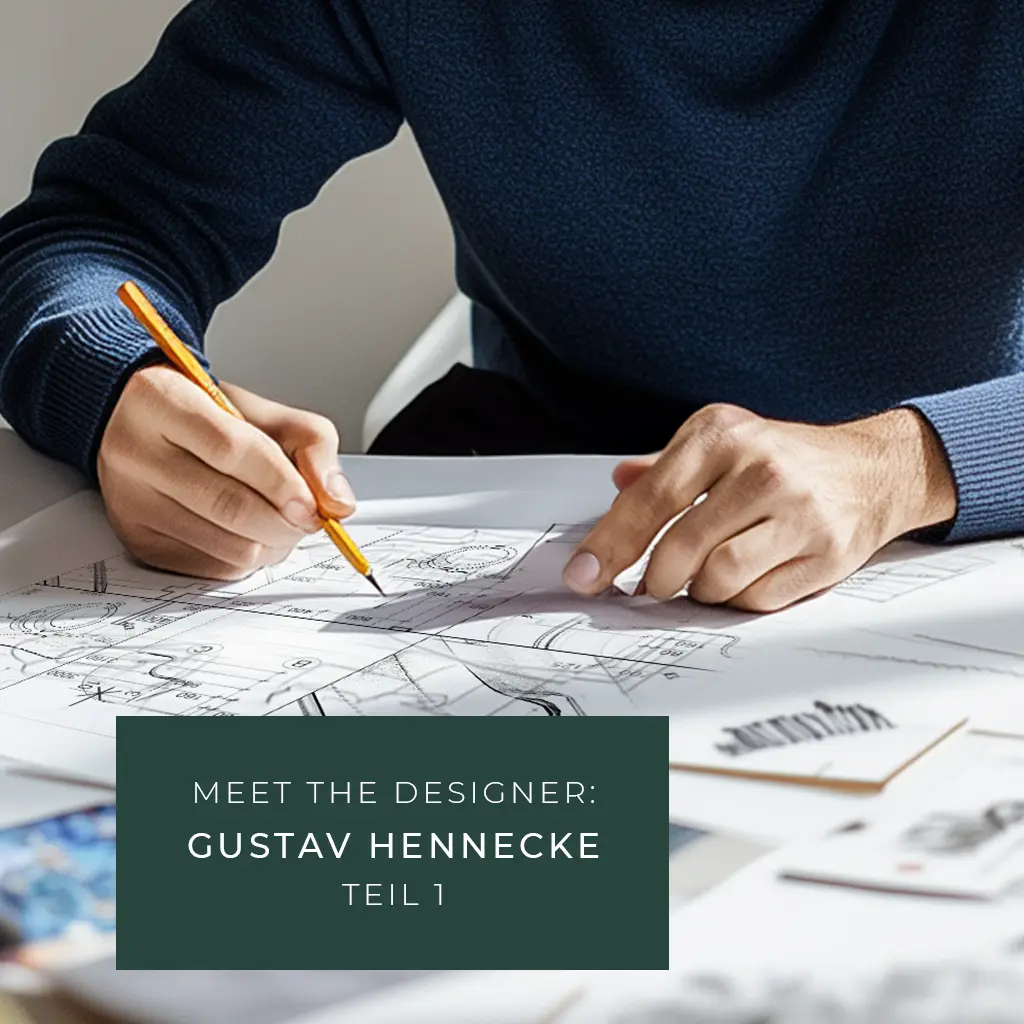
A man in a blue jumper sits at a white table and works on a construction plan. He is holding a pencil in his hand and drawing lines on the paper. Around him are various sketches, patterns and pens.
A man in a blue jumper is sitting at a table working on a technical drawing with a yellow pen. The focus is on his hands and the detailed plan. A green banner with text can be seen in the foreground.

Meet the Designer: Gustav Hennecke PART I 


Our cases are lovingly handcrafted. This applies not only to the manufacture of the products in the Bavarian forest, but also to the idea behind the suitcase. Our creative mind for the TITAN products is Gustav Hennecke. He is the product designer for the TITAN suitcases and works extensively on our luggage every day.

Find out exactly what quality means to him, how his designs come about and why TITAN suitcases differ from other luggage.

Meet the Designer: Gustav Hennecke PART I 


Our cases are lovingly handcrafted. This applies not only to the manufacture of the products in the Bavarian forest, but also to the idea behind the suitcase. Our creative mind for the TITAN products is Gustav Hennecke. He is the product designer for the TITAN suitcases and works extensively on our luggage every day.

Find out exactly what quality means to him, how his designs come about and why TITAN suitcases differ from other luggage.
-
About Gustav


Gustav Hennecke ist leidenschaftlicher Designer, bereits als Kind galt das Zeichnen von Objekten zu seinen liebsten Beschäftigungen. Neben dem kreativen Zeichenprozess, war es vor allem auch die unterschiedliche Formgebung von Objekten, die ihn begeisterte und ihn dazu veranlasste bestehende Designs zu hinterfragen. Der Wunsch Designer für Produkte zu werden entwickelte sich spätestens im Studium, als sein Interesse für die Funktion von Gegenständen, die des künstlerischen Designs überwog. Seit 2017 ist Gustav nun bei TITAN und hier als Produktdesigner für alle unsere Designs verantwortlich.
Portrait of a middle-aged man with glasses and a chequered shirt against a green background. He has short grey hair and a light beard.

About Gustav

Gustav Hennecke is a passionate designer; even as a child, drawing objects was one of his favourite pastimes. In addition to the creative drawing process, it was above all the different shapes of objects that inspired him and prompted him to scrutinise existing designs. The desire to become a product designer developed during his studies at the latest, when his interest in the function of objects outweighed that of artistic design. Gustav has been with TITAN since 2017 and is responsible for all our designs as a product designer.

The development of new designs seems to be primarily a creative process. Where do you get your ideas from? 

Yes and no. The development of a new design definitely has an artistic aspect, but when it comes to luggage, functionality is at least as important, if not more so. If the most beautiful suitcase doesn't work well, I don't like using it. It's important to me that aesthetics and functionality work well together. I see the development of new functions for the case as just as creative a process as the design of the external appearance. Both aspects have to go hand in hand and are crucial for me to create a high-quality product. 


What do you look for when developing a new design? 

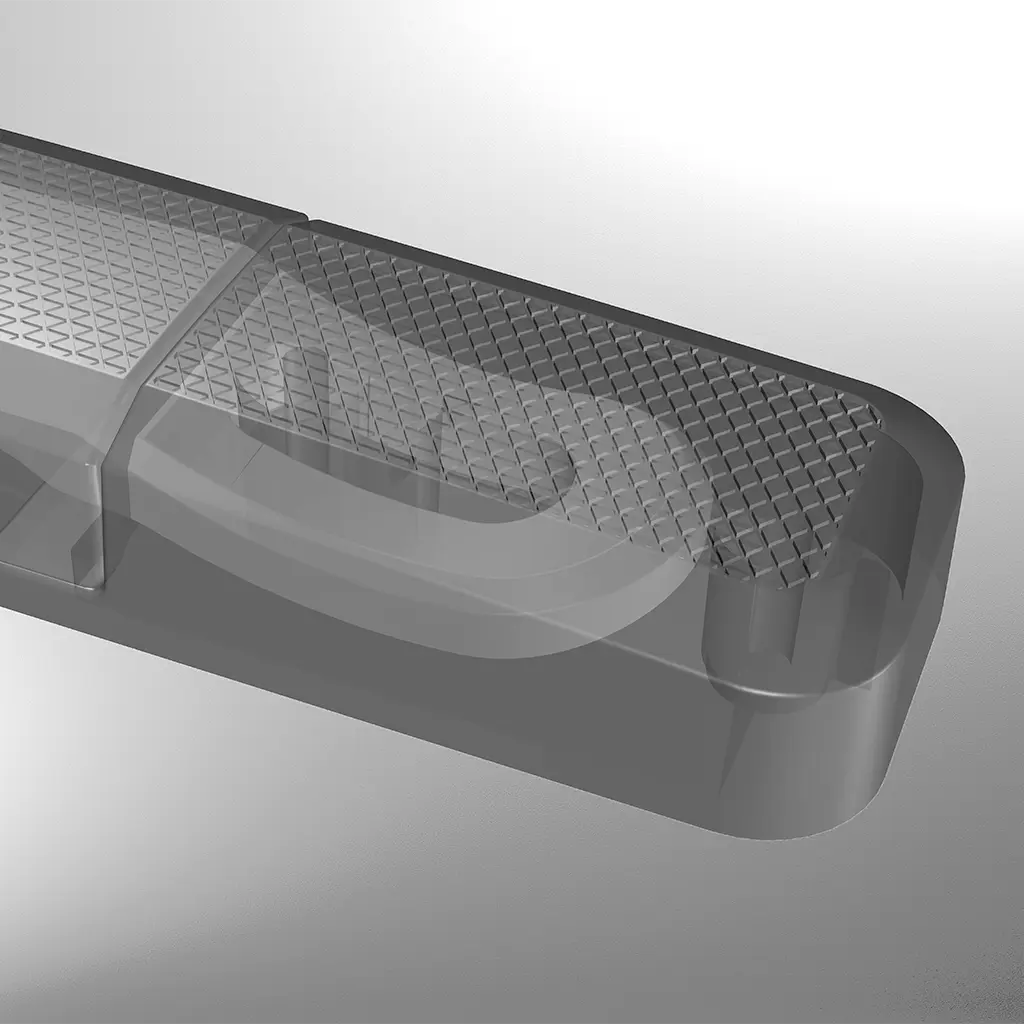
First and foremost, the pure appearance of a suitcase is of course important. However, unlike many other products, each individual component of the case also has a very specific function. This includes the shell, whose design can have an influence on the stability of the case and its resistance to scratches, for example. The shell design is therefore not just a question of styling, but also of function.
Another important point alongside design and function is the durability of our products. This should be reflected in the design, but also in the technical development, where we already take into account that our cases can also be easily repaired later if the worst comes to the worst.
What are the challenges you face when designing? 

A suitcase is like a coherent organism in which all parts must harmonise well with each other. Only when flawless function is guaranteed will the suitcase become the faithful companion that I can look forward to travelling with again and again. If I change something in one component, this in turn has an effect on another.
In addition, the design corset is relatively tight. The basic shape of the suitcase never changes much and yet I have the ambition to develop a design that doesn't yet exist.


What does quality in luggage mean to you?

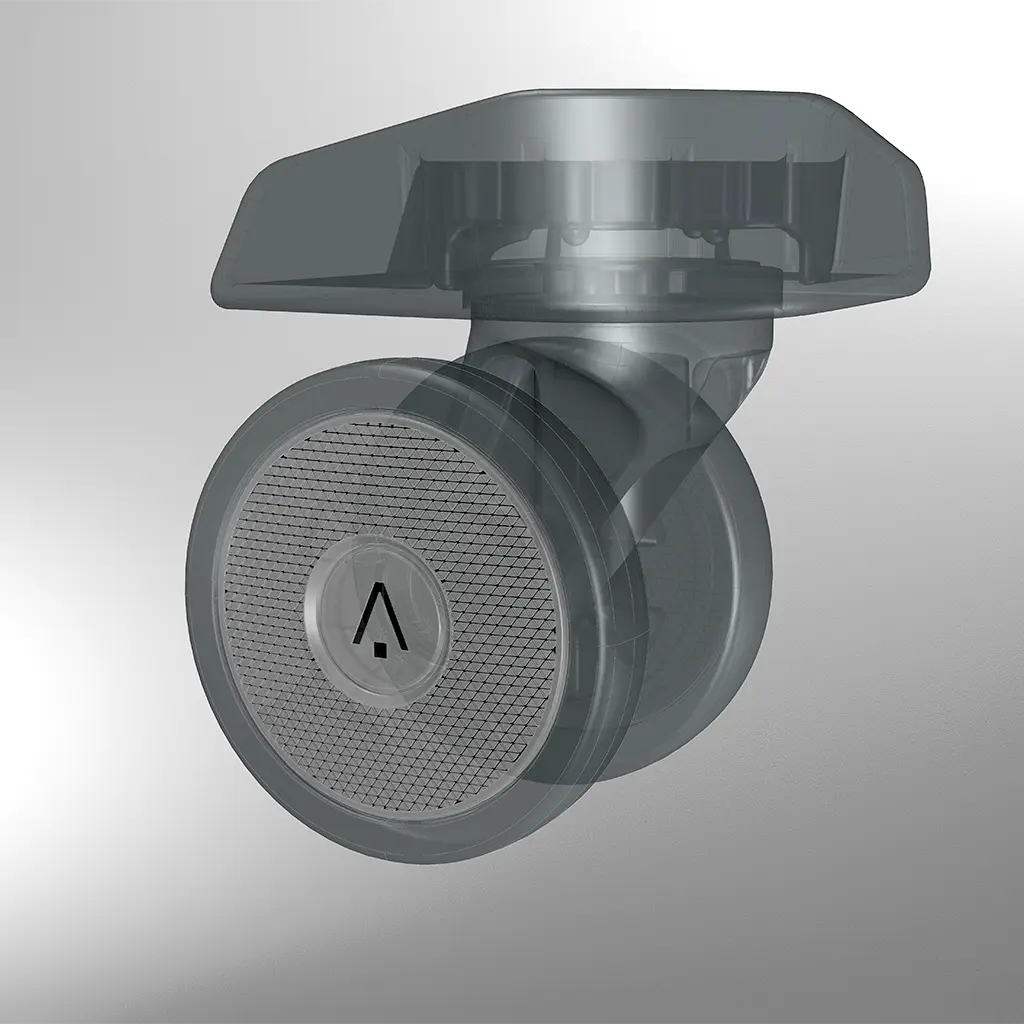
Many suitcases stand out because something is not working well. The wheels run unevenly and are too loud, the zip is snaggy, the interior layout is impractical and so on.
For me, quality means first and foremost that I enjoy using my suitcase, whether it's because the large wheels make it very comfortable and quiet to use, or because the well thought-out interior layout allows me to store my clothes in a sensible and organised way. Or simply because I enjoy the design of the interior every time I open it to put my things in.
Of course, the durability of each individual component and, last but not least, repairability play an important role in the quality of the case.
When these points come together in a product, I realise that designers and developers have really put some thought into it.

Find out in Part II what you should look out for when buying your next suitcase, what distinguishes TITAN suitcases from other luggage and why small screws make a big difference.

You can read Meet the Designer: Gustav Hennecke Part II here at TITAN UNZIPPED NEWS & STORIES from 24 March 2025.

The development of new designs seems to be primarily a creative process. Where do you get your ideas from? 


Yes and no. The development of a new design definitely has an artistic aspect, but when it comes to luggage, functionality is at least as important, if not more so. If the most beautiful suitcase doesn't work well, I don't like using it. It's important to me that aesthetics and functionality work well together. I see the development of new functions for the case as just as creative a process as the design of the external appearance. Both aspects have to go hand in hand and are crucial for me to create a high-quality product. 


What do you look for when developing a new design? 

First and foremost, the pure appearance of a suitcase is of course important. However, unlike many other products, each individual component of the case also has a very specific function. This includes the shell, whose design can have an influence on the stability of the case and its resistance to scratches, for example. The shell design is therefore not just a question of styling, but also of function.
Another important point alongside design and function is the durability of our products. This should be reflected in the design, but also in the technical development, where we already take into account that our cases can also be easily repaired later if the worst comes to the worst. 

What are the challenges you face when designing? 

A suitcase is like a coherent organism in which all parts must harmonise well with each other. Only when flawless function is guaranteed will the suitcase become the faithful companion that I can look forward to travelling with again and again. If I change something in one component, this in turn has an effect on another.
In addition, the design corset is relatively tight. The basic shape of the suitcase never changes much and yet I have the ambition to develop a design that doesn't yet exist.  


What does quality in luggage mean to you?

Many suitcases stand out because something is not working well. The wheels run unevenly and are too loud, the zip is snaggy, the interior layout is impractical and so on.
For me, quality means first and foremost that I enjoy using my suitcase, whether it's because the large wheels make it very comfortable and quiet to use, or because the well thought-out interior layout allows me to store my clothes in a sensible and organised way. Or simply because I enjoy the design of the interior every time I open it to put my things in.
Of course, the durability of each individual component and, last but not least, repairability play an important role in the quality of the case.
When these points come together in a product, I realise that designers and developers have really put some thought into it.

Find out in Part II what you should look out for when buying your next suitcase, what distinguishes TITAN suitcases from other luggage and why small screws make a big difference.

Meet the Designer: Gustav Hennecke Part II can be read from 24/03/2025 here on TITAN UNZIPPED NEWS & STORIES.

Gustav, in your opinion, what distinguishes a TITAN suitcase from other luggage?

We focus on quality down to the smallest detail. We attach great importance to every component and ensure excellent, consistent workmanship. Of course, there are other manufacturers who offer high quality, but they often cut corners on components such as the wheels or the zip. At TITAN, every component is 100 per cent quality, and you can really feel the difference when using our suitcases.


What do you find particularly special about working for TITAN?
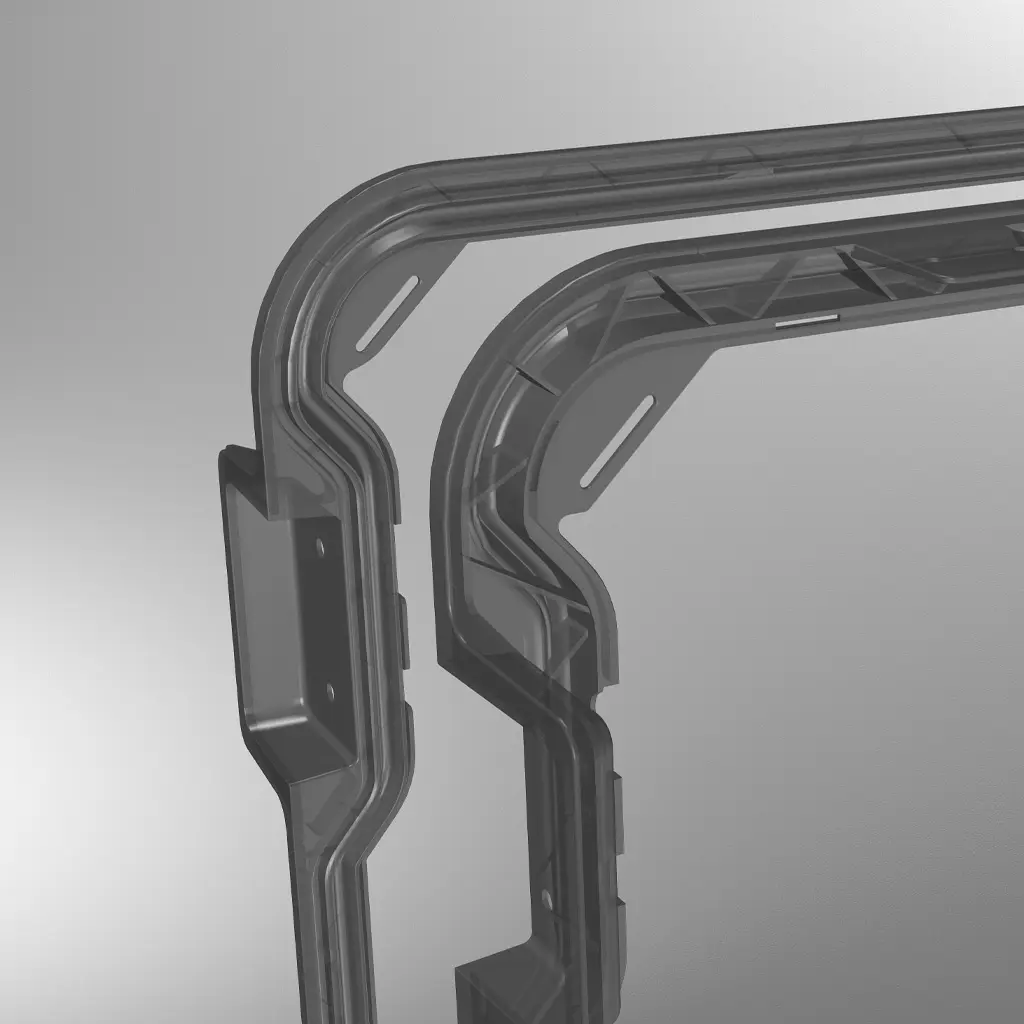
Above all, I enjoy being part of the vision to develop the best suitcases and manufacture them in Germany at our own factory. At TITAN, I have the opportunity to work on a wide variety of topics every day, such as design, technical development and materials. We focus on the product down to the very last detail; sometimes, the search for the perfect screw can take several weeks. Even if it’s just a small component, these meticulous processes are crucial for us in optimising the quality and functionality of the suitcase. For many components, I’m involved from the initial idea through development and design right through to production; I can contribute my own ideas and influence processes. It’s incredibly enjoyable and really is something very special – something you don’t find in this form in many manufacturing companies.  


In your opinion, what features or characteristics should buyers look out for when buying a suitcase?

As well as choosing the right size of suitcase, what matters most to me is that my suitcase has a well-designed interior layout. Personally, I prefer suitcases with closed packing compartments in both halves of the case, as each side can be closed individually with a zip. This keeps everything in place and prevents me from accidentally catching a piece of clothing that’s sticking out when I’m zipping the suitcase shut. The quality of the components is also very important to me, particularly wheels that run really quietly and are large enough. Nothing is worse than a suitcase that rattles loudly along the pavement and is difficult to manoeuvre. One point that’s often overlooked when buying a suitcase is the after-sales service. If the suitcase does happen to break, it’s very frustrating if customers only get it back from the repair shop after two or three months. Or if spare parts are no longer available and the suitcase can’t be repaired at all. I’d definitely ask about this at the point of purchase, especially if I’m opting for a more expensive suitcase.


What makes a TITAN suitcase so special to you?

For me, it’s the complete package: quality, well-thought-out features and German manufacturing. The quality of the product simply makes it a pleasure to use the suitcase. We also ensure that our suitcases are repairable. We can replace all external components, the interior straps, and—in the case of our hard-shell suitcases—even the entire lining. What’s more, a great deal of passion goes into every one of our suitcases. Every time I see one of our suitcases at the airport or railway station, it always fills me with a little pride. A suitcase from TITAN is genuinely handcrafted in Germany – something that’s truly special in this day and age.

Gustav, in your opinion, what distinguishes a TITAN suitcase from other luggage?

We focus on quality down to the smallest detail. We attach great importance to every component and ensure excellent, consistent workmanship. Of course, there are other manufacturers who offer high quality, but they often cut corners on components such as the wheels or the zip. At TITAN, every component is 100 per cent quality, and you can really feel the difference when using our suitcases.


What do you find particularly special about working for TITAN?
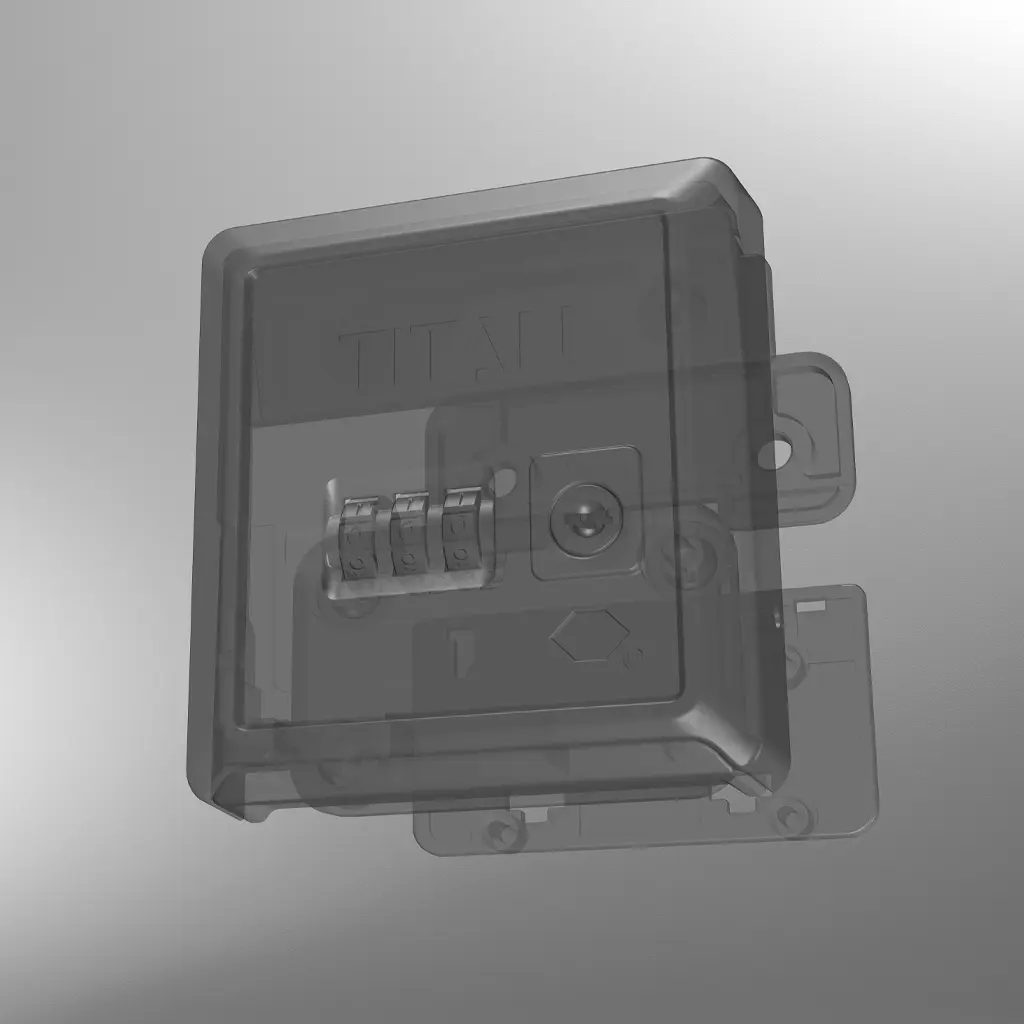
Above all, I enjoy being part of the vision to develop the best suitcases and manufacture them in Germany at our own factory. At TITAN, I have the opportunity to work on a wide variety of topics every day, such as design, technical development and materials. We focus on the product down to the very last detail; sometimes, the search for the perfect screw can take several weeks. Even if it’s just a small component, these meticulous processes are crucial for us in optimising the quality and functionality of the suitcase. For many components, I’m involved from the initial idea through development and design right through to production; I can contribute my own ideas and influence processes. It’s incredibly enjoyable and really is something very special – something you don’t find in this form in many manufacturing companies.  


In your opinion, what features or characteristics should buyers look out for when buying a suitcase?

As well as choosing the right size of suitcase, what matters most to me is that my suitcase has a well-designed interior layout. Personally, I prefer suitcases with closed packing compartments in both halves of the case, as each side can be closed individually with a zip. This keeps everything in place and prevents me from accidentally catching a piece of clothing that’s sticking out when I’m zipping the suitcase shut. The quality of the components is also very important to me, particularly wheels that run really quietly and are large enough. Nothing is worse than a suitcase that rattles loudly along the pavement and is difficult to manoeuvre. One point that’s often overlooked when buying a suitcase is the after-sales service. If the suitcase does happen to break, it’s very frustrating if customers only get it back from the repair shop after two or three months. Or if spare parts are no longer available and the suitcase can’t be repaired at all. I’d definitely ask about this at the point of purchase, especially if I’m opting for a more expensive suitcase.


What makes a TITAN suitcase so special to you?

For me, it’s the complete package: quality, well-thought-out features and German manufacturing. The quality of the product simply makes it a pleasure to use the suitcase. We also ensure that our suitcases are repairable. We can replace all external components, the interior straps, and—in the case of our hard-shell suitcases—even the entire lining. What’s more, a great deal of passion goes into every one of our suitcases. Every time I see one of our suitcases at the airport or railway station, it always fills me with a little pride. A suitcase from TITAN is genuinely handcrafted in Germany – something that’s truly special in this day and age.